08/18/2026 • 4 min read
5 Trends Reshaping the Civic Experience
How public spaces are building trust, connection, and community
Facing evolving employee expectations, talent shortages, and rapidly changing technology, organizations across industries are under pressure to create a better experience for their people in the work environment. State and local government agencies are no exception. In fact, they face an even greater challenge: Civic spaces must not only support employees, but also citizens.
The role of government facilities has expanded beyond administration and service as usual. Today’s civic environments must look and feel like extensions of the communities they serve. Designing for these spaces prioritizes the experiences of both workers and citizens, balancing efficiency with personal connection and adaptability with community identity.
Here are 5 trends shaping the future of civic spaces:
Hyper-Localism Builds Community Identity
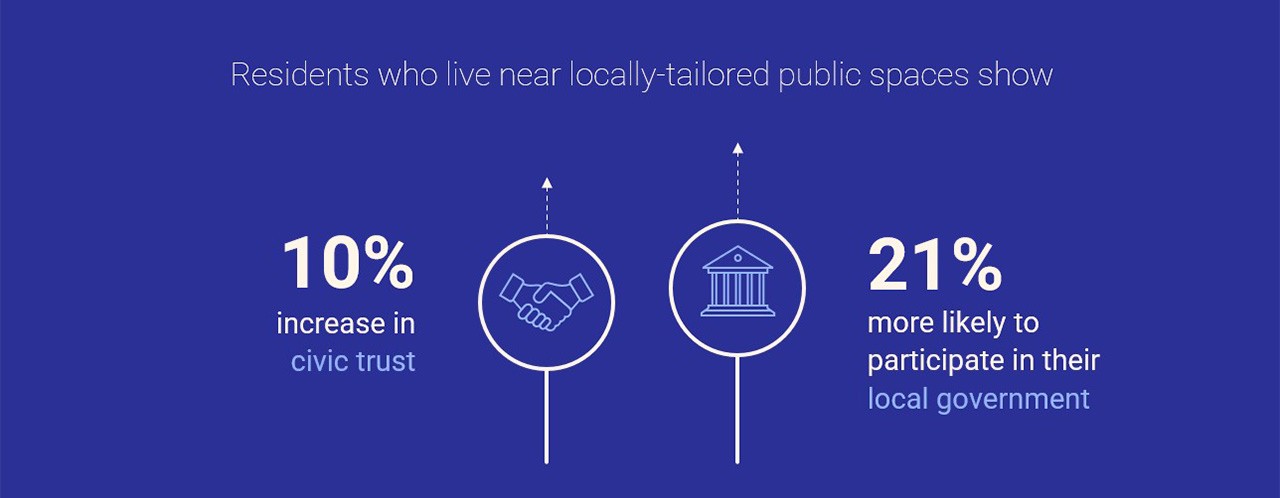
Civic facilities are moving away from traditional institutional design toward spaces that celebrate the uniqueness of the communities they serve. This shift reflects growing recognition that local identity is an important part of the civic experience. Designers are incorporating regional materials, public art, local storytelling, and other community-specific details to create a sense of welcome, belonging, and accessibility.
Trust is often strongest at the local level, and people form impressions quickly based on environmental cues. Design can assure people that their unique expectations and needs have been thoughtfully considered. When residents see their community reflected in public spaces, it strengthens civic pride, encourages participation, and fosters stronger connections between people and the organizations that serve them.
Community-Focused Design Supports Connection & Belonging
The traditional town hall is returning in a new form. Government facilities are evolving into mixed-use destinations that combine public services, gathering spaces, learning opportunities, and community resources.
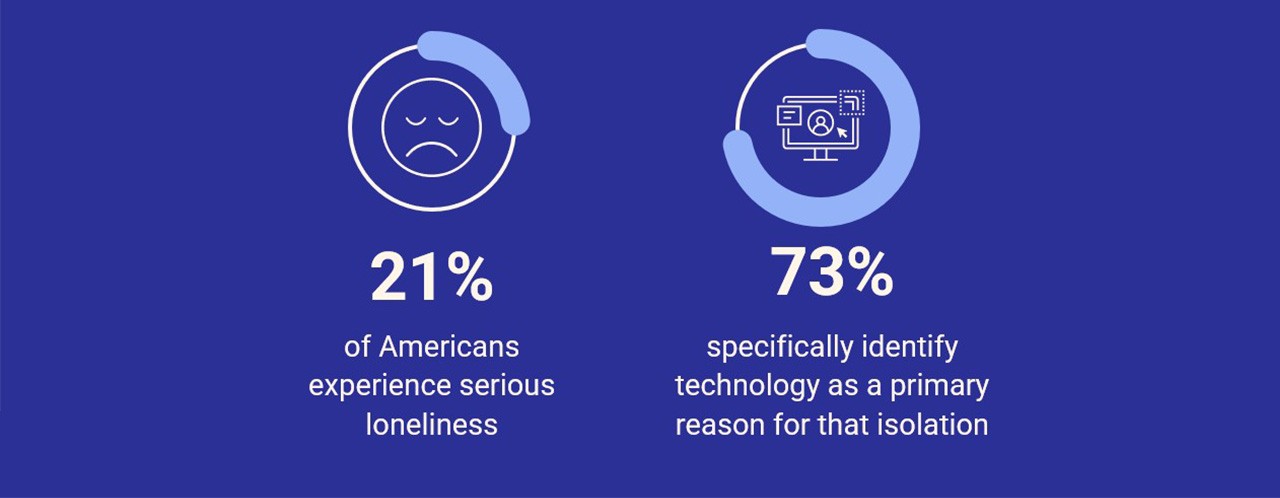
This transition responds to a growing need for personal connection. Research from Harvard found that 21% of Americans experience serious loneliness, while 73% identify technology as a primary contributor to that isolation. As more interactions move online, public spaces are taking on greater importance as places where people can gather, engage, and build relationships.
Government facilities can become platforms for community resilience. Oftentimes, a single public space now carries responsibilities previously fulfilled by multiple civic institutions, creating a community hub where residents can access resources, participate in civic life, and strengthen social ties.
Libraries, gathering spaces, outdoor plazas, cafés, and flexible event areas can help transform civic buildings from places people come and go to places they come and stay. In doing so, they help make government more visible, accessible, and connected to everyday community life.
Technology Enhances Service Access
Technology advancements continue to change how residents interact with government services. Digital platforms, self-service kiosks, touchless tools, and improved wayfinding help simplify routine tasks and increase efficiency. But technology alone does not build trust. Trust depends on convenience and security. Governments must balance efficiency, privacy, and empathy.
Residents increasingly compare government services with the seamless experiences they receive from banks, retailers, and technology companies. As a result, improving the citizen experience has become a strategic priority, with 70% of government CIOs investing in citizen experience as a primary business outcome.
The goal is not to replace person-to-person interaction but to enhance it. Technology removes friction while people provide empathy. Digital tools can handle routine transactions so employees can focus on personalized support and meaningful problem-solving. Designing with this understanding of how technology fits into the environment improves the experience for both employees and citizens. Clear wayfinding, private areas for sensitive conversations, intuitive service points, and accessible support can help digital tools feel seamless rather than overwhelming.
Humanizing Civic Spaces
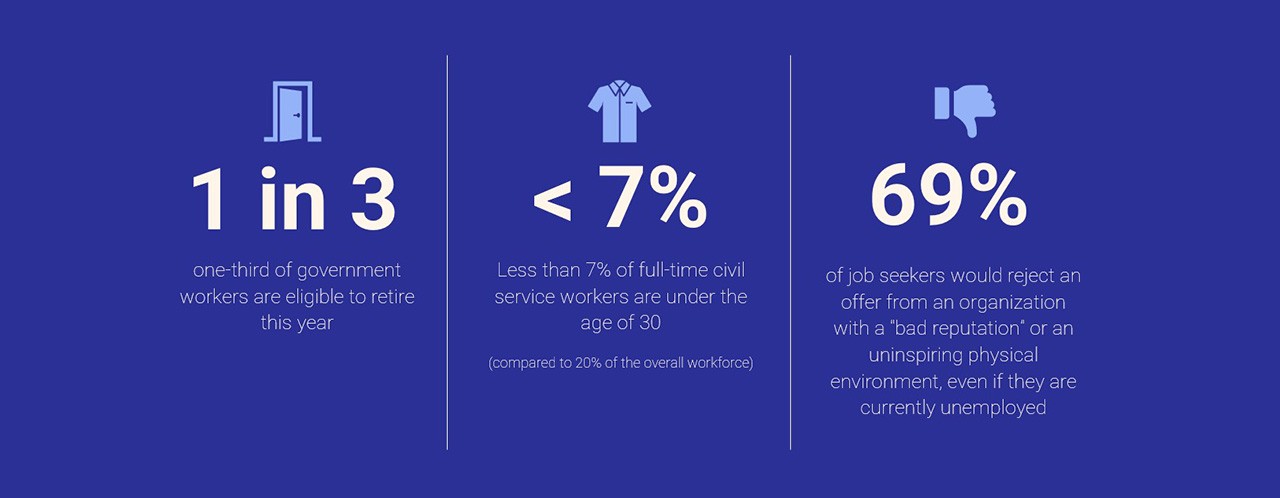
Many civic organizations are forgoing traditional workplace designs in favor of more diverse settings that support different workstyles and activities throughout the day. As retirements accelerate and competition for talent increases, employees increasingly expect flexibility, autonomy, choice, and environments that support their well-being. To head off private-sector employers who are investing heavily in the workplace experience, public-sector leaders are being challenged to do the same.
This shift matters because employee experience and citizen experience are closely connected. The quality of public service is often influenced by the quality of the workplace environment supporting the people who deliver that service. Better environments help employees feel supported, engaged, and equipped to serve their communities effectively.
Access to natural light, collaborative settings, quiet focus spaces, flexibility, and biophilic elements can help create workplaces that support employee well-being and resilience, leading to better service outcomes for citizens.
Fostering Learning & Upskilling
Rapid advances in technology, including AI, are accelerating the need for continuous learning and workforce development. In response, civic facilities are expanding their role by becoming centers for education, training, mentorship, and professional growth. Many government buildings are being designed to accommodate a variety of learning experiences, from workforce development programs and leadership training to community workshops and digital literacy initiatives.
Flexible spaces that can adapt for multiple uses throughout the day help maximize the value of these environments. Learning is no longer confined to schools and universities. As communities adapt to new technologies and changing workforce requirements, civic facilities can provide access to the knowledge, skills, and resources people need to thrive. By supporting lifelong learning, these spaces contribute to stronger organizations and more resilient communities.
The Future of Civic Spaces
As communities continue to evolve, civic environments play an increasingly important role in daily life. Beyond service delivery, they can foster connection, strengthen trust, and create a greater sense of belonging to the communities they serve. Future-focused facilities should reflect the diverse communities they serve while creating experiences that feel welcoming, accessible, and personal.
The Future of Civic Spaces
Explore the State & Local Government Lookbook for insights, examples, and design strategies influencing the future of public spaces.