08/11/2026 • 4 min read
5 Trends Shaping the Future of Healthcare Environments
Bringing the human experience to the forefront
Healthcare continues to evolve in response to workforce challenges, changing patient expectations, and advances in technology. As these forces reshape care delivery, they are also influencing how healthcare environments are designed and experienced.
Emerging trends are reshaping healthcare by balancing efficiency with empathy. From supporting caregiver well-being to expanding access through community-based care, healthcare organizations are rethinking the role of the built environment in delivering positive outcomes for patients, providers, and communities.
Here are 5 trends that are changing healthcare environments:
Care Team Sanctuary Spaces
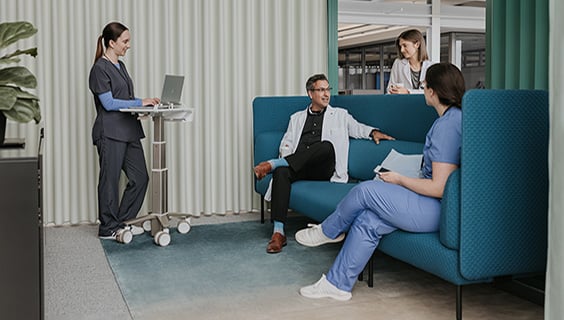
Healthcare workers face increasing demands on their time, attention, and energy. In response, many organizations are creating dedicated spaces that support clinician well-being and recovery. These spaces move beyond traditional breakrooms. They give caregivers a place to restore, recharge, and recover from the demands of clinical work.
Many staff sanctuaries incorporate natural light, acoustic separation, biophilic elements, comfortable furnishings, and hospitality-inspired amenities. Located away, but not far from patient care areas, these spaces create a physical and mental separation from the pace of the clinical environment.
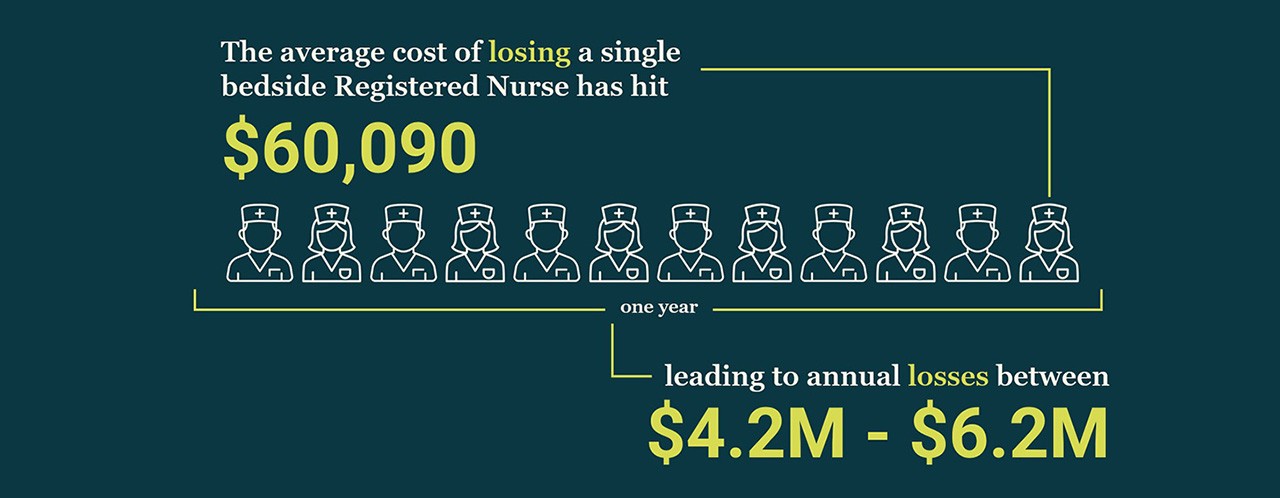
Designing for clinician well-being has become a financial necessity to combat the rising costs of healthcare turnover. These high-performance offstage recovery zones provide the essential sensory separation needed to reduce cognitive fatigue and mitigate chronic burnout. By investing in staff-centric spaces, health systems protect their most valuable asset while ensuring long-term operational stability.
Designing for Change with Modularity
Healthcare delivery is evolving rapidly. Facilities must adapt to new technologies, changing patient volumes, and emerging care models. As a result, modularity has become a key design strategy.
By utilizing standardized, prefabricated elements, healthcare systems can compress timelines by up to 30% on builds for everything from headwalls to entire surgical suites. This also ensures facilities can be reconfigured quickly to meet changing clinical demands.
In an industry where change is constant, modularity provides the functional agility required to keep pace with rapid clinical and technological advancements. This strategy future-proofs the physical environment, allowing hospitals to reconfigure spaces overnight to meet shifting patient demands.
The Data-Informed Patient
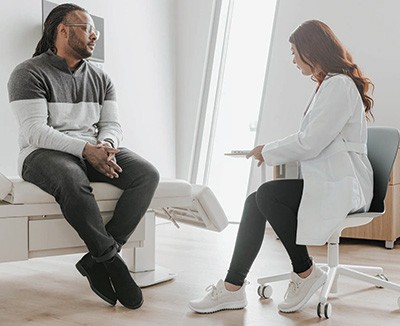
Patients today have more access to healthcare information than ever before. Digital health records, wearable technology, mobile apps, and remote monitoring tools provide greater visibility into personal health and wellness.
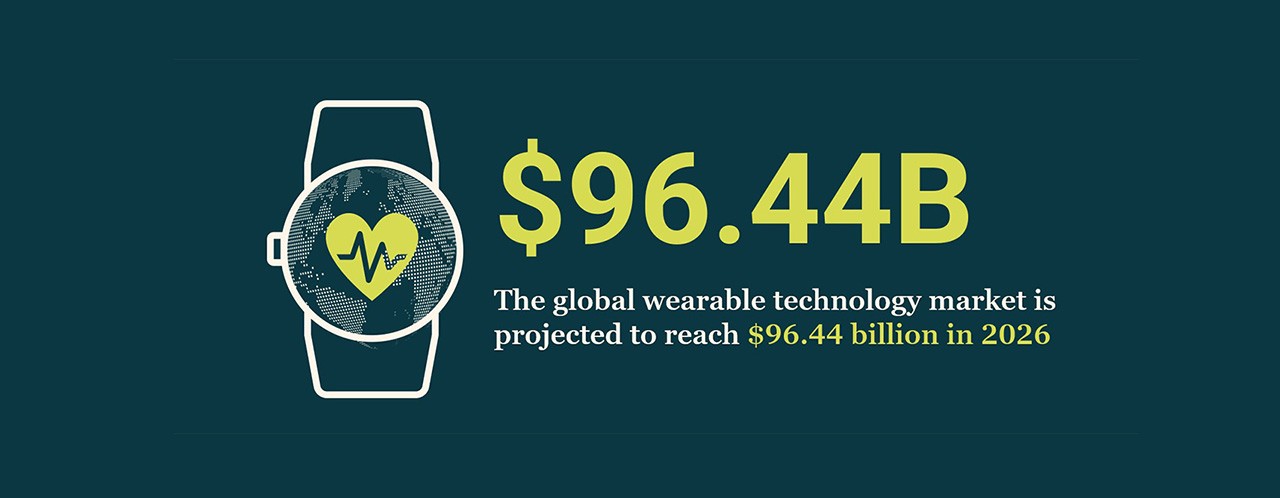
This shift empowers patients to take a more active role in their healthcare journeys. Many arrive at appointments with health data, research, and questions that help shape conversations with care providers.
Healthcare environments are evolving to support this new dynamic. Consultation spaces increasingly accommodate collaborative discussions, digital information sharing, and data visualization. Clear wayfinding, transparent processes, and accessible information can also help patients engage in their care and make more informed decisions.
The integration of ambient intelligence transforms the hospital room itself into a continuous, contactless diagnostic tool. This trend replaces invasive monitoring with "invisible" sensors that capture real-time clinical data without adding to patient or provider stress. Ultimately, it enables a proactive care model that identifies risks earlier while maintaining a more human-centric healing environment.
Download Our Health Design Guide Today
Every healthcare organization needs to care for its caregivers. Well-designed environments positively impact caregivers—as well as staff, patients, families, and communities. Our design guide includes key industry trends, healthcare applications, and product information.

The Rise of Local Outpatient Care
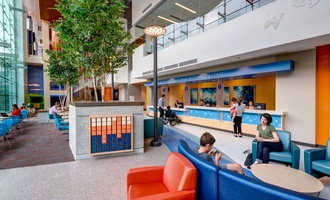
A growing network of outpatient facilities, neighborhood clinics, and community-based care settings is making healthcare more accessible. Rather than relying exclusively on centralized medical campuses, many health systems are bringing care closer to where people live and work
This shift is driven by patient demand for convenience, advances in medical technology, and a growing emphasis on preventative care. Smaller, distributed facilities bring local convenience, helping to connect healthcare services with the communities they serve.
Many of these environments borrow ideas from hospitality, retail, and community spaces. Welcoming entrances, intuitive navigation, flexible layouts, and consumer-focused experiences are redefining expectations for healthcare settings.
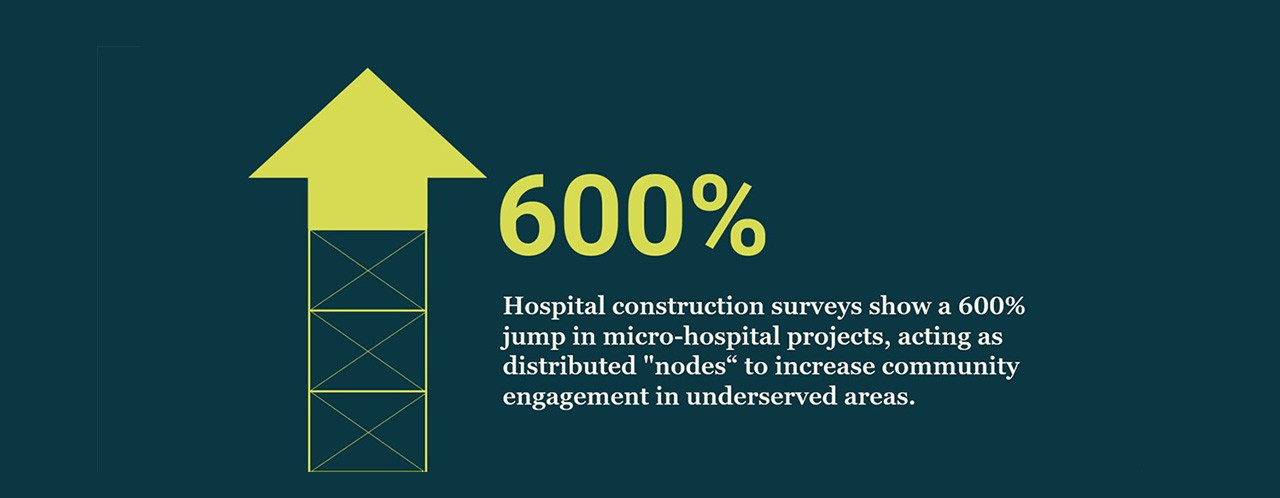
Distributed healthcare locations can reduce barriers to access by meeting patients closer to where they live and work. When clinical services are located alongside community resources such as retail and transit, health systems can better support connected, convenient, and relevant care.
Tech Efficiency to Maximize Care Time
Technology is a powerful tool for improving efficiency across healthcare environments. Artificial intelligence, automation, and advanced analytics are helping clinicians manage documentation, streamline workflows, and access information more quickly.
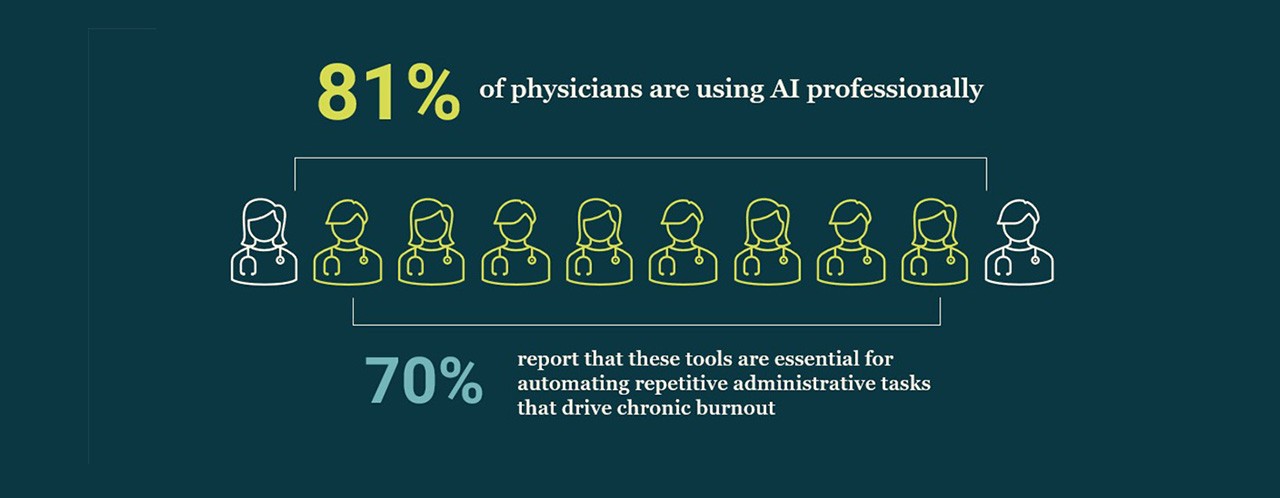
Health systems use these technologies to support, not replace, human interaction. By improving accuracy, speeding access to information, and simplifying routine tasks, technology gives healthcare professionals more time for empathy, critical thinking, and human connection. The most valuable technologies may be those that help caregivers spend less time behind screens and more time with people.
Looking Ahead
The future of healthcare is being increasingly shaped by the experience of the people who provide and receive care. Whether through restorative environments for caregivers, adaptable facilities, empowered patients, community-based access, or technology that supports human connection, these trends reflect a shared goal: creating healthcare environments that are more responsive, resilient, and people-centered.
Explore Haworth Health
Discover insights, resources, and furniture solutions that support patients, caregivers, community members, and staff while helping create exceptional healthcare environments.