06/05/2026 • 4 min read
6 Macro Shifts Redefining Work, Growth, and Well-Being
Emerging trends influencing resilience, retention, and everyday life
The forces shaping work today go well beyond the workplace. Economic uncertainty, evolving social expectations, and advances in technology are changing how people think about success, stability, and connection in everyday life.
The following 6 trends highlight the changes redefining work, growth, and well-being:
1. Collective Confidence
Trust is becoming a competitive advantage. A renewed focus on strengthening social trust, optimism, and well-being is emerging as a benefit to our economy and culture. As volatility increases, organizations recognize that strong relationships, reliability, and shared standards create resilience.
Organizations are shifting investment toward community, collaboration, and long-term value creation—both internally with employees and externally. Rather than optimizing solely for short-term performance, they are prioritizing consistency, credibility, and positive outcomes where multiple stakeholders benefit.
In this environment, trust and optimism are becoming practical assets that support sustained engagement, loyalty, and growth.
2. Re-Centering Nature
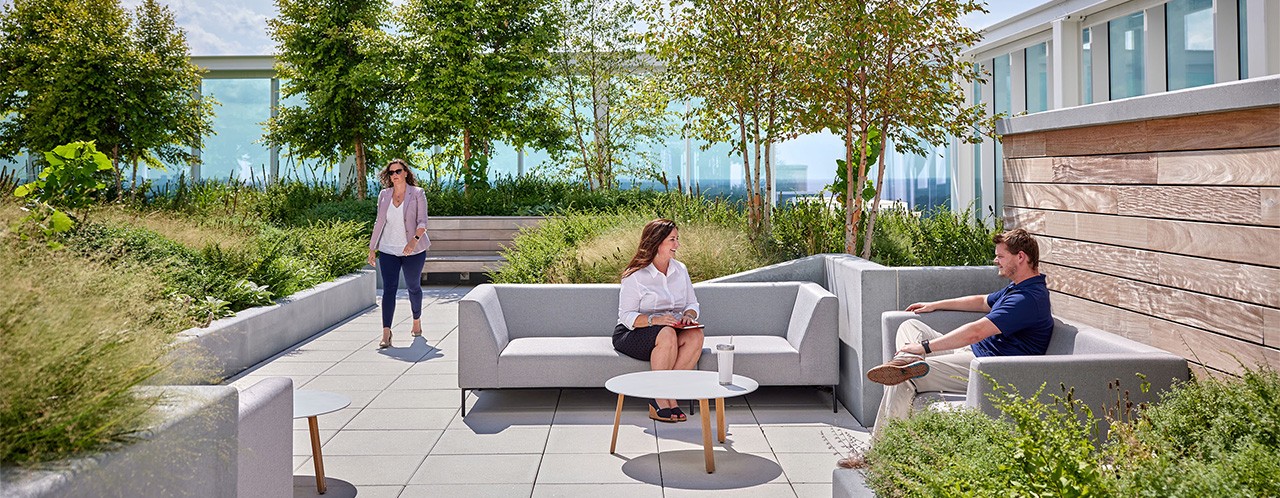
Climate impacts are becoming part of everyday life. Nature is no longer a distant environmental concern, and organizations and communities now see it as essential.
As more people experience the effects of climate change directly—through extreme weather, property risk, and disruptions to daily life—conversations about sustainability are expanding beyond emissions and efficiency to include conservation, restoration, and resilience.
Leaders are recognizing nature not only as something to protect, but also as a way to support well-being, and strengthen communities. This shift is influencing how organizations approach urban development, land use, and public spaces, as well as how brands engage with nature’s therapeutic and preventive value.
Environmental responsibility is moving closer to lived experience, reframing nature as a partner in long-term security, health, and adaptability rather than a passive backdrop.
3. Longevity Economy
The longevity economy reflects a broad cultural and economic shift toward making things last longer—our bodies, careers, products, relationships, and systems alike. As burnout, waste, and volatility rise, individuals and organizations are moving away from speed, novelty, and constant reinvention toward durability, maintenance, and long-term payoff.
They are investing in healthspan over quick fixes and shaping careers designed to evolve over decades rather than peak early.
Organizations are rethinking products, infrastructure, and business models to prioritize repair, resilience, and sustained usefulness over disposability. Across industries, success is no longer defined by how fast something launches, but by how well it endures, adapts, and continues to deliver meaningful value over time.
4. Job Hugging
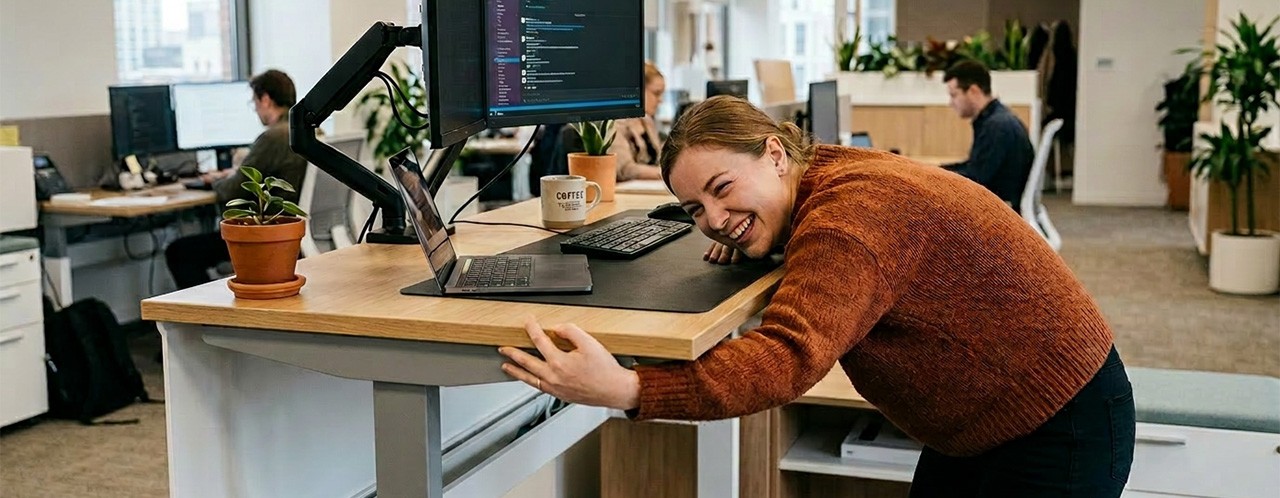
In contrast to the Great Resignation, a growing number of workers are choosing to “hug” their jobs. Prioritizing stability, benefits, and predictability over risk, frequent movement, and constant reinvention. Amid economic uncertainty, layoffs, and widespread burnout, staying put has become a rational, strategic choice rather than a sign of complacency.
Employees are placing greater value on reliable income, healthcare, flexibility, and institutional knowledge, while reassessing the emotional and financial costs of job hopping.
For organizations, retention is replacing churn as the primary challenge and opportunity, signaling a shift toward supporting long-term careers through growth pathways, skill development, and trust. Job hugging reflects a broader recalibration of work, where security and stability outweigh the pressures of perpetual change.

5. Low-Key Downtime
A deliberate embrace of low-stimulation, unscheduled time after work is becoming a necessary form of recovery. In response to constant notifications, packed schedules, and being “always-on”, people are embracing boredom, rest, and doing nothing.
Many are adopting micro-shifting—small, intentional transitions between work and rest that reduce cognitive overload without requiring dramatic lifestyle changes—to reclaim mental space at the end of the day.
By pushing back on the idea that every hour must be optimized or productive, individuals and organizations are recognizing that renewal often comes from doing less, not more. Low-stimulation recovery supports deeper thinking, emotional regulation, creativity, and long-term resilience.
6. AI: Promise, Peril, & Progress
Artificial intelligence is introducing a growing duality in everyday work. The promise lies in AI workmates—tools people use to boost productivity, automate routine tasks, and accelerate creative and strategic output.
The peril emerges as “workslop,” where overreliance on AI produces unchecked, low-quality content that lacks proper review, refinement, or synthesis for accuracy and relevance. In response, people and organizations are placing greater emphasis on discernment, craftsmanship, and meaningful output over sheer volume.
At the same time, companies are driving progress through significant investment in AI programs, infrastructure, and dedicated budgets to build capabilities responsibly, remain competitive, and future-proof their workforces for an AI-accelerated world.
Learn More About Design Signals from Milan
Explore key themes from Cappellini “Carnet de Voyage”: Global Design Signals from Milan Design Week.