04/28/2026 • 4 min read
Cappellini “Carnet de Voyage”: Global Design Signals from Milan Design Week
Global storytelling, tactility, and modular thinking shaping design
Milan Design Week is a key showcase for emerging directions in design, bringing together brands and designers from around the world. At the 2026 event, Cappellini’s showroom installation, Carnet de Voyage, reflected those directions through cross‑cultural references, offering insight into how spaces are shaped by experience and use.
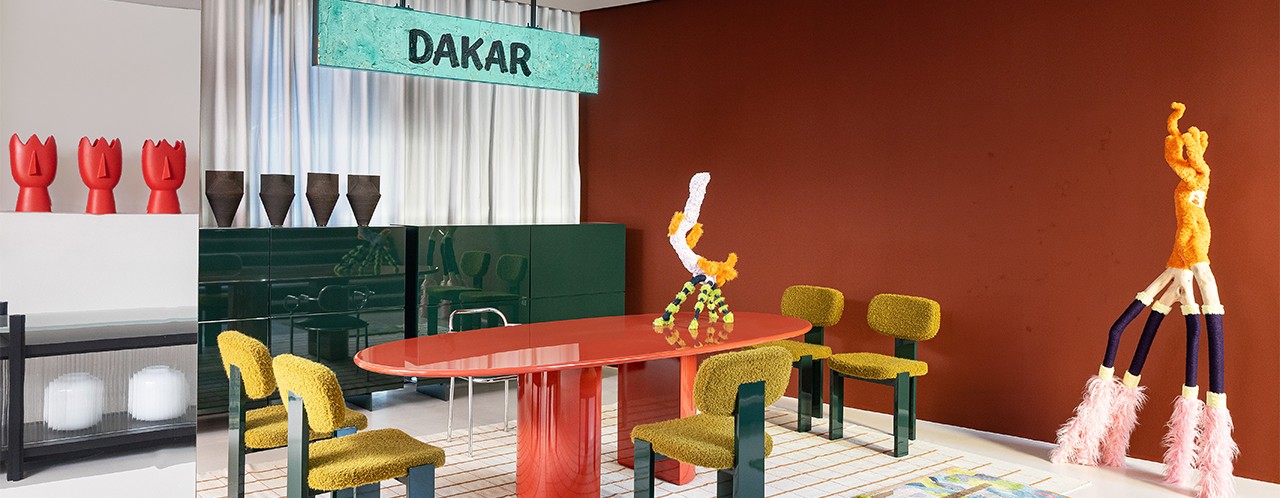
The Cappellini showroom was organized as a geographic journey through Milan, New York, Dakar, and Tokyo. Each area expressed a distinct cultural mood through music, materials, color, and form, highlighting Cappellini’s eclectic identity. The layout reinforced the brand’s role as a global talent scout, mixing iconic pieces with work by emerging designers to celebrate cross-cultural exchange, experimentation, and openness in contemporary design.
Global Scenography as Editorial
In Carnet de Voyage, the showroom became a narrative instrument. Geography structured the experience, with each “destination” treated as a mood—expressed through sound, palettes, textures, and silhouettes. This approach moved beyond product display, positioning design as a form of cultural exchange and storytelling.
Tactile Contrast & Surfaces That Invite Touch
A clear signal emerged around tactile finishes, with cement-like textures set against glossy materials. This shift goes beyond material experimentation toward sensory specification, where touch and texture became part of performance and perceived value.
Indoor–Outdoor Versatility with Fewer Boundaries
Pieces designed to function both indoors and outdoors reflected a practical desire for continuity across transition areas. For hospitality and workplace environments in particular, flexible objects enable a single design language to move fluidly from lounge to terrace to other in-between areas.
Statement Storage with Narrative Presence
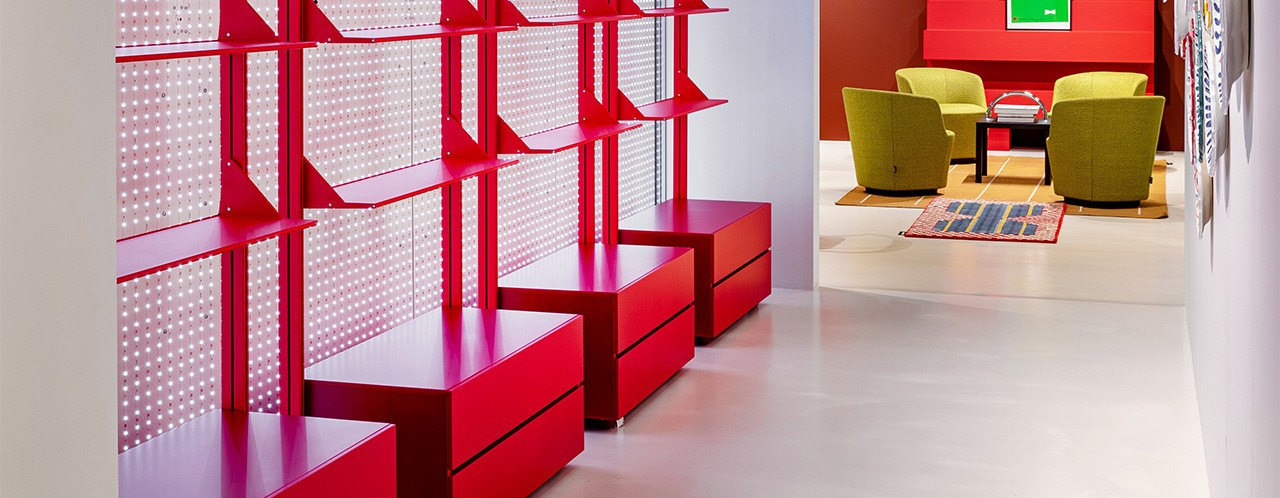
Storage emerged as a primary design element. Cabinets and containers were framed as sculptural anchors with references to design history—objects that conveyed identity as much as they provided function.
Residential Comfort Shaping Built Environments
Softness and hospitality cues continued to migrate into built environments, paired with a renewed emphasis on clarity. Scaled formats, specification-friendly thinking, and material performance deliver comfort and warmth without sacrificing performance or durability.
Heritage Refresh with Icons as Living Assets
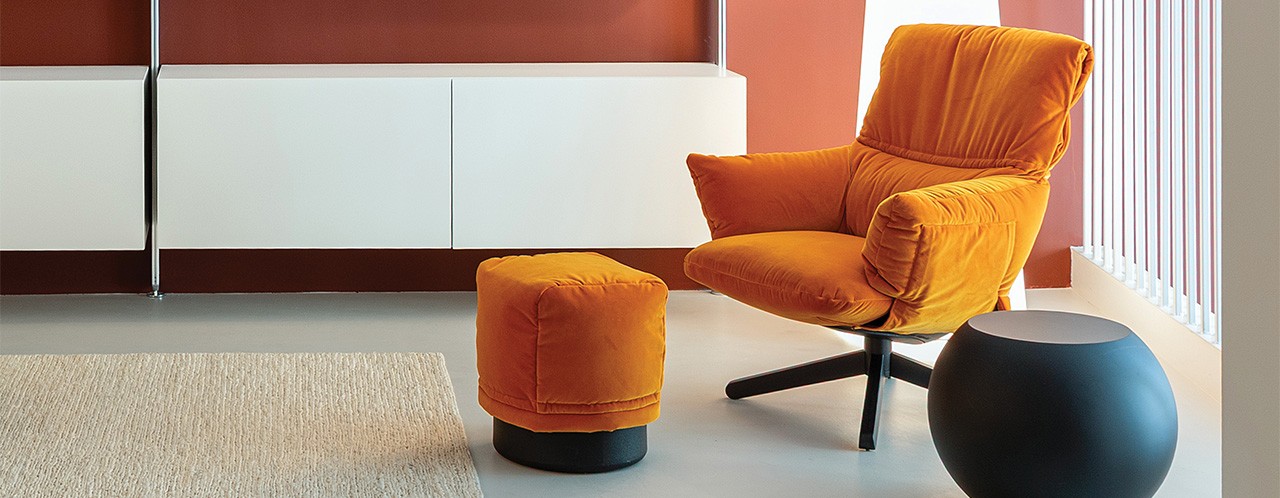
Carnet de Voyage reinforced a contemporary reality: heritage and innovation were not opposites. Iconic designs were continually reintroduced through new color stories, updated finishes, and fresh staging—keeping the archive both economically and culturally relevant.
Layered Rugs & Mood‑Shifting Surfaces
The layered rug approach—combining a base carpet with a smaller patterned layer—mirrors how interiors were being designed: additive, flexible, and personal. This strategy allows for seasonal refreshes and supported zoning without hard partitions.
Modular Shelving with Maximum Adaptability
Modular shelving systems signal a mature approach to flexibility. Configurable dimensions, freestanding potential, and long-term performance allow systems to respond to evolving needs. In this context, adaptability emerges as a form of sustainability—design that remains relevant, because it can be reassembled and reconfigured over time.
Taken together, Carnet de Voyage offered a clear perspective on how global culture, sensory engagement, and flexible thinking are shaping contemporary interiors.
Explore Cappellini
The brand is known for instantly recognizable designs where quality and craftsmanship lead the way—from each distinctive design profile to how every piece is made.