05/12/2026 • 5 min read
Healthcare Interior Design for Children's Hospitals
Create spaces that support patients, families, and staff
For kids and teens in a children's hospital, spaces that maximize design creativity can provide a sense of comfort and safety—balancing medical care with emotional and developmental needs. Designs that succeed in this endeavor deliver highly experiential environments that center on the entire family, supporting everyone through the uncertainties associated with medical care. Bright natural light, familiar and interactive environments, and flexible layouts support patients across age groups—while materials, airflow strategies, and layouts designed for infection-control quietly protect everyone who enters these spaces.
Importantly, these environments are increasingly designed to support caregivers as people, not just accommodate them—recognizing mental health and well‑being as essential to care itself.
When pediatric environments are designed to imagine possibilities as much as provide safety, the space itself becomes part of the care team.
Rod Vickroy
Design Is the Differentiator
In children’s hospitals, design plays a unique role. Beyond supporting complex care, the environment helps shape how children, families, and caregivers experience unfamiliar and often stressful moments. Creative design helps spaces feel welcoming, engaging, and human.
Through thoughtful use of color, form, light, and storytelling, children’s hospitals can create environments that distract, delight, and gently reduce anxiety. Spaces designed with imagination invite curiosity and interaction, helping children engage with their surroundings in ways that feel comforting rather than clinical. When environments feel approachable and engaging, they can help create a sense of comfort and familiarity before care even begins.
Across newer pediatric facilities and globally recognized institutions such as the Hospital for Sick Children, creative design demonstrates how experience and clinical excellence work together to shape spaces that support care while honoring childhood itself.
At the same time, safety remains fundamental. Controlled access points, ligature‑resistant fixtures, shatter‑resistant materials, and rigorous infection‑control strategies are essential considerations in pediatric settings.
What sets leading children’s hospitals apart is how seamlessly these priorities are integrated. Safety measures and specialized materials are embedded rather than emphasized, allowing creativity and experience to take the lead. The result is an environment that balances protection with possibility—supporting children, reassuring families, and enabling care teams to do their best work.
Experience Is Everything
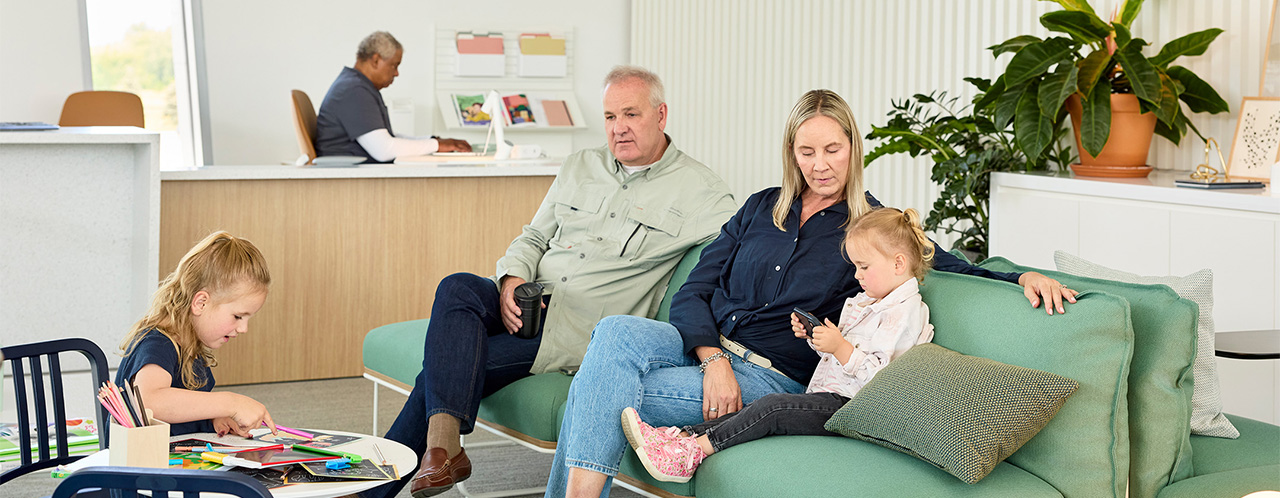
For children and families, healthcare is experienced over time, in a series of impactful and intentional moments. Arrival, waiting, treatment, rest, and recovery are all shaped by the environment that surrounds them.
Patient rooms that comfortably accommodate overnight stays for visitors, spaces that allow families to gather and recharge, and environments that feel familiar rather than clinical all support emotional resilience. When design aligns with how families truly use a space, it creates continuity, comfort, and a sense of dignity during unpredictable journeys.
This experience‑driven approach also supports clinicians—reducing stress, improving focus, and allowing care teams to work more effectively within spaces designed around real behaviors and needs.
Distract and Delight
Distraction is a powerful tool in pediatric care. Areas immersed in visual, textural, sound and opportunities for physical engagement use the power of design to connect with children taking their imagination or immediate reality to a delightful place. Access to daylight, views of nature, playful artwork, and interactive elements help shift focus away from fear and toward curiosity or calm.
Many children’s hospitals are also rethinking how and where clinical procedures take place. By creating designated, purpose‑built spaces for treatment, and treating patient rooms as restorative “no pain zones,” design supports emotional comfort while reinforcing a sense of safety and control.
Sensory as a Strategy
Sensory experience plays a critical role in pediatric environments, particularly for neurodivergent patients and families. Excess noise, harsh lighting, or visual clutter can heighten stress and fatigue—for everyone.
Incorporating sound‑absorbing materials, adjustable lighting, calming color palettes, and predictable spatial organization helps create environments that feel intuitive and supportive. When sensory considerations are addressed early in the design process, they benefit not only patients, but caregivers and staff navigating long, emotionally demanding days.
Range of Ages = Range of Spaces
Children’s hospitals must support a wide spectrum of developmental needs—from infants who need the closeness of caregivers to adolescents who value independence.
Because younger children need security and family-centered environments, while older children seek greater autonomy and social connection, flexible, reconfigurable spaces allow environments to adapt to different age groups. These spaces can also evolve alongside medical technology, care models, and shifting patient acuity. Designing for adaptability ensures hospitals remain resilient—ready to support both today’s needs and tomorrow’s unknowns.
Operational flexibility is equally important. Reconfigurable spaces allow children’s hospitals to respond to advancing technology, evolving care models, high‑acuity needs, and unexpected surges in patient volume—supporting resilience without compromising comfort or care quality across patient populations.
Supporting Families and Communities
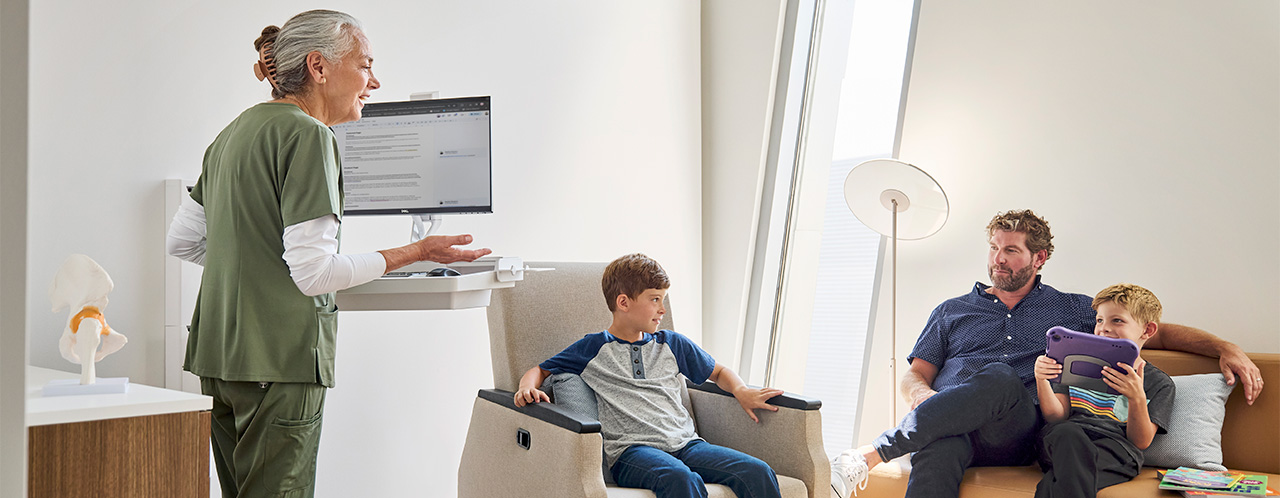
Families are essential partners in pediatric care. Design plays a critical role in supporting their well‑being through spaces that allow rest, connection, and moments of reprieve.
Overnight accommodations, access to outdoor environments, and thoughtfully designed communal areas communicate that caregivers are not just accommodated, they are supported. Extending this mindset beyond hospital walls, community‑based spaces further reinforce a continuum of care that recognizes healing as both clinical and human.
Research Makes a Difference
Behind the most effective children’s hospitals is a commitment to evidence based design. Research continues to show that environments designed around human behavior and well being can improve experience, efficiency, and outcomes for patients and care teams alike.
Leading pediatric systems—including organizations like Cincinnati Children’s Hospital—continue to demonstrate how research informed environments can support both experience and outcomes. By grounding design decisions in research and collaborating closely with healthcare providers, pediatric environments evolve in ways that meaningfully support healing, resilience, and trust.
Designing for What Matters Most
Children’s hospitals carry extraordinary emotional responsibility. In moments defined by vulnerability and hope, the built environment has the power to either add stress—or quietly ease it.
When design supports safety, sensory comfort, adaptability, and family connection, it becomes more than infrastructure. It becomes an extension of care that lets children be children, helps families feel supported, and empowers caregivers to focus on what matters most.
Explore Haworth Health
Discover insights, tools, and design resources that help create adaptable spaces for patients, caregivers, and communities.