10/20/2026 • 3 min read
5 Design Inspirations for 2027
Macro moments in time shape the look and feel of design
Design trends reflect what people value and what they want from the spaces around them. As priorities, behaviors, and expectations evolve, new ideas emerge that influence the look and feel of design.
Here are 5 emerging design inspirations for 2027:
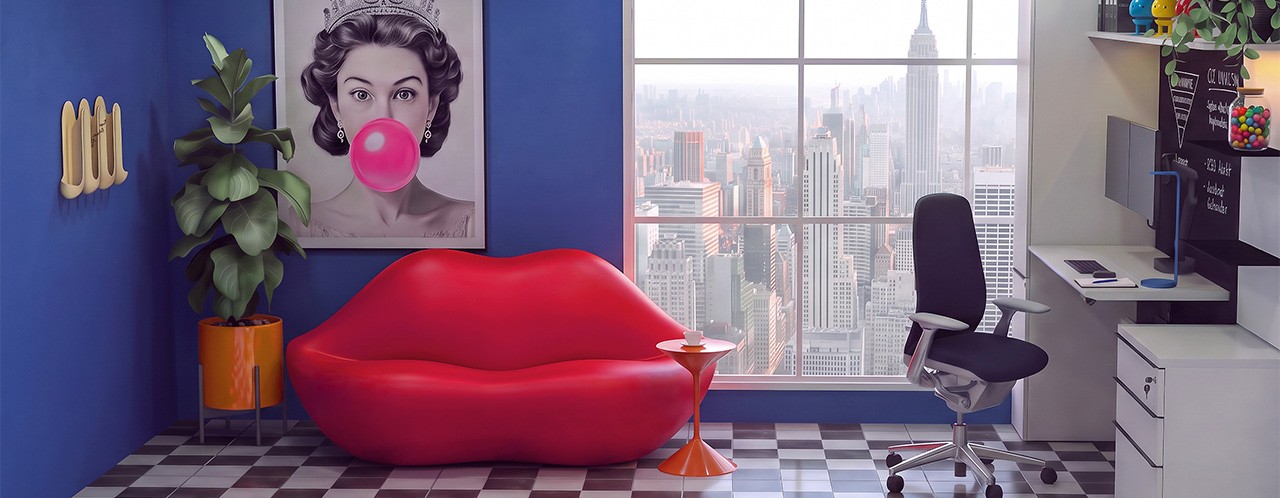
1. Cheeky Wit
In a world marked by global uncertainty, information overload, constant change, and overwhelming headlines, humor is becoming an essential coping mechanism. As people navigate complexity and the seriousness of current events, they are increasingly seeking moments of levity, emotional release, and optimism. Humor helps people process challenging realities, connect with others, and push back against the weight of everyday life, turning laughter into a form of resilience and well-being.
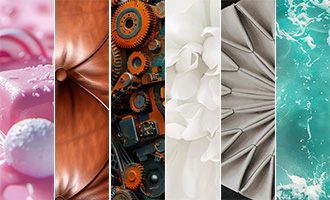
Cheeky Wit embraces the power of play by transforming spaces into sources of surprise, delight, and conversation. Designers are challenging conventions through unexpected themes, bold color palettes, exaggerated forms, quirky installations, surreal imagery, and unconventional combinations that spark curiosity. Whimsical objects, playful messaging, and over-the-top creative choices blur the line between art and entertainment, inviting people to interact, connect, and find moments of joy.
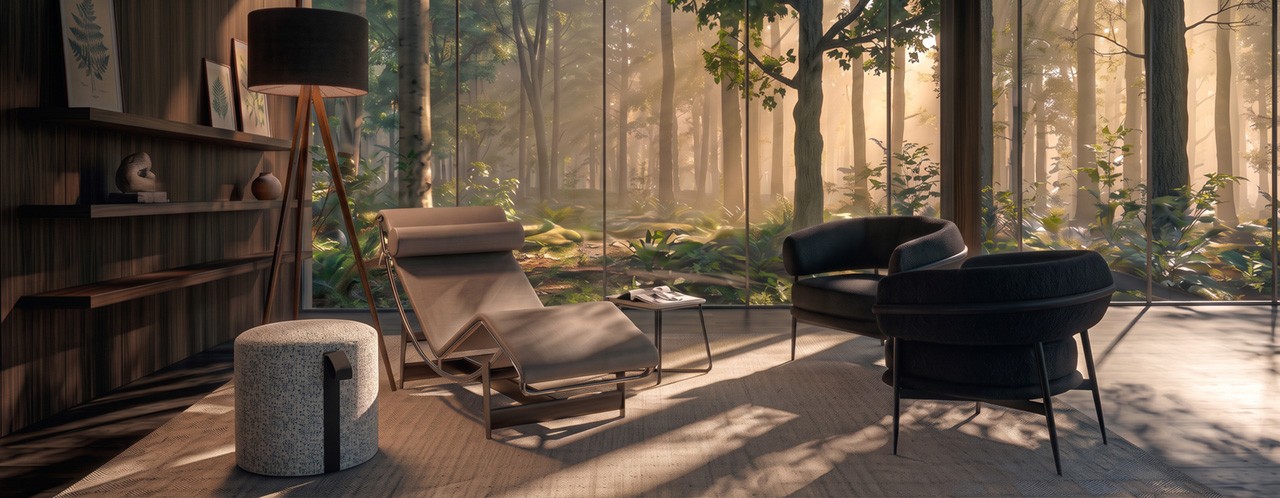
2. Contrast
Driven by a craving for depth, emotion, and tangible human touch in a world saturated with AI, polarized viewpoints, and competing ideas, design is embracing contrast as both a visual language and a source of inspiration. As people seek ways to navigate complexity and create meaning, the tension between opposites is influencing everything from culture and fashion to architecture and interiors. This trend reflects a growing appreciation for balance between light and dark, bold and subtle, presence and absence. Rather than avoiding contrast, designers are using it intentionally to reintroduce depth, mystery, and atmosphere.
The interplay of light and shadow is becoming a defining element of design, transforming spaces into immersive experiences. Inspired by the dramatic contrast of chiaroscuro, designers are using natural daylight, sculptural lighting, architectural forms, textured materials, and layered patterns to create a grounded sense of depth and emotional connection. From shifting daylight and dappled effects to bold silhouettes, linear shadows, and surfaces that reflect or absorb light, this approach elevates the sensory experience of a space. With less reliance on color, the focus turns to form, texture, craftsmanship, and contrast, creating environments that feel sophisticated, dynamic, and deeply atmospheric while demonstrating the powerful influence light can have on how we perceive and experience design.
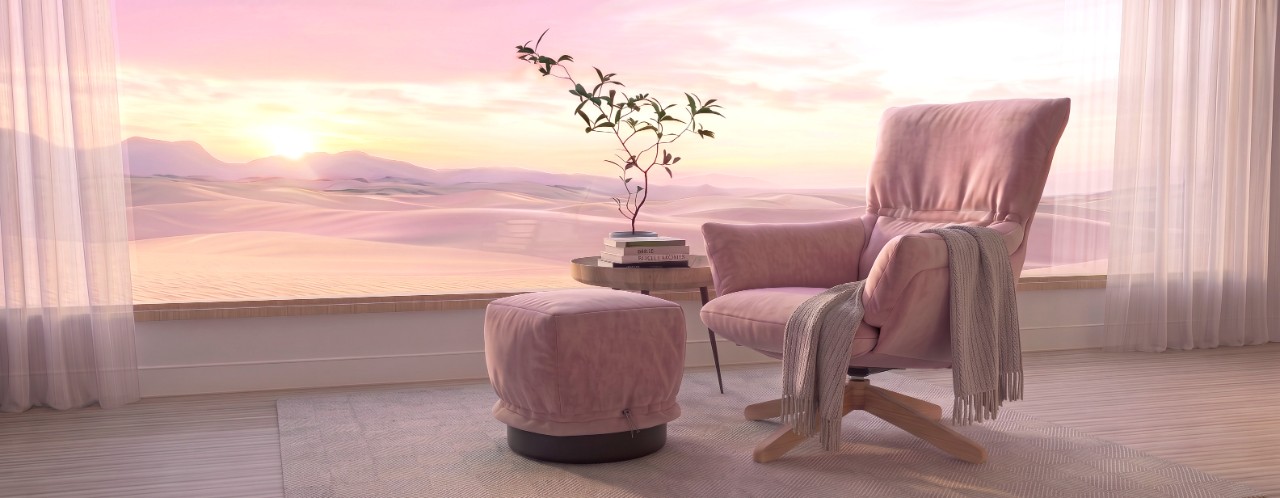
3. Reverie
As our lives become increasingly connected, stimulated, and fast-paced, the need for comfort, balance, and emotional restoration continues to grow. Constant notifications, digital overload, shifting expectations, and the pace of modern life have created a desire for moments of pause and reflection. In response, people are seeking experiences and environments that offer calm, privacy, and a gentle escape. This growing emphasis on well-being, mindfulness, and creating space to recharge is making softness, warmth, and emotional comfort more valuable than ever.
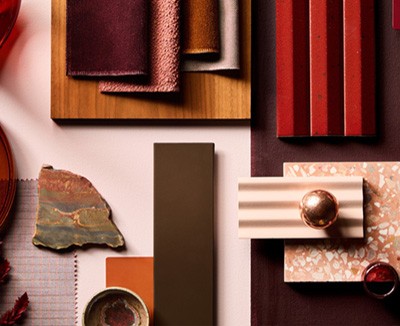
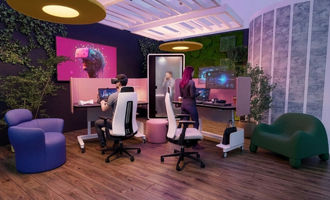
Reverie translates this desire for restoration into environments that feel nurturing and restorative. Colors in warm rosy clay hues, soft textures, rounded forms, and layered materials create spaces that soothe the senses and support well-being across workplaces, hospitality settings, and public spaces. Cozy retreats, enveloping furniture, acoustic solutions, tactile surfaces, and sun-washed palettes encourage focus, reflection, and ease. Inspired by the warmth of the earth and the optimism of rosy tones, this trend offers a gentle escape from sensory overload while supporting meaningful moments of restoration throughout the day.
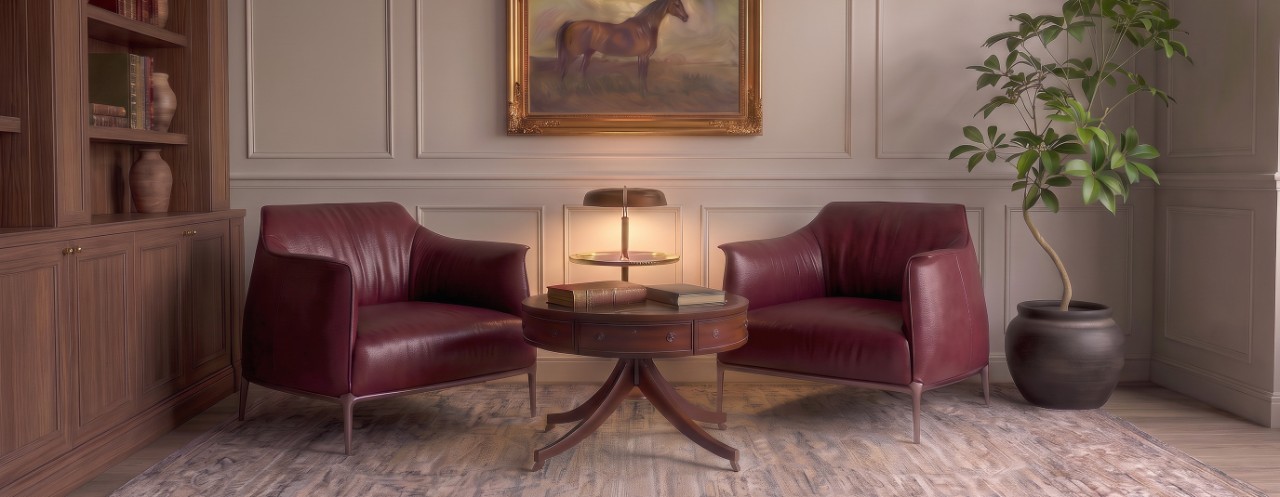
4. New Heritage
With rapid technological change, fast-moving trends, and an endless cycle of upgrades, people are seeking a deeper sense of permanence and connection. As products become increasingly standardized and disposable, appreciation is growing for authenticity, craftsmanship, and objects that carry stories. This shift reflects a desire to invest in quality over quantity and surround ourselves with pieces that hold lasting meaning and stand the test of time.
New Heritage celebrates the timeless appeal of craftsmanship, heritage, longevity, and enduring quality. Inspired by traditional design principles and makers who have perfected their crafts over time, this trend embraces rich materials, thoughtful details, and classic forms that communicate authenticity and permanence. It also encourages incorporating personal heirlooms and collected pieces that bring history and stories with them. Aged leather, stone, artisanal textiles, hand-finished surfaces, and timeless silhouettes create environments that feel grounded and personal. Historical influences are reinterpreted for modern spaces, resulting in designs that honor the past while remaining relevant for the future. More than an aesthetic, this trend reflects a belief that well-crafted products should improve with age and be valued for decades rather than replaced by the next trend.
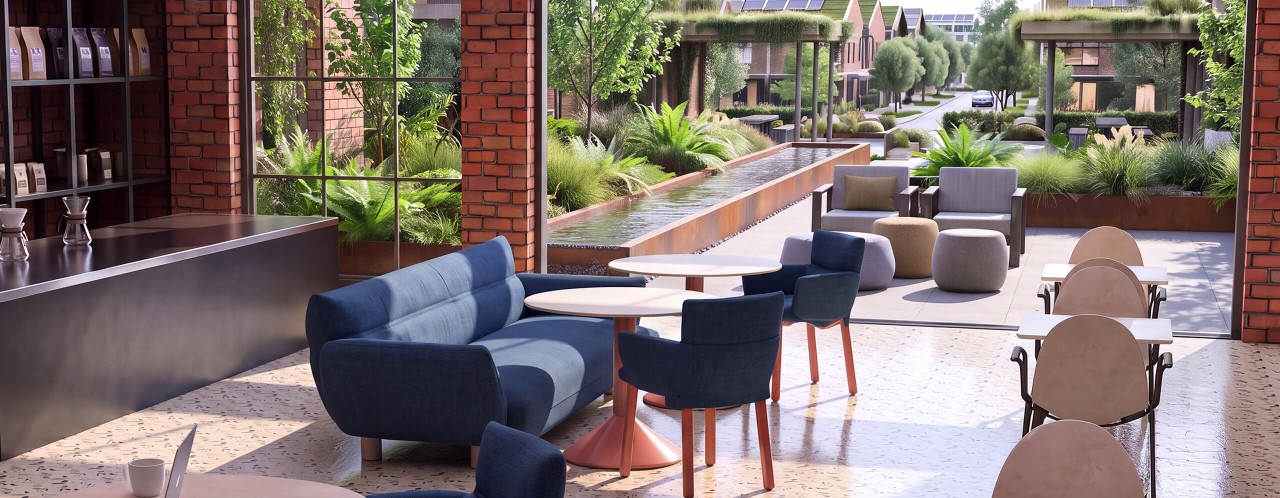
5. Regenerative
As environmental issues become more visible and immediate, people are rethinking responsibility in design. Resource scarcity and concern for future generations are driving a shift from minimizing harm to creating positive impact. Consumers, businesses, and designers are seeking solutions for measurable action, accountability, and long-term thinking. Increasingly, success is defined not by what we consume, but by what we restore, reuse, renew, and preserve.
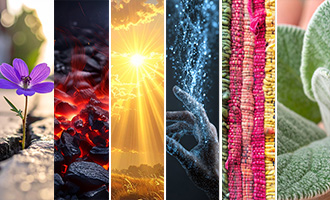
Regenerative design challenges designers to think beyond a product's first life. By designing for renewal, circularity, and long-term value, spaces become meaningful contributors to a more resilient future. Examples include using captured rainwater to create waterspouts for children to play in, ponds that support aquatic habitats, or irrigation for plants and trees in city parks, developing closed-loop manufacturing processes, repairing and reusing products, and selecting biobased or recycled materials. Together, these approaches support a more responsible view of the full product life cycle.
More Design Inspiration
Discover more ideas and insights shaping the future of design.