Alder Coffee Table

Mater

By Patricia Urquiola

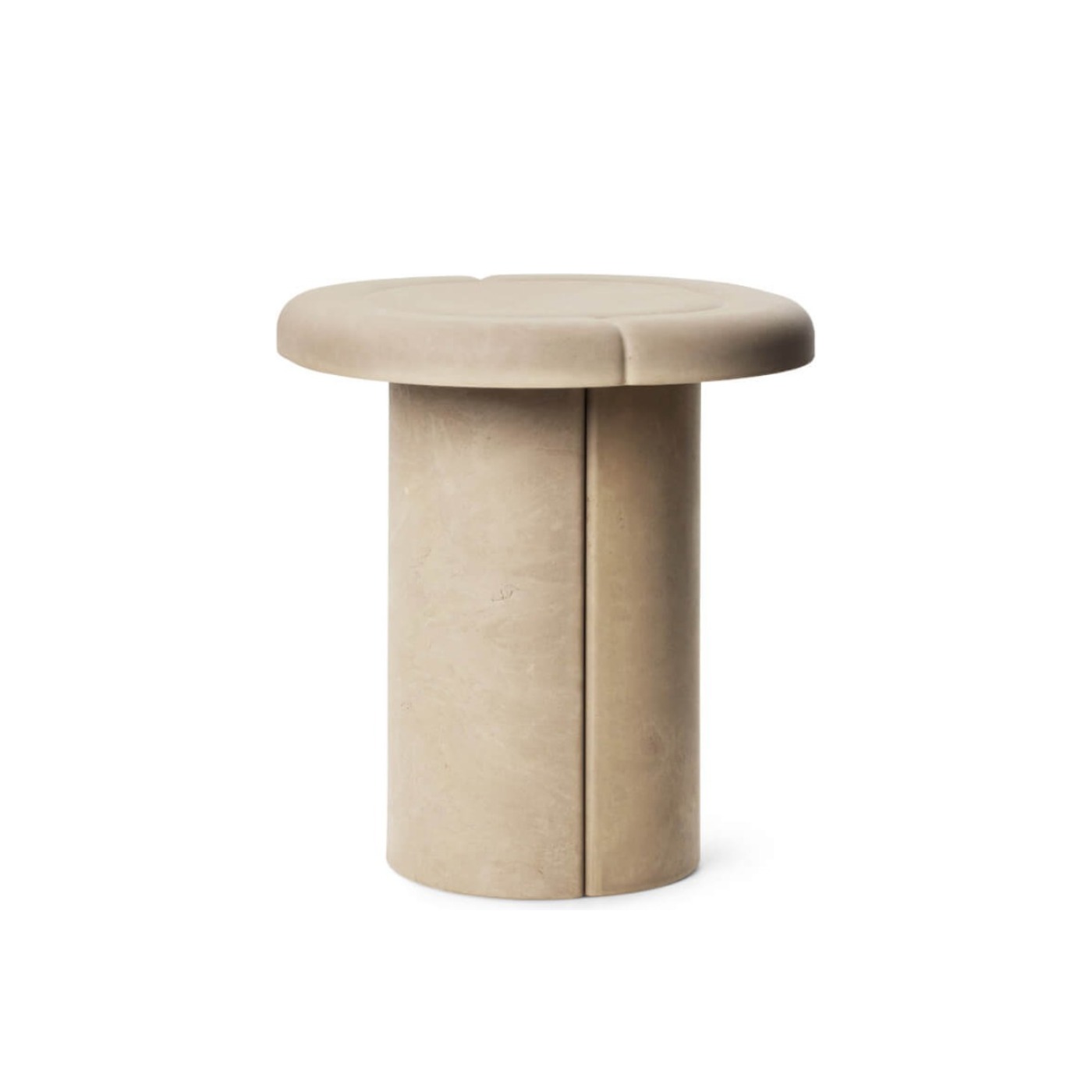
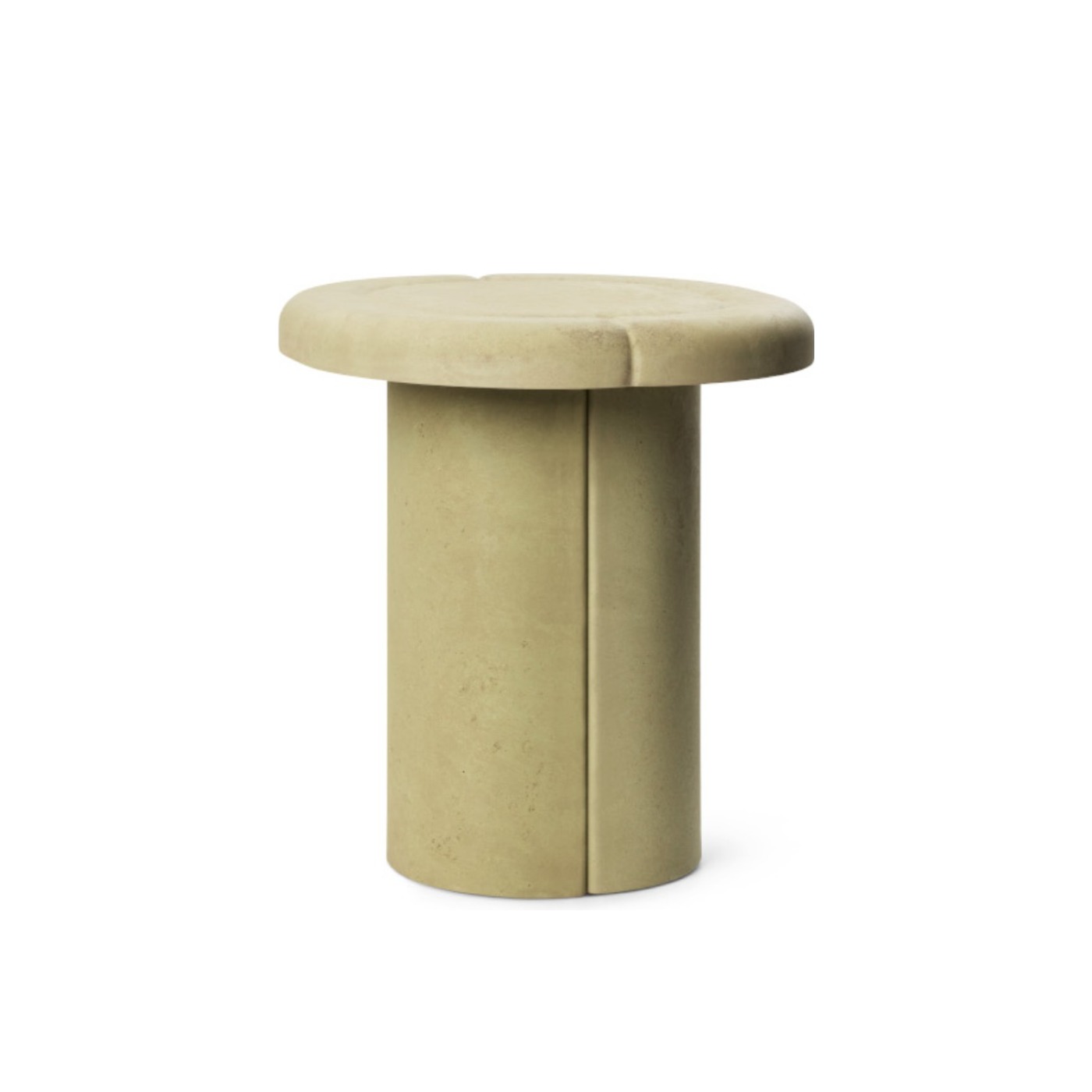
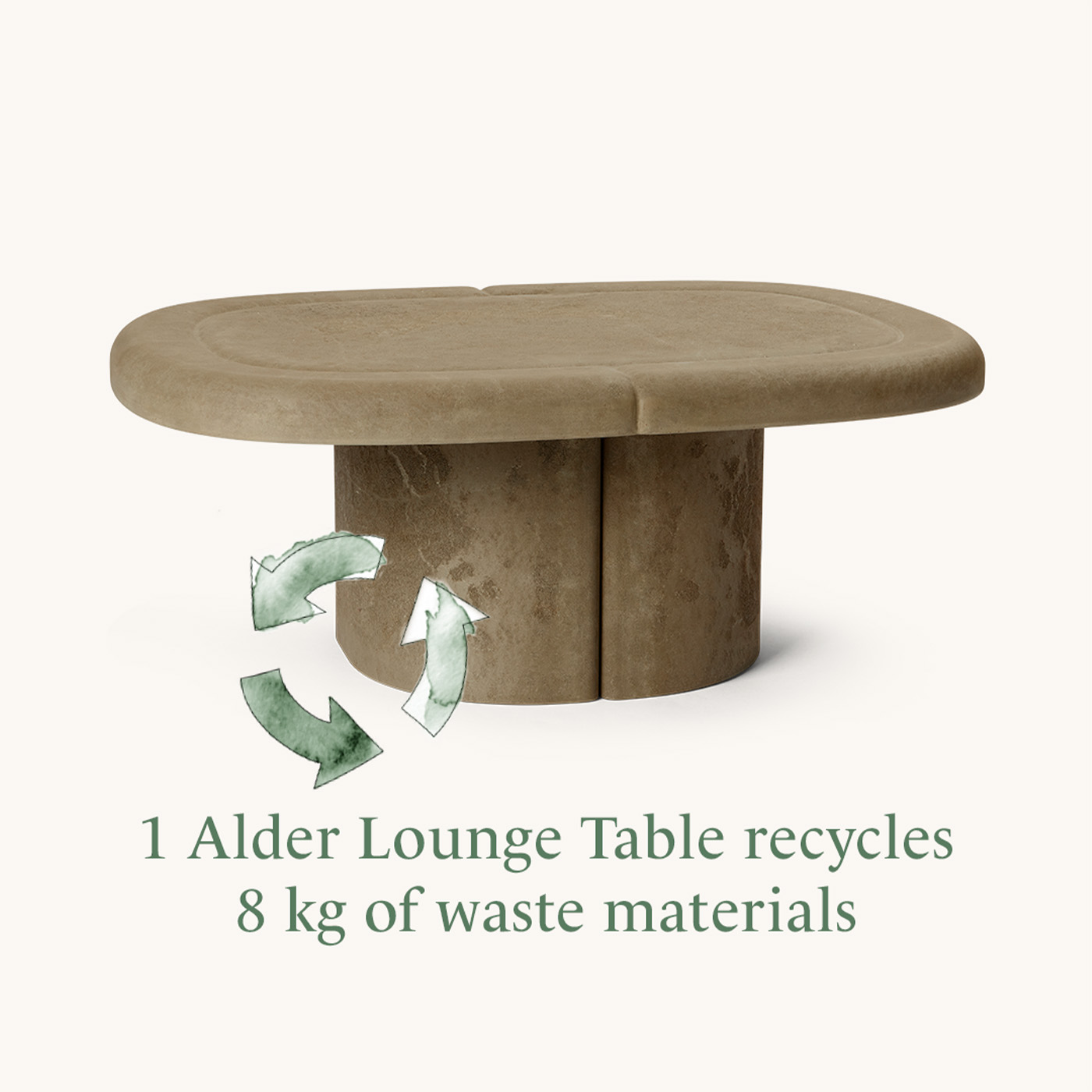
The Alder coffee table celebrates nature with its sculptural form and Matek® material—a blend of coffee shell or wood waste and biodegradable plastic. Designed for sustainability and versatility, it suits both residential and workplace settings. The Alder collection also includes a side table and stool.

A statement table made with biodegradable materials

    • Made with biodegradable Matek material
    • Inner frame is 94% recycled steel
    • Sculptural form inspired by natural shapes
    • Available in two colors
    • Subtle color variation enhances organic look
    • Part of the Alder collection
    • Meets ANSI/BIFMA X5.5 Standard for Desk and Table Products
    • Latvia

CAD/Symbols

Catalog Number BP067xxD

See All (1)

Revit

Alder Coffee Table Models

Mater Alder Lounge Tables

Downloads

Meet Mater

Innovative Danish brand Mater reuses everything from coffee shells to plastic waste to create their sustainable designs. Based in Copenhagen since 2006, they’ve long championed an approach to manufacturing that prioritizes minimal environmental impact. Their name means “mother” in Latin, signaling a promise to honor Mother Earth through high-quality pieces with timeless simplicity.

The Future of Furniture

Through years of research and testing, Mater invented Matek® — a unique, patented material that enables the brand to make furniture from waste materials. Matek offers unprecedented tactility and materiality with features that resemble timeless materials like stone, terrazzo, or even marble. It’s water-repellent and highly durable, and considered to be a material in line with wood, stone, or any other raw material. The newest version of Matek® is biodegradable and decomposes fully over time.

A Return to Nature

Testing and fine-tuning technology has enabled Mater to integrate biodegradable plastic as a binder material in the brand’s Matek material. It’s made using renewable resources instead of fossil fuels like conventional plastic. Sugarcane is the key ingredient. After extracting juice from the sugarcane plant, the dried leaves are used as fuel to heat and ferment the sugarcane juice. This sustainable approach minimizes waste and reduces environmental footprint. Additionally, sugarcane is a rapidly renewable resource. It absorbs carbon dioxide and can be harvested without artificial irrigation.