Trend #4 - Nostalgia

Milan Design Week 2025

During our final days in Milan, we explored nostalgia.

Every theme we investigated was rife with contrast – and nostalgia was no different. What is nostalgia – a contemplation of treasured memories that inspires us to create? A self-satisfaction that mires us in the past, stifling new thought?

While the answers varied, the goal of every creative mind we interviewed was the same: to create products with deep meaning that bring joy to people’s lives. For some creative minds, nostalgia for cherished memories is a motivating fire in the present; for others, nostalgia for the past is of no help if it takes away from looking to the future.

We spoke with Poltrona Frau CEO Nicola Coropulis; Berlin-based designer Hanne Willman; Haworth’s Larissa Sarjeant; the vice president of Euro Creations in Bangkok, Anand Amornrattanavej; and Nendo wrote us to share his thoughts! 
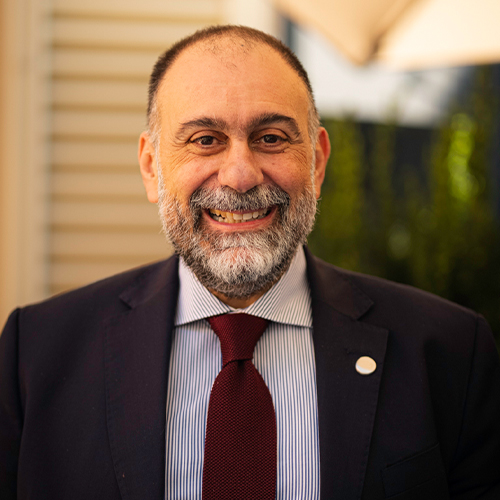
For a brand as storied as Poltrona Frau, the past holds a veritable wealth of memories. CEO Nicola Coropulis cherishes that heritage – and believes that the best way to protect it is to continue innovating for the future.  

‘First of all, it is a great pride and a great honour to represent this heritage, which is actually the founding root of our brand,’ Nicola said. ‘[It’s] also a great responsibility to preserve this heritage, to keep it alive. And the only way to actually keep it alive and make it live in the contemporary world and be meaningful for clients is through innovation.

‘It doesn’t seem like you can just rest on the pride of the past,’ he added. ‘You always have an idea for the future. I like to say that we are like a nice tree that has very solid roots, but also big leaves that are projected towards the sky… Our heritage is the base on which we build.’ 

For Nicola, nostalgia is not a focus for Poltrona Frau. ‘We’re not nostalgic at all, actually,’ Nicola said. ‘We think the past is a good memory to learn from. The present is what we live, and with what we get from our clients, with what we get from our lessons from the past, we can build a very successful future for the brand. We look back – but always with the idea of looking forward.’ 

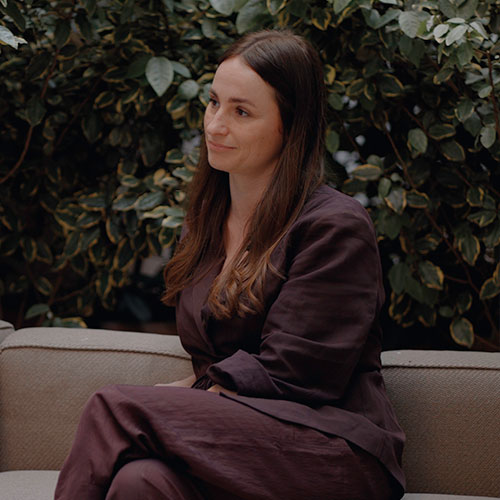
We asked Hanne Willman, a young designer based in Berlin, the role that nostalgia or memory plays in her design philosophy.

‘Actually, I think that’s always something I have in mind,’ Hanne said. ‘I think one of the best designs is when you hit something that’s hitting you deeper, on a deeper level – like somehow, super unconsciously reminding you of your childhood, of your best friend, of your cereal that you ate… I once had a dessert where I was like, wow! I’m so amazed by this, what is this? It was a star restaurant – and it tasted just like Kellogg’s Frosties. And I was like, okay, it’s reminding me of my childhood.’

For Hanne, connecting to someone’s deep, cherished memories is one way design can reach into a person’s heart – making a product an object of affection, rather than a mere trend or curiosity.

‘Sometimes you need those memories to be touched deeper,’ Hanne said. ‘Sometimes we also can reach this with design when we hit a deeper level – and that’s where you really get people to fall in love. And I think the most important part about products is that people really, really love your product. It shouldn’t just be a trend, and they want to have it because at the moment it’s cool; it should be something they fall in love with forever.’ 


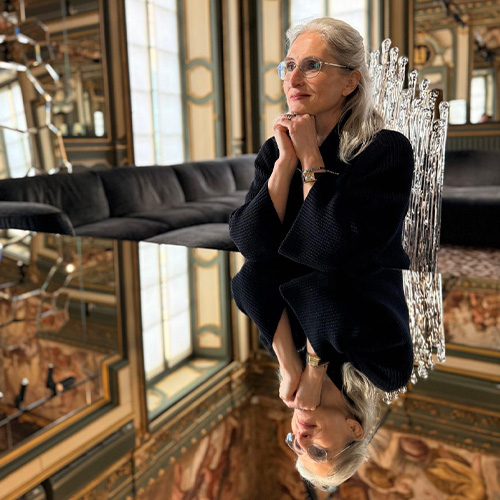
After spending over fifteen years in fashion, Larissa Sarjeant is familiar with echoes from the past resurfacing in present-day products. In our moment, however, the nostalgia seems even more pressing than usual.

‘I certainly think there is a nostalgia in the air right now,’ Larissa said, ‘and maybe it has to do with the fact that there is so much change happening because of the technological revolution that’s happening with artificial intelligence and – everywhere around us – the way we consume information.’

These sweeping changes are sending us tumbling into rose-tinted memories of the past as we seek comfort and security. ‘Change is scary to us humans,’ Larissa said. ‘So then we long for things that we know and that we feel comfortable with. And those things are usually in the past, because we managed to block away whatever was not so good in the past. We have selective memory for only the good things.’ 


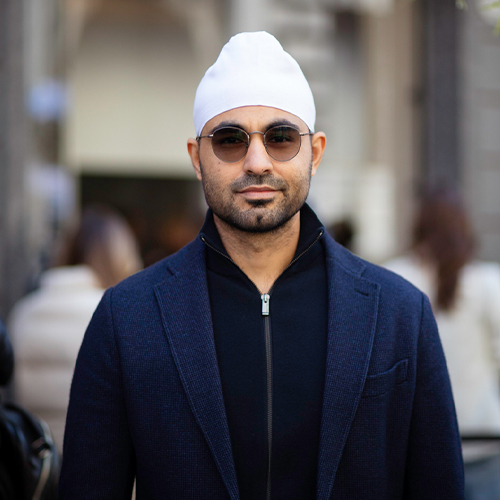
Anand Amornrattanavej, the vice president of Bangkok-based Euro Creations, spoke with us in Cassina’s outdoor lounge.  ‘We believe life is better in beautiful spaces,’ Anand told us – and for over thirty years, Euro Creations has been crafting beautiful spaces in Thailand and beyond.

Brands as storied as Cassina and Poltrona Frau have rich histories – but Anand sees a timelessness in great design that allows a product to transcend chronological location. ‘You cannot ignore the past, because the past is what is happening in the present,’ Anand said. ‘And it will somehow influence the future as well.

‘If you look at Cassina, the [Le Corbusier, Pierre Jeanneret, Charlotte Perriand collection] have been designed for how many years?’ Anand said. ‘If you design it right, it’s in it’s own time zone – and it will last forever.’


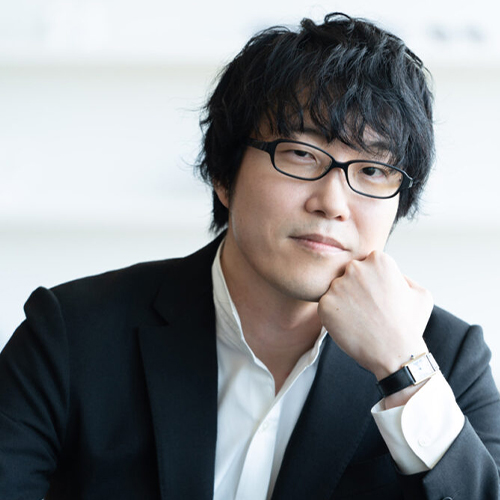
Nendo wrote us to share his thoughts on the influence of memory on his design philosophy. ‘Memory plays a very important role’, he wrote. ‘Rather than focusing on highly specific memories, I find that broadly shared ones – experiences many people have in common – are preferable.

‘By incorporating these kinds of memories into a design, it becomes possible to create something that resonates with users and stirs their emotions. You might think of memory as the "key" and emotion as the "door." Using the right key allows you to open the door.’

Every year in Milan, brands return to cherished stories. They celebrate anniversaries, renew designs from the archives, and – to borrow a word from Giulio Cappellini – honour longsellers that stand the test of time.

And yet this sense of memory does not stand on its own; it is paired with anticipation for what the future will bring. This contrast – this tension between complacency and creativity – is what keeps ‘nostalgia’ open to interpretation by creative minds.

Nostalgia might mean resting in the past, content in what is already done – a sense of the word that is of no interest to Nicola and Poltrona Frau. Nostalgia might mean the warmth of cherished, personal memories – a sense of the word that Hanne Willman trusts to forge a genuine affection between a person and a product.

After exploring nostalgia on our final day, we could not help but feel that with such a rich past, the future for the brands of the Haworth Group is looking bright. In fact, when we spoke to Matthew Haworth in the courtyard of Poltrona Frau early on our trip, he summed it up perfectly.

‘The future,’ Matthew said, ‘holds almost unlimited possibilities.’ 


Listen to article

Note, if the audio player does not show, you may need to accept preferences cookies to enable the player.