Neurodiversity Research

Haworth’s global neurodiversity research confirms a powerful truth: people experience the workplace in profoundly different ways. By designing environments, policies, and cultures that support this full spectrum of human needs, organisations can reduce stress, strengthen belonging, and unlock better performance for everyone.​

Research Insights​

​Neurodivergent employees face distinct sensory and stress‑related challenges at work, showing why environments, choice, tools, and inclusive policies all matter.​

Our global survey highlights key essentials: ​
- Sensory impacts differ for Neurodivergent and Neurotypical people​
- Individuals need variety and choice​
- Supportive spaces reduce stress​
- Policies, culture, and environment must work together

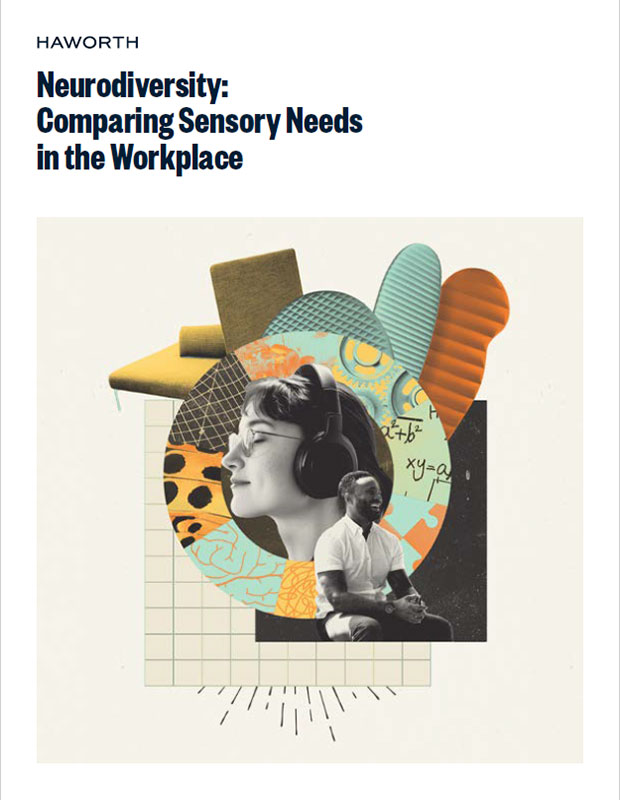
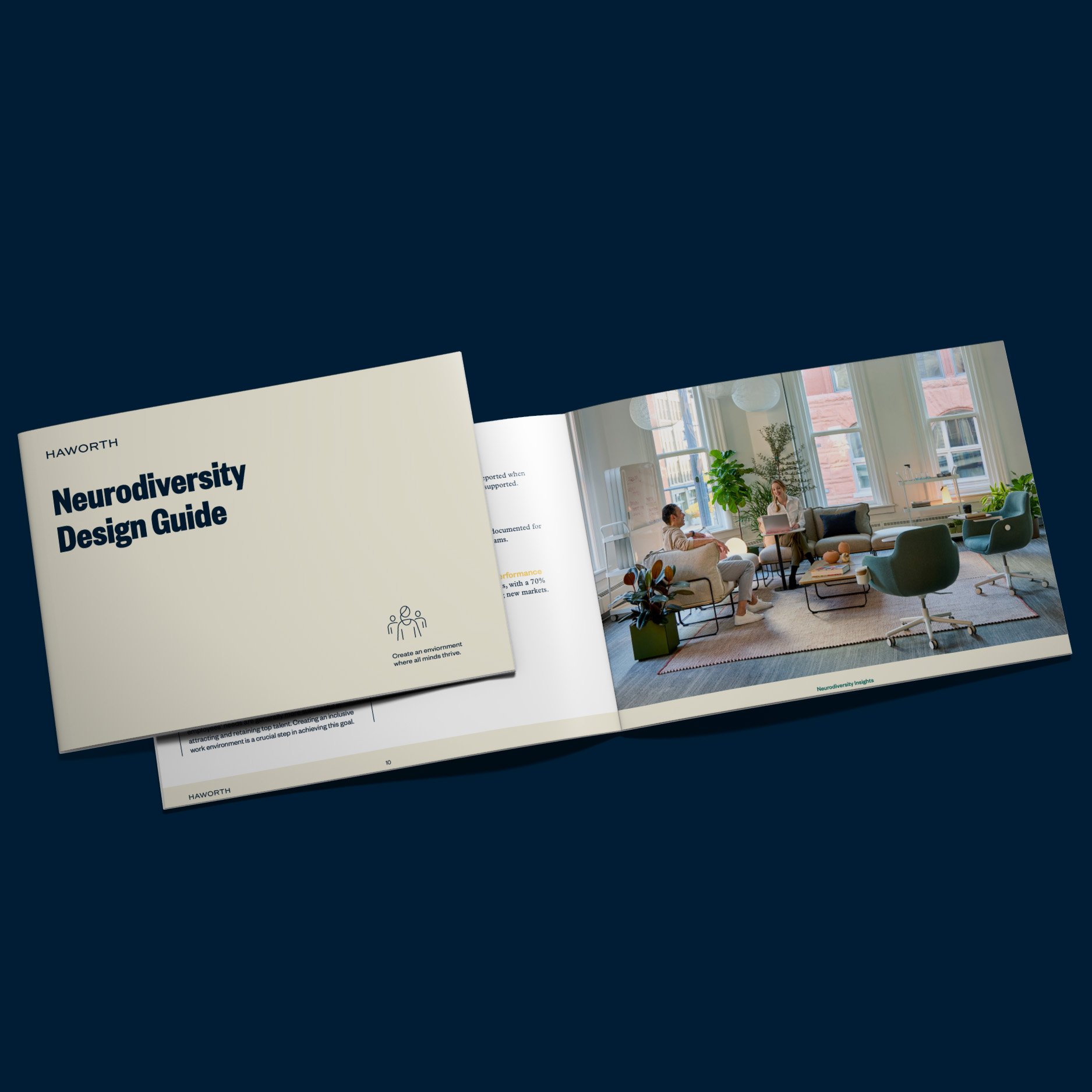
Read more in our White Paper: "Neurodiversity: Comparing Sensory Needs in the Workplace".

Download the White Paper​

Idea Starters

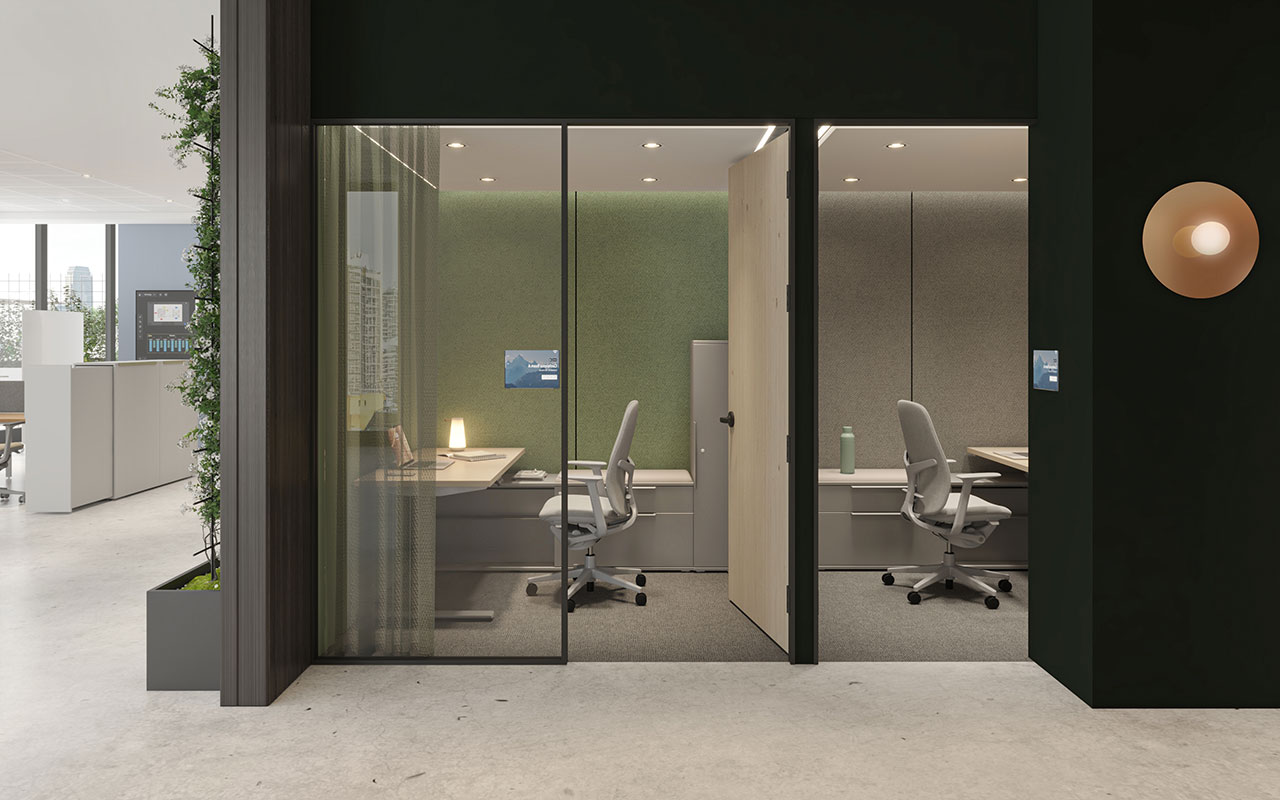
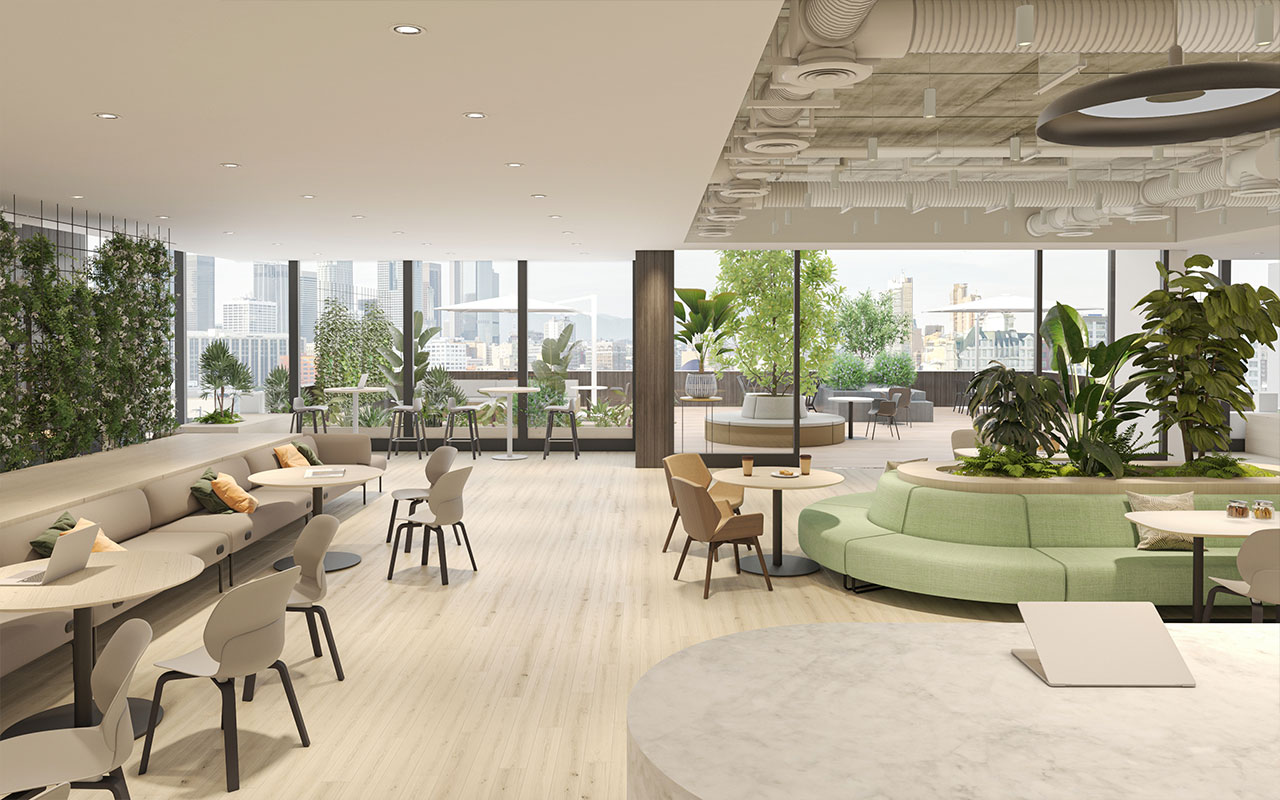
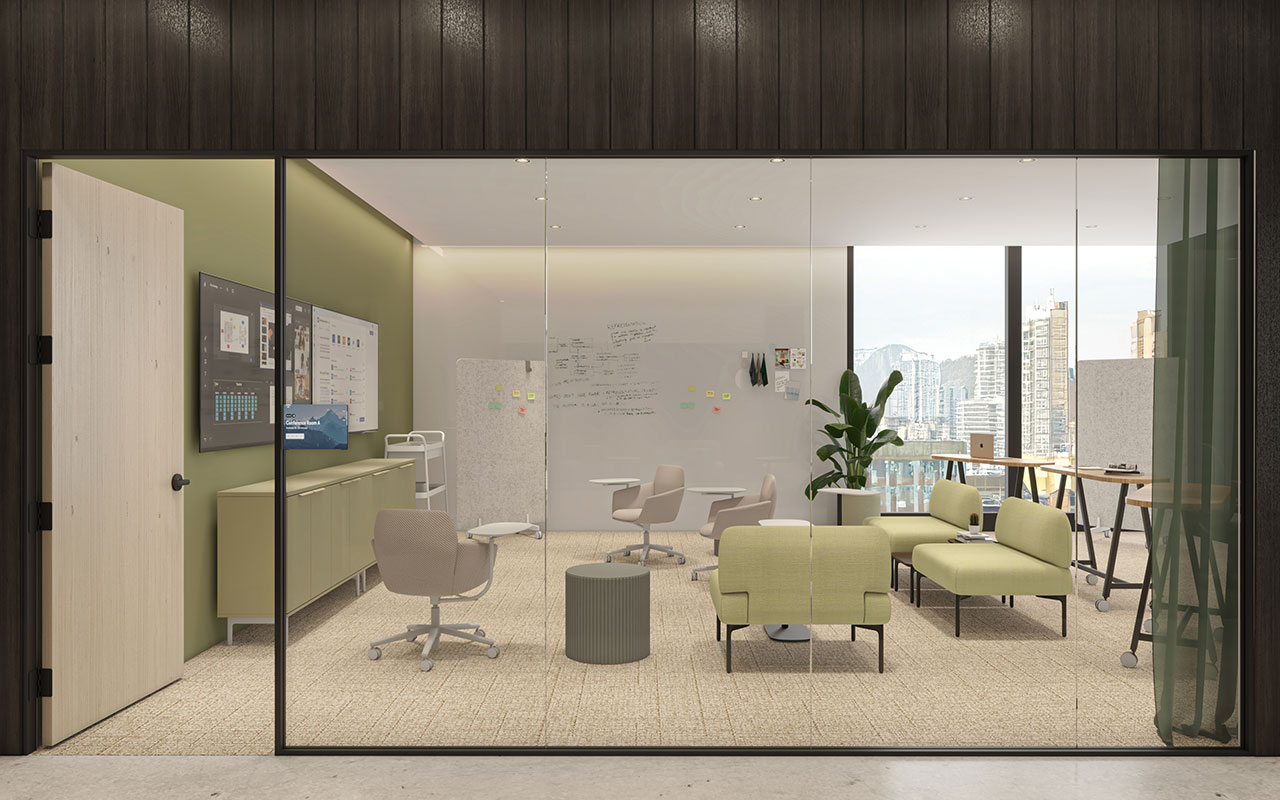
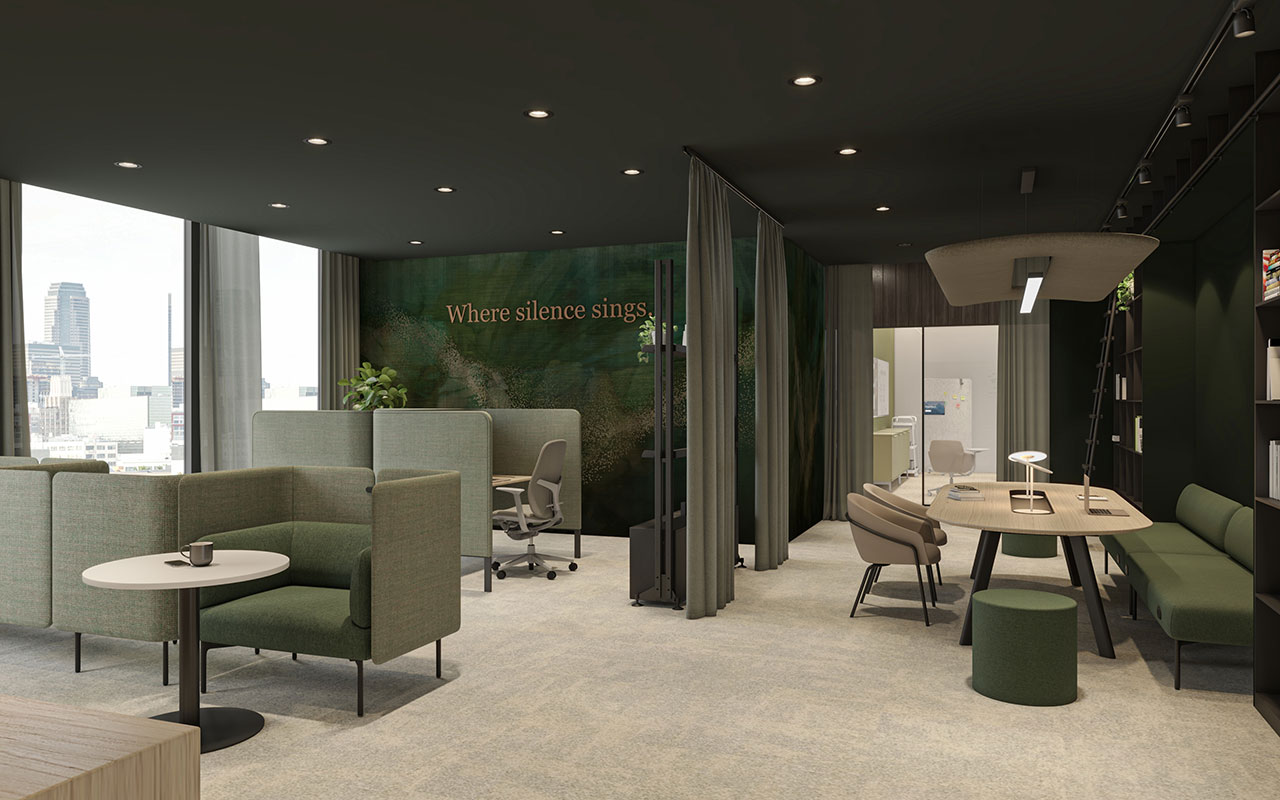
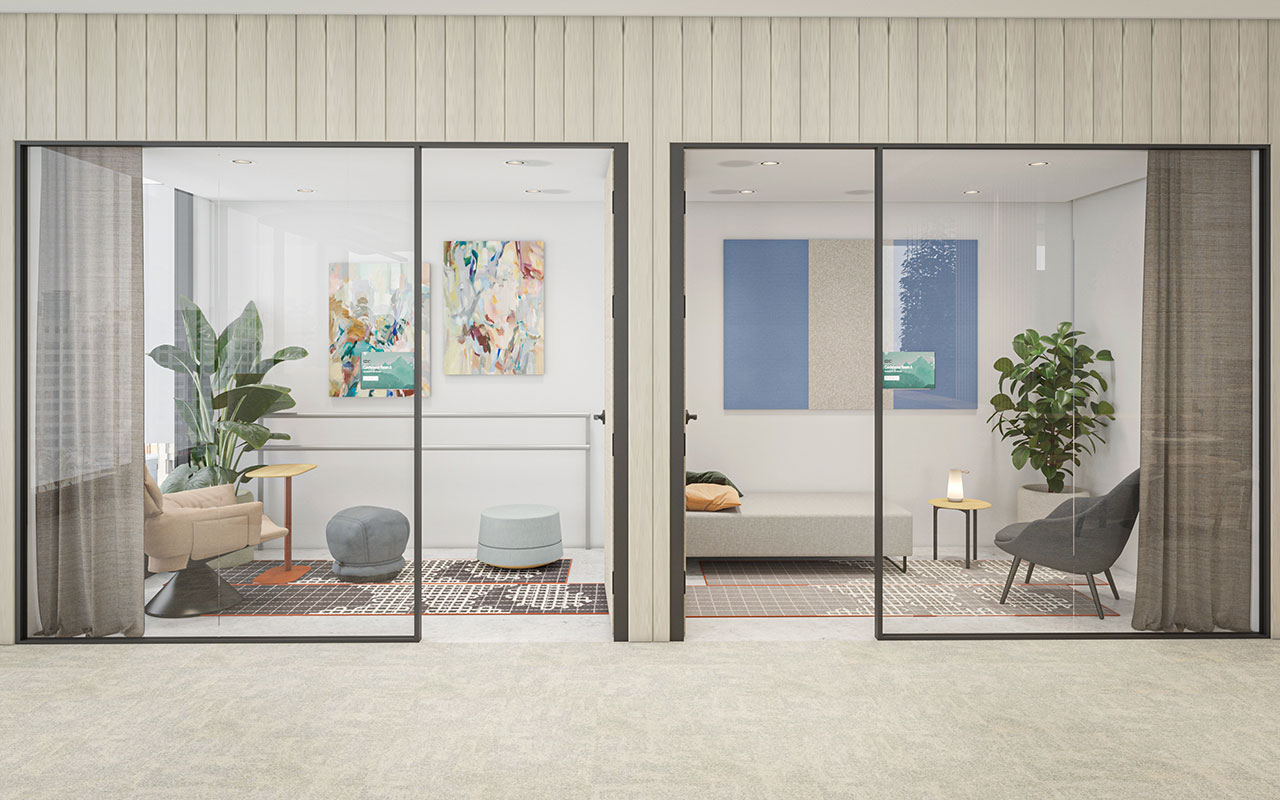
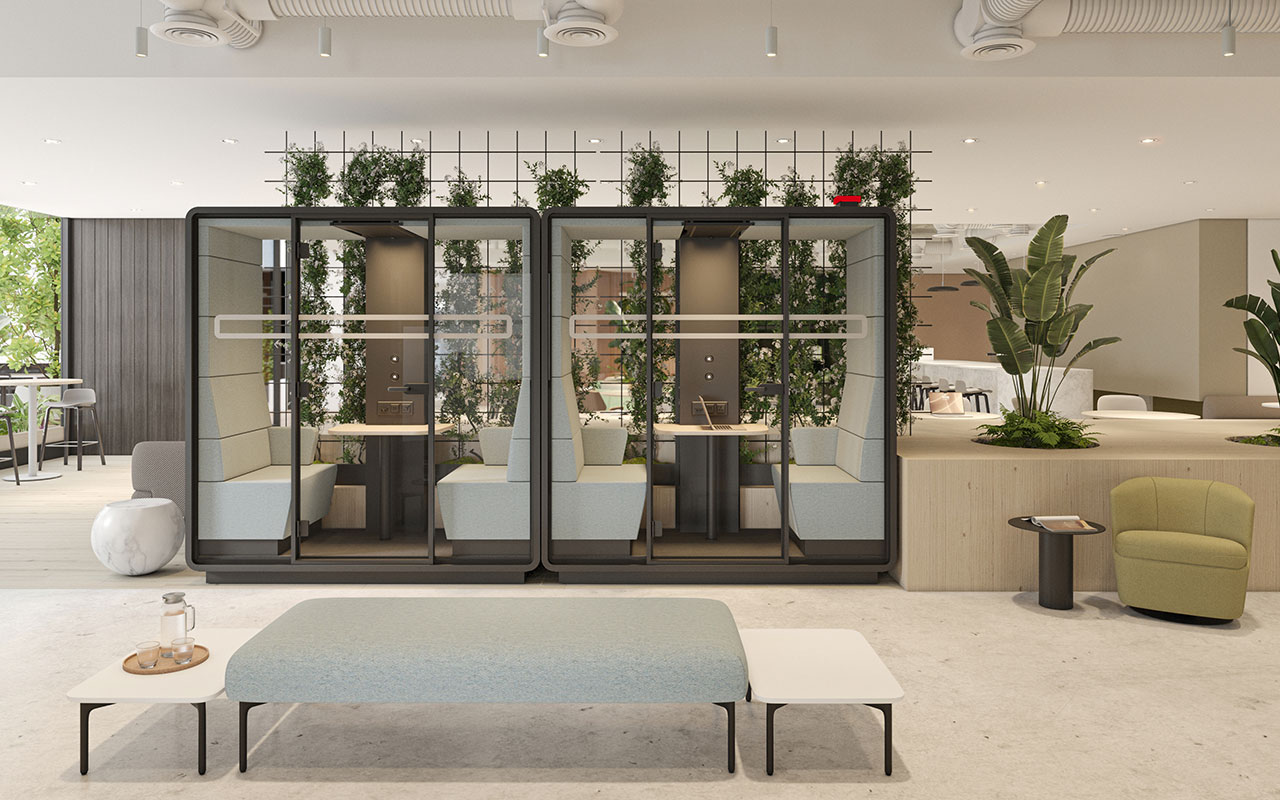
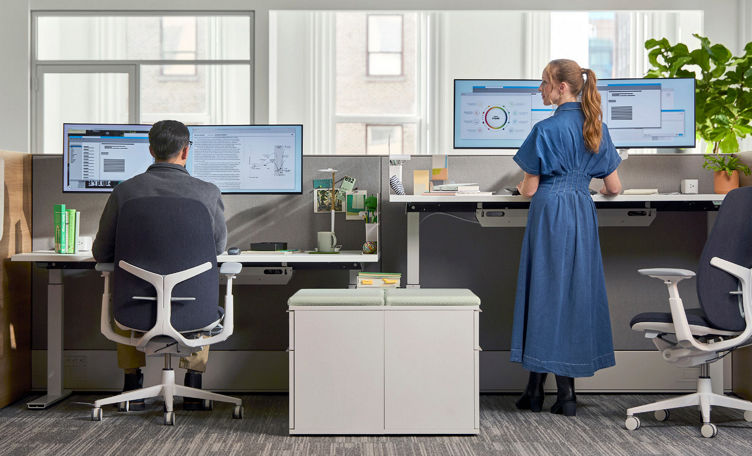
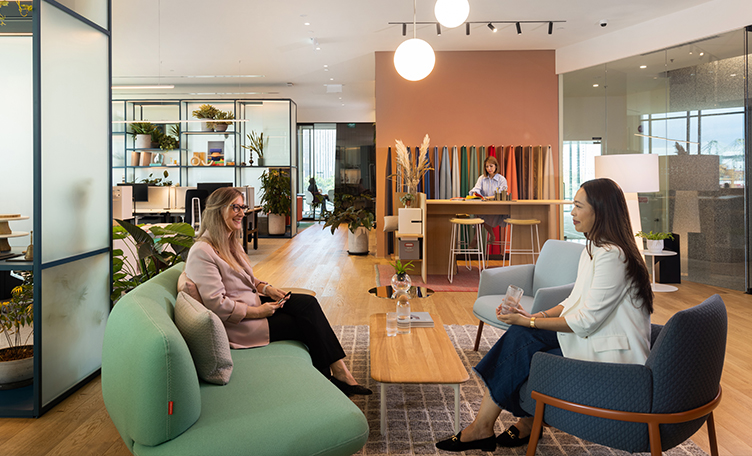
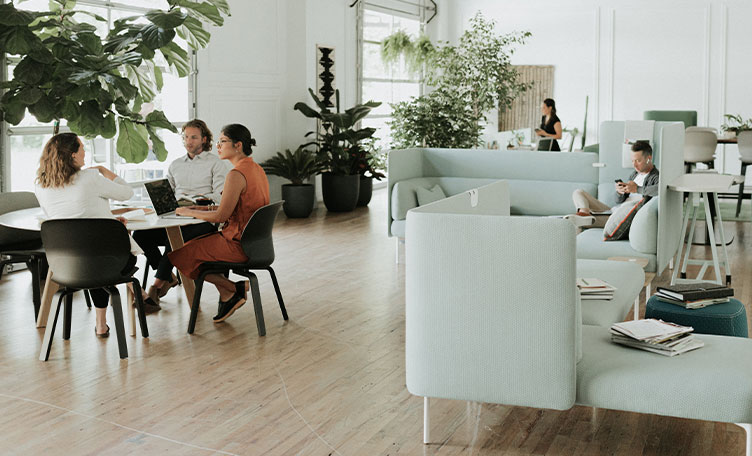
Inclusion isn’t achieved through a single solution, but through a flexible ecosystem of spaces - focus, low‑stimulation, collaborative, and restorative - that supports diverse needs across all types of environments.​

​Explore how your workplace can adapt to people​.

Workshops: From insights to action

Designing Neuro-Inclusive Work Activities

In this hands-on session you'll be working within groups to design a neuro-inclusive workspace and culture, considering certain challenges and strengths of individuals. Discover how diverse thinking can spark creativity, boost inclusion, and drive tangible workplace improvements.

Best suited for: Architects and Designers, Workplace Strategists, Workplace and Facilities teams, People, Place and Culture Specialists.

Designing Neuro-Inclusive Work Activities

Interactive Sensory Experience

Interactive Sensory Experience 

Understand our neurodiversity research through a self‑guided sensory tour. Move through our showroom spaces and encounter specific stimuli across senses. This experience focuses your attention on your own reactions and experiences to reveal the sensory implications of our findings.

Best suited for: Workplace and Facilities teams, Corporate Real Estate Specialists, Architects and Designers.