Prizing the hand: the craft Cappellini will never mechanise
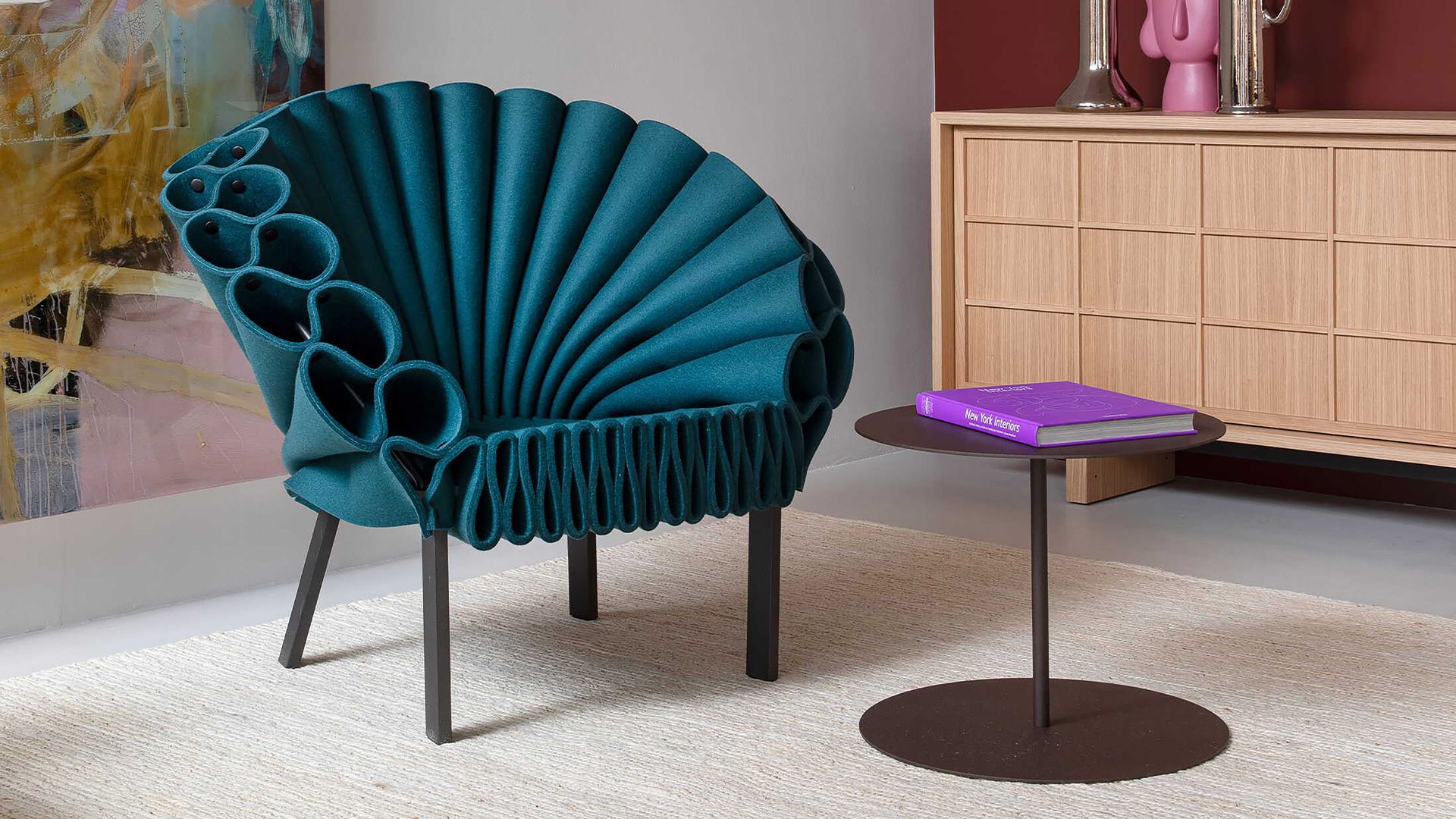
Cappellini will never compromise on the primacy of the hand. Rooted in Brianza, where Enrico Cappellini opened his workshop in Carugo in 1946, the company draws on a living culture of furniture making passed from artisan to artisan. Consider the Peacock armchair by Dror, which supports body weight with pleated felt alone – an achievement reached after nearly a year of engineering and the work of skilled hands.
‘Made in Italy,’ reinvented as a method
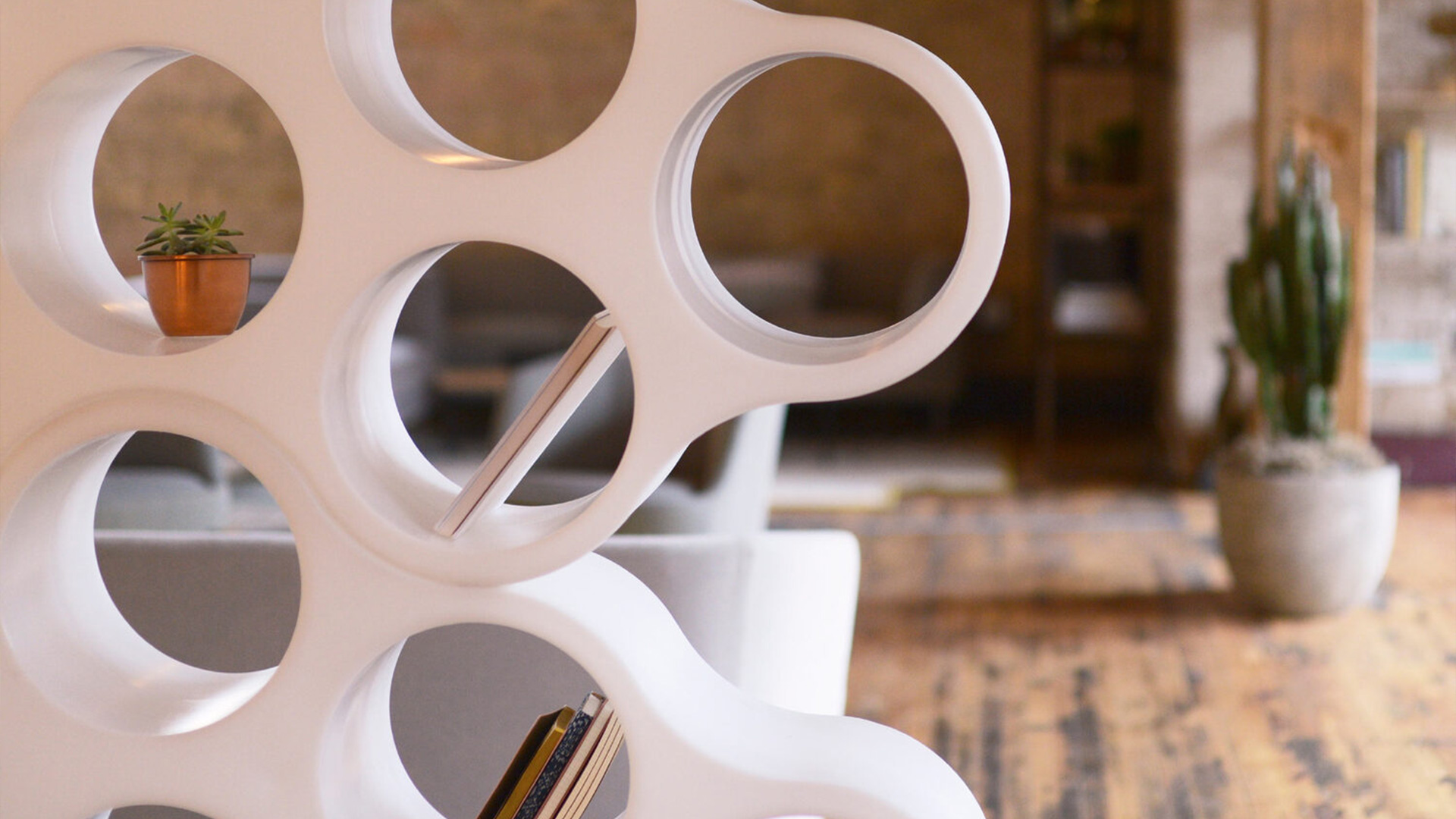
For much of the 20th century, ‘Made in Italy’ meant geography. Cappellini reframed it as a method, balancing tradition, raw material quality, and technological research. The Bouroullec brothers’ Cloud bookcase captures this shift: born as polystyrene for an installation, transformed into recycled plastic, and produced at scale via rotational moulding.
Timelessness you can measure: Cappellini longsellers
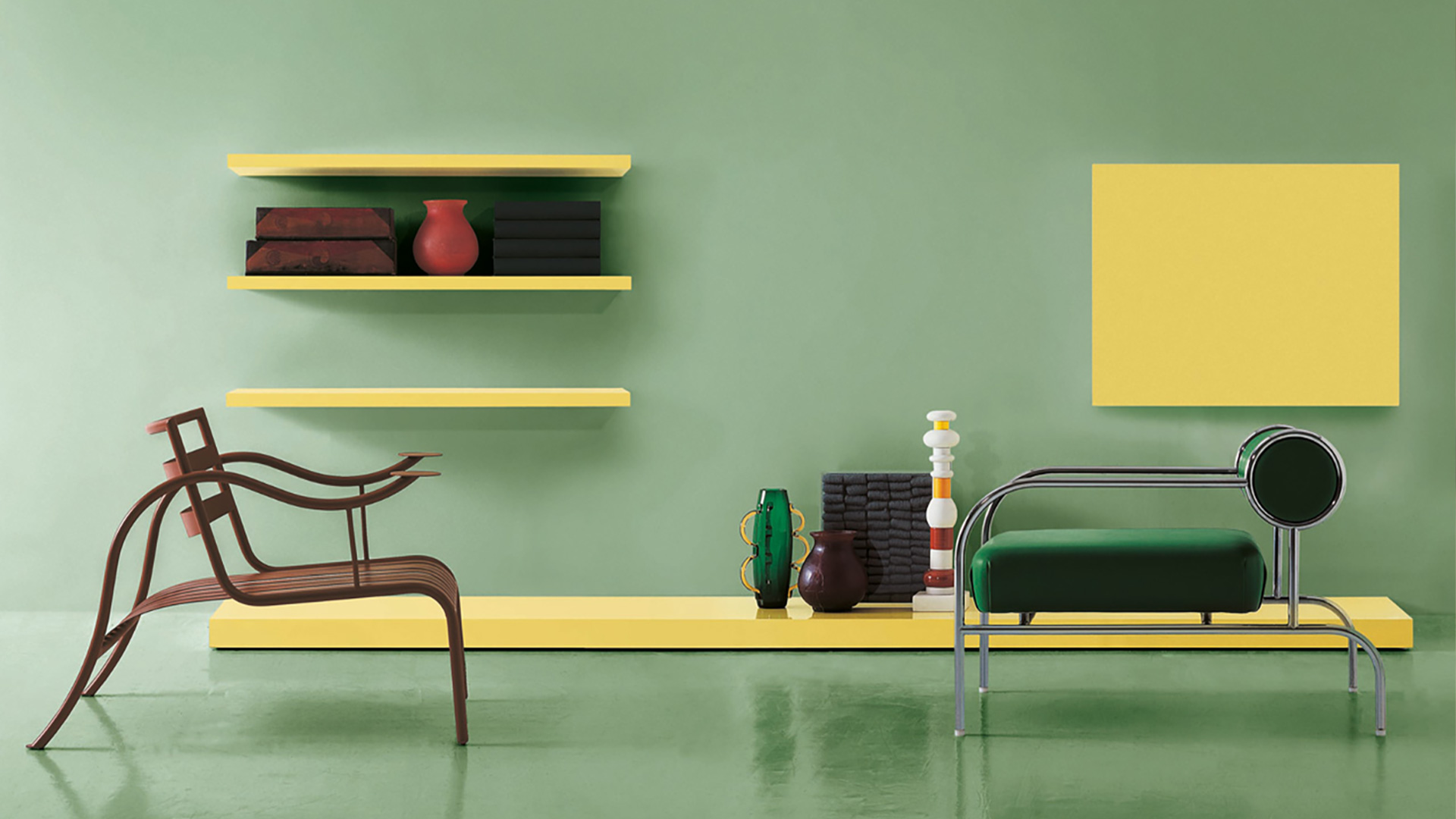
At the height of ’80s maximalism, Cappellini made a quiet bet: Jasper Morrison’s Thinking Man’s Chair – stripped of ornament yet deeply intelligent – went straight into production. Decades later, pieces from that era are in museum collections and remain in the catalogue. For a 20‑year horizon, consider Tom Dixon’s S‑Chair: introduced in 1991, still in production, and held by MoMA and the Triennale, with no period detail.
The first sustainability metric? Longevity.
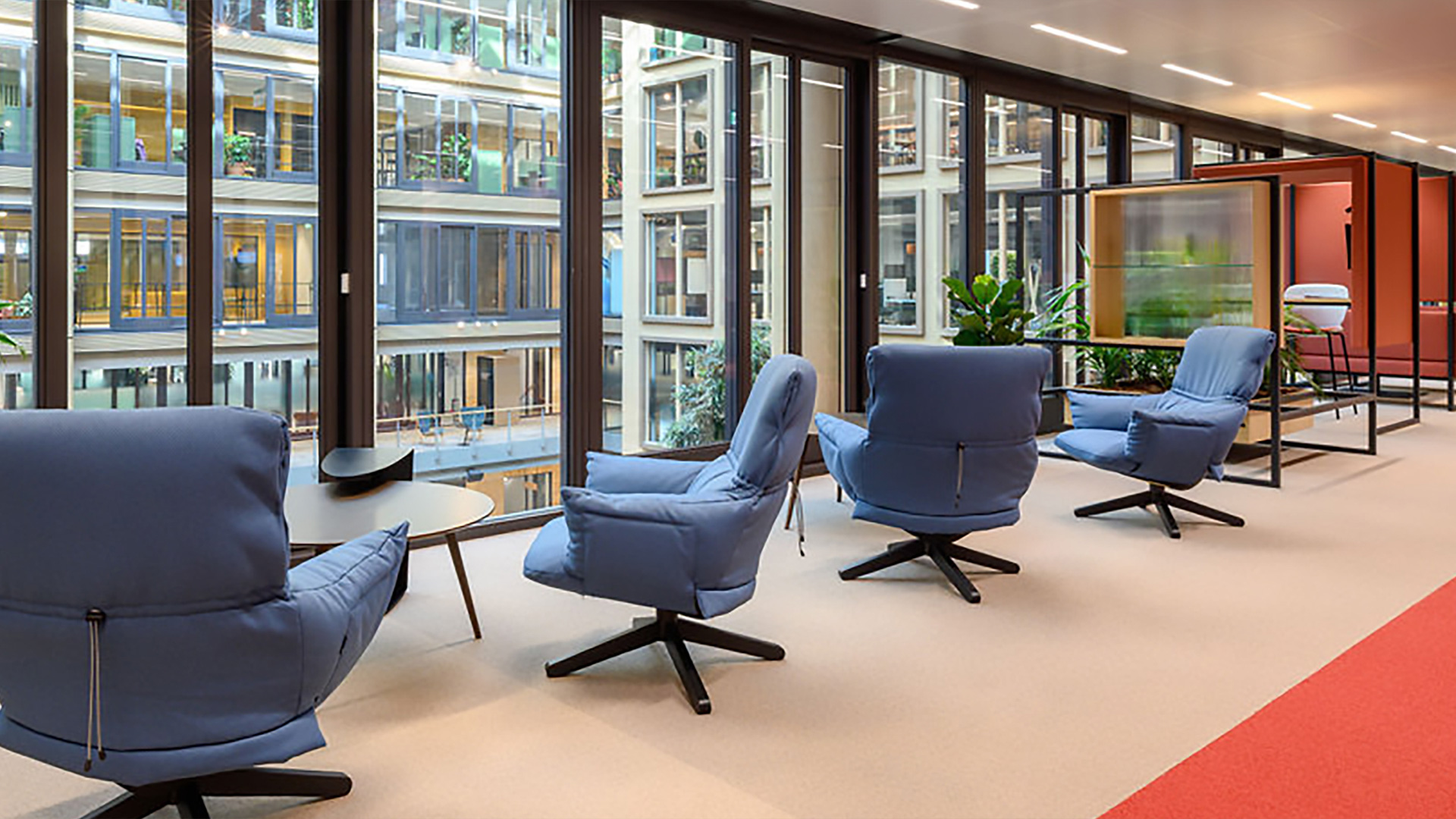
A piece that lasts a lifetime creates less waste than ten that don’t. Longevity is the first sustainability metric, followed by material origin, circularity, and waste reduction. Patricia Urquiola’s Ludo puts this into practice: recycled and natural fibre padding plus a removable upholstery architecture (options include repurposed nylon and Oceanic/Camira made from marine debris). Swapping a cover instead of discarding a chair multiplies useful life in ways material sourcing alone cannot. This thinking scales into a second life pathway: design for replaceable covers and serviceable parts; certify restoration partners globally; and re-introduce refurbished pieces.
When home meets contract, ‘contamination’ is a strength
The residential-contract blur is the decade’s most interesting brief. Cappellini rejects splitting beauty and performance into separate families; each new piece must meet contract grade and still feel unmistakably Cappellini, or it goes back to the drawing board. With finish versatility and client led personalisation, the brand treats ‘contamination’ between worlds as a strength. As part of the Haworth group, Cappellini pairs that design authority with a global contract network to deliver at scale.