20/05/2025 • 4 min read

Shared desking that works for everyone

Expert advice from our Ideation team

by Quentin de Coninck

This article was originally published in French on LinkedIn

In recent years, most projects I have worked on included a transition to hot-desking. Our Evolving Workplace survey found that the rate of hot-desking among our larger customers in the EMEA region increased from 33% to 61% between 2020 and 2024. (Results from Evolving Workplace, a global study by Haworth with responses from over 400 customers and workplace experts, will be published later this year).

When facilitating customer workshops, I often hear people express the same concerns about the transition to the Flex Office. To clarify and dispel several myths, I want to present a brief selection of these comments.

My intention is not to suggest that hot-desking spaces are superior to assigned workstations, as each has advantages and limitations. Instead, I aim to reflect on the specific characteristics of the flexible office.

Me and My Desk

Some employees find it challenging to leave their assigned desks, stating that their current setup is comfortable and convenient. However, is everyone in the company fully satisfied with their assigned workspace?

You may find yourself working near a busy passageway, under an air conditioning vent, or not appreciating your neighbour's humour. Not all workstations offer the same characteristics, and once allocated, there is no plan B. Some people may find it difficult to leave a good workstation.

However, having choices means more equality and control over your workspace, allowing you to choose between bright or dim lighting, cool or warm temperatures, or being near Paul or far from Jacques.
What if There Are No Desks Available?

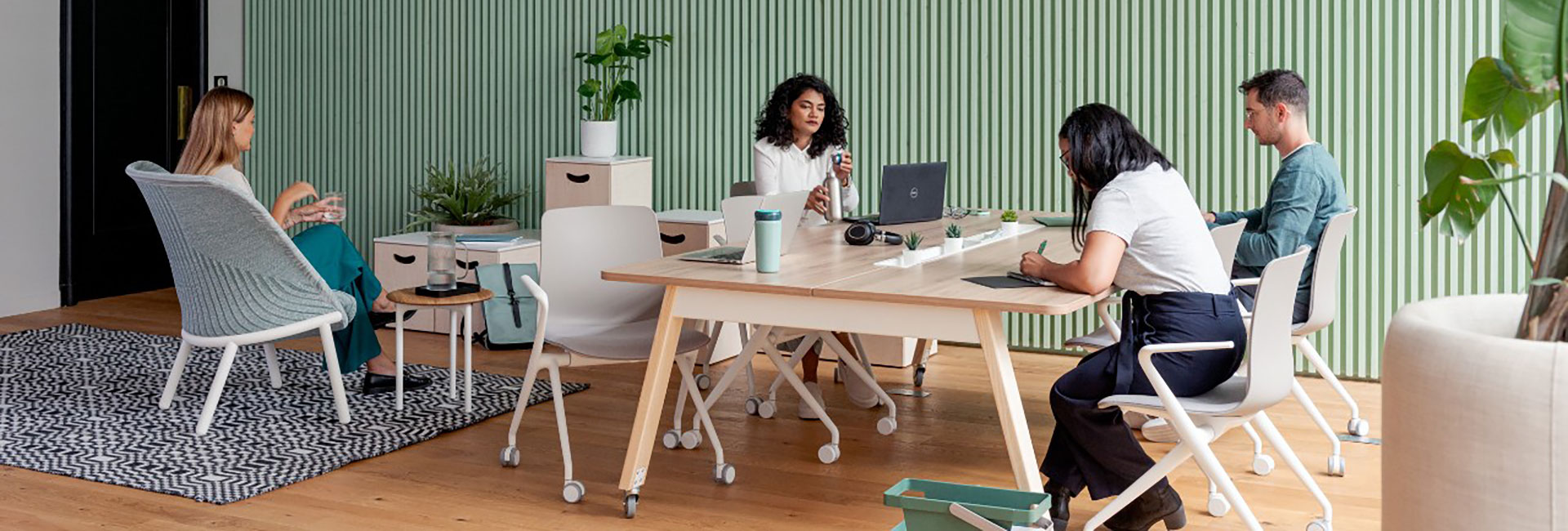
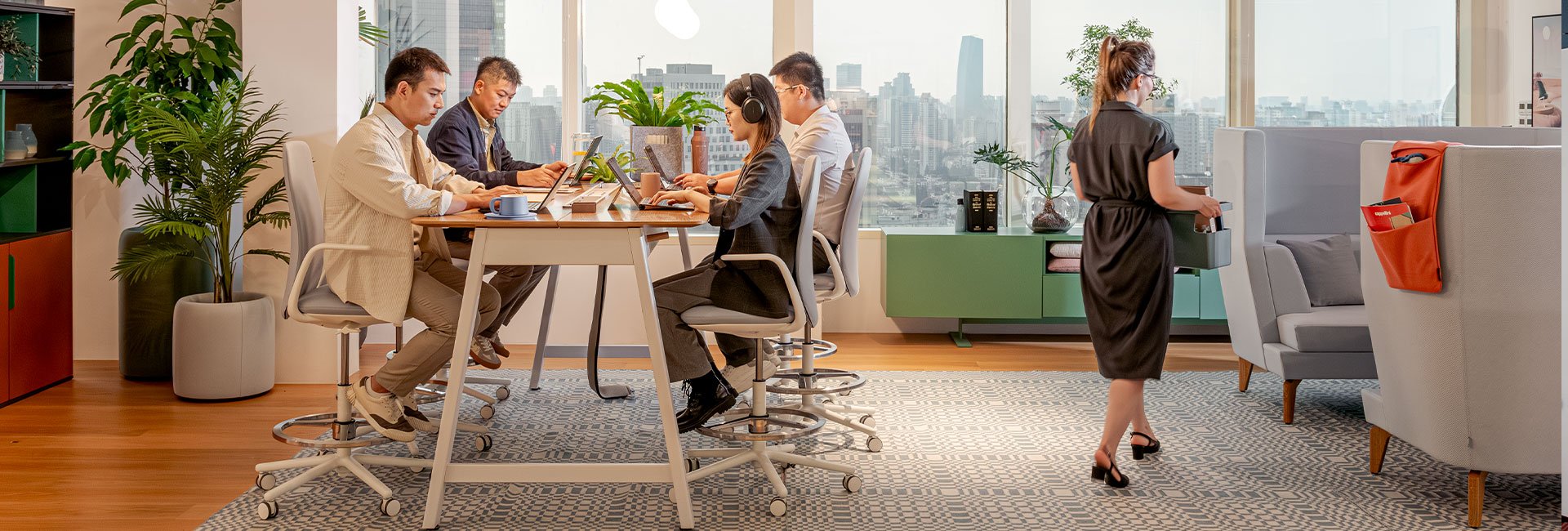
This is one of the most legitimate concerns when switching to hot-desking: "I will arrive one morning, and there will be no desks available." The reality is that most companies set conservative desk-sharing rates based not only on average occupancy but also on peaks in attendance.

Today's challenge is more about avoiding a feeling of emptiness in the office (the office occupancy rate in France in 2023 was 35%). Moreover, people can also gather on quieter days. Nothing is more frustrating than coming to the office and feeling alone in an open space.

Musical Chairs

It is a common refrain, even among office experts, that there is an unwritten rule that you must change seats in a shared space. While trying out different workstation options is encouraged, there is no evidence you need to change positions constantly unless it stimulates you. Habit and routine are essential features of the human species, so if you have a favourite spot in the office, why not take advantage of it?

Moreover, working near someone you like can boost your productivity. As long as you are not using a shared resource, like a small meeting room, everything is fine.

Where’s Waldo?

Another classic: "I am going to lose a lot of time locating my colleagues because I don't know where they are working." As we said above, the reality is that, over time, you become familiar with everyone's habits and, without being Sherlock Holmes, you can easily find your colleagues.

Moreover, the rise of hybrid working has resulted in the widespread adoption of tools like instant messaging, which allows you to easily check if your colleagues are on-site, locate them, and, most importantly, see if they are available.

For urgent questions, you can go directly to a colleague who can give you an answer – but is that colleague currently available to talk to you? Are you disturbing him or her while they are working on a task?

Focusing can be difficult, especially when you frequently face interruptions. Being able to choose your workplace and access different settings, including areas for focused work, can be a lifesaver.

Health Concerns

The pandemic has made us more hygiene-conscious, making shared workstations a greater concern. However, flex spaces typically adhere to a clean desk policy, which makes them easier to keep clean.

This contrasts with many assigned workstations, often cluttered with papers or personal belongings, making proper disinfection difficult.

Conclusion

These comments clearly show how strongly users feel about their work environment and how change can be a barrier. Effective communication with teams is essential for identifying their concerns and expectations, allowing for proper addressing. Group discussions and workshops demonstrate how everyone experiences the office uniquely, emphasising the need for spaces that promote individual well-being.

In shared spaces, acoustics are a top concern. Check out our Acoustics page to learn how to create a comfortable, balanced acoustic environment.

Tags:

You May Also Like