07/04/2026 • 5 min read

From Jefferson to Today: The Rise of Adjustable Desks

The evolution of sit-to-stand workspaces

by Haworth, Inc.

Picture some of the greatest writers, artists, thinkers, and leaders at work—standing. Charles Dickens. Ernest Hemingway. Winston Churchill. Leonardo da Vinci. Humans have been writing for over 5,000 years. But a piece of furniture designated for this activity, known as a desk, was not created until the Middle Ages.

A Brief History of the Desk

Desks evolved from tables, which were used by the Egyptians as far back as 2,500 BCE. Tables were generally stone platforms to keep food off the floor, used for eating and playing games. Throughout history, your opportunity to have a desk in your home was based on social status.

Thomas Jefferson is one of the first Americans known to have used a standing desk (or “tall desk”) at his home in Monticello. Victor Hugo also wrote standing during his Guernsey years, adopting a tall lectern to ease strain and avoid stooping. Ernest Hemingway claimed to be more creative in the standing position—and this concept is well documented: Standing spaces encourage physical movement, which positively affects the cognitive process.

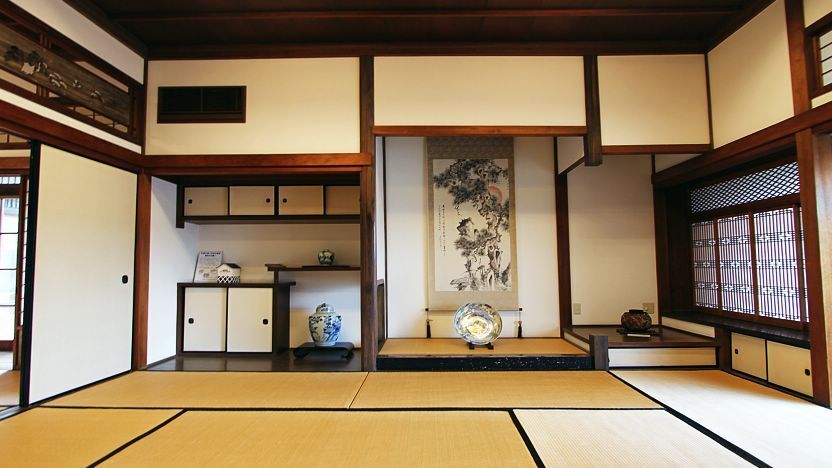
While well‑known figures help illustrate how standing work has surfaced throughout recorded history, similar ideas about posture and movement have appeared repeatedly across time and place. In many contexts, work environments were shaped to support natural shifts in posture over the course of the day, reflecting a shared understanding that productive work rarely happens comfortably in one fixed position.


Across cultures, workspaces have long supported natural variation in posture over time.

Health Implications of Sedentary Jobs

Sedentary behaviour and insufficient physical activity are established global health risks. Are people who sit less healthy or less creative? Likely both. If sitting all the time is unhealthy, being on your feet too long presents other health issues. It’s all about balance. This is why both employees and employers have pushed for sit-to-stand solutions in office environments.

Evolution & Adoption of Height-Adjustable Tables

In the modern era, the first height‑adjustable tables utilised pin‑height adjustment—a manual, labor‑intensive process of setting the surface height by moving pins at measured increments on each leg. Then came the crank, with its limited lifting capacity (57 kg) and adjustment range. Next were pneumatic and gas‑assist, but these were not powered, and did not meet typical accessibility requirements due to the lift force required. A counter‑balance solution was the next evolution, and then electric—initiated in Scandinavia because of the taller demographics.

What adjustable desks offer today—greater adaptability to the body—has also been approached historically through different forms. In some environments, desk proportions, relationships to the floor, and spatial design made it possible to alternate between seated, kneeling, or semi‑upright postures without adjusting the furniture itself. These approaches demonstrate that adaptability has long been part of how people organise work, whether supported by craftsmanship, spatial intelligence, or technology.

Early adoption varied by region. Price limited access at first, so only a small share of users opted in, even with manual crank adjustments. As manufacturing scaled and costs came down through the mid‑2010s, electric height‑adjustable tables became far more attainable. Today, they’re a common choice, making it easy for people to change their worksurface height and fine‑tune settings at the touch of a button.

Design Advances

  • Early Designs – Featured manual adjustments using cranks or levers, requiring physical effort.

  • Mid‑20th Century – Introduced spring‑assisted mechanisms for easier manual adjustments.

  • Late 20th Century – Electric motors made height adjustments smooth and effortless.

  • Early 21st Century – Programmable settings allowed users to save and switch between preferred heights with a button press.

  • Recent Innovations – Smart technology with sensors and app integration offer ergonomic recommendations and automatic adjustments.

  • Aesthetic Improvements – Modern designs use sleek materials like aluminum and glass, offering various finishes to match distinctive styles.

Get Up & Move

People spend 90,000 hours, the equivalent of about 10 years of their life, at work. One way to incorporate healthy habits is simply to move, whether it’s changing postures, getting up, and walking, or adjusting from sitting to standing positions. Since ergonomics has taken a priority in the workplace, options like YourPlace Echo are available for changing the work surface height, which decreases time sitting and increases active movement.

Health Hazards of Workplace Postures

Prolonged sitting, common among office workers, can lead to musculoskeletal disorders such as pain in the neck, shoulders, and back. It also increases pressure in the intervertebral discs, particularly in the lumbar region, contributing to disc degeneration and reduced blood flow, which is critical for tissue health and mental alertness. Prolonged standing has negative health implications, such as lower back pain, leg discomfort, and increased pressure on joints. It may also increase the risk of varicose veins and musculoskeletal disorders.

Benefits of Height-Adjustable Tables

A multi‑posture office environment encourages movement and posture changes. Sit‑to‑stand desks allow you to alternate between sitting and standing, promoting cardiovascular and metabolic health to reduce the negative impacts of static postures. Height-adjustable workstations like YourPlace Flex or YourPlace Echo support healthy certification programmes such as the WELL, which measures attributes of buildings that impact occupant health.

WELL is like a LEED rating system, but the focus is on the people in the space instead of the building. It’s all about creating a space where people can thrive. The WELL Building Standard emphasizes the importance of movement—from furniture requirements like desk‑height flexibility, seat flexibility, and monitor adjustments to physical activity opportunities and exterior active design.

In many traditional study environments, focus was supported not only through visual or technical features, but through the relationship between posture, space, and stillness. Minimal furnishings, quiet atmospheres, and the freedom to adjust one’s position over time created conditions for sustained attention—principles that remain highly relevant in today’s focus rooms and human‑centred workplaces. Seen this way, adjustable desks align with a longer continuum of design approaches responding to the same fundamental priority: creating environments where people can work comfortably, stay focused, and sustain their energy over time.

Harness the Power

To benefit from a sit‑to‑stand desk, use is key. A combination of sitting and standing throughout the day helps fight fatigue and boosts energy, sharpening your focus as you work. The goal is to alternate between postures. Proper training on how to operate the desk is essential to get into the habit of using this work tool to promote wellness in the workplace and at home.


Ready to explore what this looks like in practice?

Download our Playbook to explore how thoughtful workstation design can transform your office into a destination for great work.

Tags:

You May Also Like