Get Up & Move
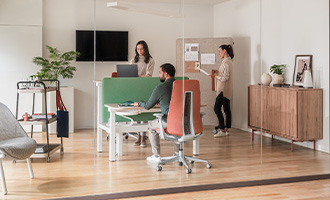
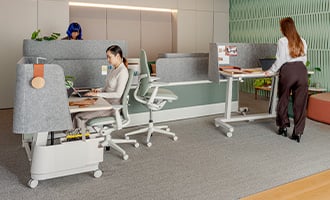
People spend 90,000 hours, the equivalent of about 10 years of their life, at work. One way to incorporate healthy habits is simply to move, whether it’s changing postures, getting up, and walking, or adjusting from sitting to standing positions. Since ergonomics has taken a priority in the workplace, options like YourPlace Echo are available for changing the work surface height, which decreases time sitting and increases active movement.
Health Hazards of Workplace Postures
Prolonged sitting, common among office workers, can lead to musculoskeletal disorders such as pain in the neck, shoulders, and back. It also increases pressure in the intervertebral discs, particularly in the lumbar region, contributing to disc degeneration and reduced blood flow, which is critical for tissue health and mental alertness. Prolonged standing has negative health implications, such as lower back pain, leg discomfort, and increased pressure on joints. It may also increase the risk of varicose veins and musculoskeletal disorders.
Benefits of Height-Adjustable Tables
A multi‑posture office environment encourages movement and posture changes. Sit‑to‑stand desks allow you to alternate between sitting and standing, promoting cardiovascular and metabolic health to reduce the negative impacts of static postures. Height-adjustable workstations like YourPlace Flex or YourPlace Echo support healthy certification programmes such as the WELL, which measures attributes of buildings that impact occupant health.
WELL is like a LEED rating system, but the focus is on the people in the space instead of the building. It’s all about creating a space where people can thrive. The WELL Building Standard emphasizes the importance of movement—from furniture requirements like desk‑height flexibility, seat flexibility, and monitor adjustments to physical activity opportunities and exterior active design.
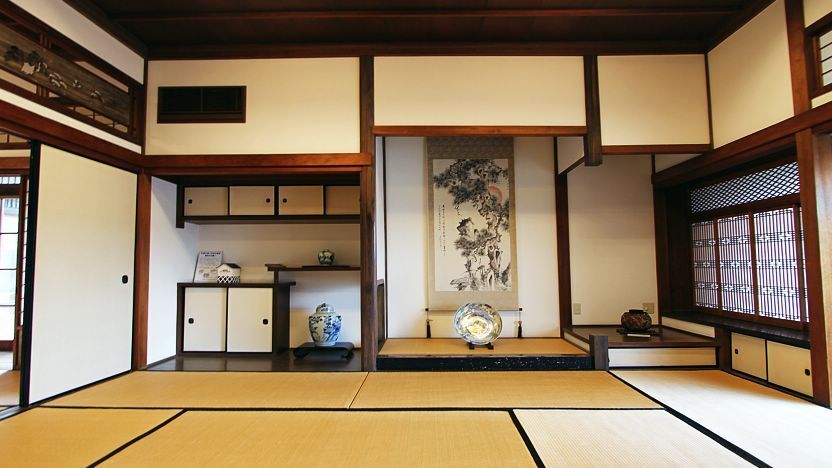
In many traditional study environments, focus was supported not only through visual or technical features, but through the relationship between posture, space, and stillness. Minimal furnishings, quiet atmospheres, and the freedom to adjust one’s position over time created conditions for sustained attention—principles that remain highly relevant in today’s focus rooms and human‑centred workplaces. Seen this way, adjustable desks align with a longer continuum of design approaches responding to the same fundamental priority: creating environments where people can work comfortably, stay focused, and sustain their energy over time.
Harness the Power
To benefit from a sit‑to‑stand desk, use is key. A combination of sitting and standing throughout the day helps fight fatigue and boosts energy, sharpening your focus as you work. The goal is to alternate between postures. Proper training on how to operate the desk is essential to get into the habit of using this work tool to promote wellness in the workplace and at home.