25/11/2025 • 6 min read

Building a world where everyone belongs

Inclusive design thoughts with MustardTek’s Minki Chang

by Alex Przybyla

All over the world, companies, universities, design firms, and advocacy organisations are working together toward a lofty goal: building an inclusive world where everyone feels they belong. 

MustardTek is helping to build that inclusive world in Shanghai and beyond. Founded by Minki Chang, MustardTek works for inclusive design, especially for disabled communities. Working with deaf and blind people, wheelchair users, and neurodiverse groups, MustardTek helps offices, schools, factories, and local communities build more inclusive spaces. (You can hear Minki share his personal connection to this topic in our extended audio version of this article.)

Our interview with Minki was a timely reminder that building more inclusive spaces – spaces where everyone feels they can belong – is possible. There are challenges, and sometimes they seem insurmountable, but there is real progress, too. 

As we build the inclusive world, everybody has a part to play – but architects and designers are, in many ways, the heroes of this journey. For A&Ds reading this: the work you do to build more inclusive spaces – often against seemingly impossible limitations – is important, valuable, and profoundly meaningful. 

Building an inclusive world IS possible, and people like Minki are showing the way. Here are 5 insights from our conversation. 


Listen to this article:

1. An inclusive workforce is a competitive advantage

MustardTek works with a factory in Suzhou where over 70% of the workers are disabled. Minki explained that companies often view such partners through the lens of corporate social responsibility – working with a partner with such a diverse workforce is a good thing to do, but it’s more closely associated with charity than business.

But the factory in Suzhou sees things differently. With a unique workforce bringing a breadth of diverse perspectives, the factory is more than a CSR story: they’re a premium manufacturing partner. With MustardTek’s help, the factory is designing an exhibition centre in the reception area that ‘highlights that being inclusive and having a diverse workforce is actually a competitive advantage,’ Minki says.

Inclusive design and diverse workforces give businesses an edge. ‘When we apply inclusive design into office spaces, we create a place of belonging for everybody,’ Minki says. ‘Lots of research has shown that having a diverse workforce creates better work environments. It creates more innovation, better creative problem solving. In terms of culture, there’s less turnover, which reduces costs in training and development. 

‘And if we think about just life in general, people are what is really important,’ Minki says. ‘All our design decisions, all our problem solving is ultimately about solving human problems. Accessibility provides access so that we can connect and create these environments that have a sense of belonging, where people can be at their best.’ 


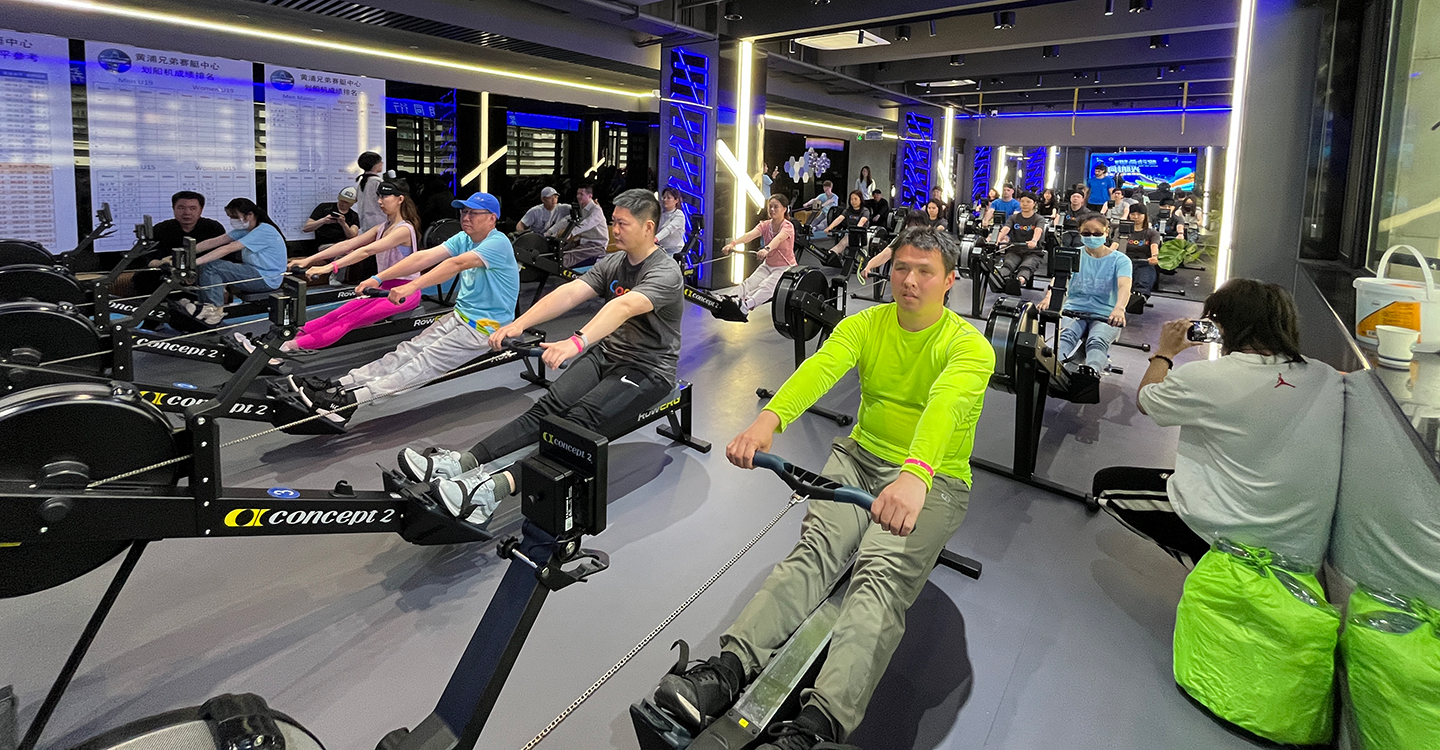
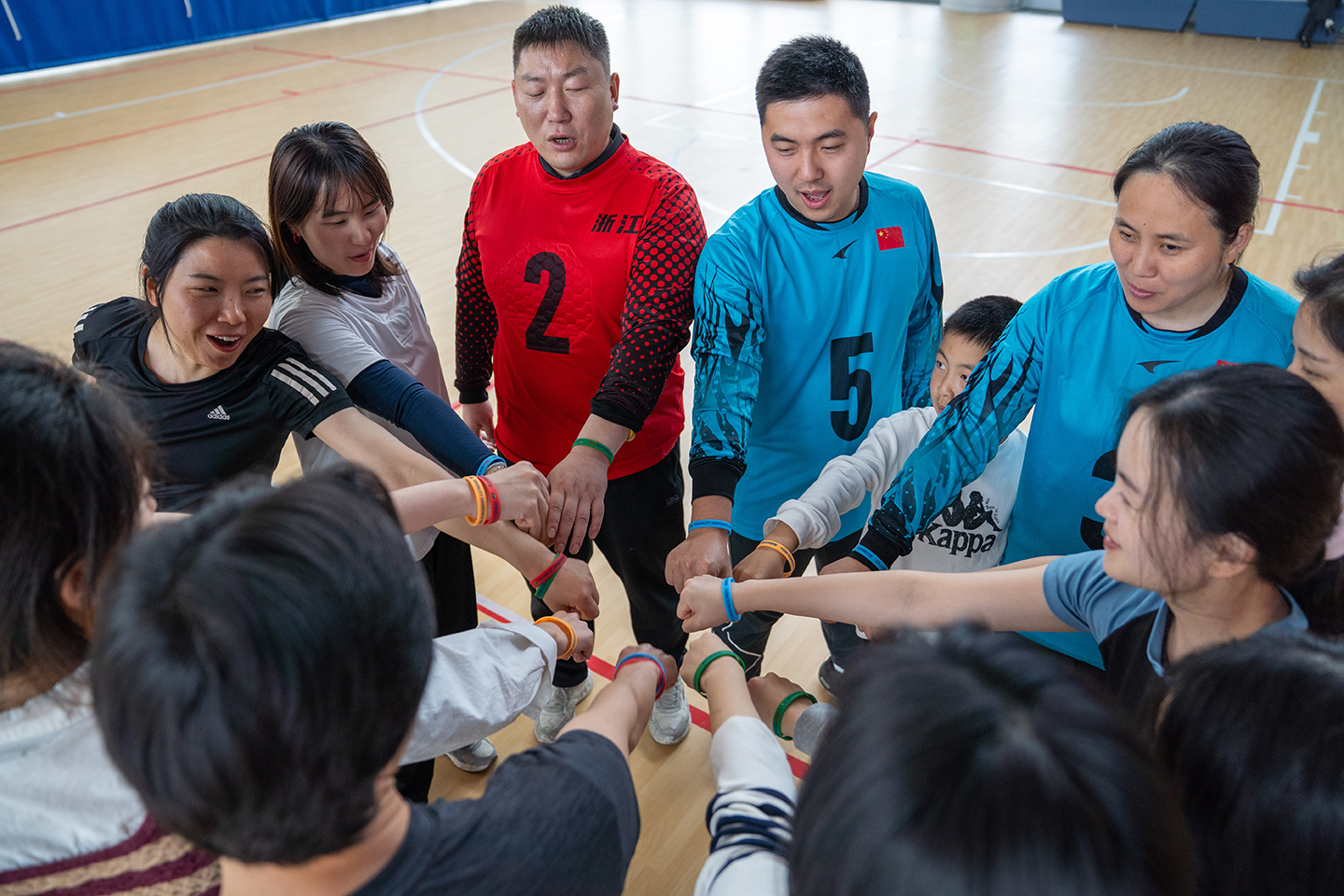
MustardTek organises inclusive sports activities like Rowing For All. 

2. Inclusive design benefits everyone, not just those with disabilities 

MustardTek’s work with Duke Kunshan University illustrates the vast range of disabilities that people experience. For universities with strong athletic programs like DKU, accessibility measures help athletes who frequently find themselves disabled by injuries.

‘There are permanent disabilities, but there are also temporary and situational disabilities,’ Minki says, noting that the WHO has stated that almost everyone will experience some form of disability during their lifetime. ‘By focusing on inclusive design and accessibility, yes, we’re benefiting people with disabilities, but also we’re often benefitting ourselves and our peers.’

This is true of offices as well. Inclusive workplace design often leads to a myriad of settings, like sit-to-stand desks or a variety of quiet and buzzy areas; this range of choice in furniture settings is great for disabled and able-bodied colleagues alike.


Inclusive design benefits everyone.

3. MustardTek uses empathy workshops to increase understanding 

When clients seek to make their spaces more inclusive, MustardTek runs what Minki calls ‘empathy activities’ or ‘empathy workshops.’

An empathy activity ‘opens the door for conversations,’ Minki says. ‘We try to do this as sensitively as possible, because we’ll never truly understand what it means to have a disability.’ But by bringing someone with a relevant inclusivity need to the project – wheelchair users and blind participants for the Duke project, for instance – the able-bodied members of the group can begin asking the right questions.

‘What we stress oftentimes with these types of workshops is that what you’re experiencing is to create a shared understanding,’ Minki says. ‘It’s not leading to answers, but it’s leading to questions – drawing out how you experience a barrier.’

MustardTek also helps organisations and individuals engage the Deaf community. One of MustardTek’s full-time employees is deaf; he helps run programs like sign language workshops so that people can communicate with their deaf colleagues.

Deaf people are a vital part of the team at Haworth Group brand Hushoffice.

How Mikomax creates a culture of inclusion

4. Inclusive design goes beyond compliance 

People love checklists. With the right checklist, we feel almost invincible. Just do x, y, and z, and success is guaranteed! Everyone will love everything! Happiness forever! 

But as we know all too well, complying with checklists can only take us so far. It’s the same in the world of inclusive design. Humans are inevitably case-by-case creatures, it seems. Even people with similar physical or neurological profiles will have unique needs that compliance and checklists just can’t capture.

‘Following policies and standards is really important, and they exist for a reason,’ Minki says. ‘But I think it’s also really important to understand who you are serving within your office, who will be experiencing this space, and to understand their specific needs – because it might be quite different, or the policies and standards might need to be applied differently.’ 

Inclusive design can start by complying with checklists – but it can’t end there.

5. The future of the office is silver

In many countries around the world, populations are aging. (That’s certainly the case in China.) This demographic shift is inevitably going to affect the workforce – and more inclusive design today will help the workers of tomorrow. 

‘The workforce is going to be aging,’ Minki says. ‘And as we age, our vision, our hearing, our mobility start to decrease. And I believe workplaces, offices, companies need to start thinking about, What is that future of their workforce, of their work environment? How do they accommodate these older workers, as well as bring in more people with disabilities?’

By anticipating the accessibility needs of tomorrow’s silver wave, workplaces can create spaces that are more inclusive for everyone today. 


Listen to the extended audio version of this article to hear Minki share his personal connection to accessible design and his favourite inclusive projects.

Play the audio

How can you help? 

All around the world, in every city and community, people are excluded in different ways. To start building the inclusive world, you can begin by ‘connecting with people with disabilities,’ Minki says. Community organisations and advocacy groups are a good place to start.

And Minki recommends that designers keep a critical eye (not a problem for designers, in my experience!). ‘Be critical of your design decisions, or critical of design in general,’ Minki says. ‘We live in a design world, and every design decision can include people or exclude people – so being more critical about the decisions we make and asking, Are we going to exclude anybody by making this decision?’

What’s next 

Together, we’re building a more inclusive world. Haworth’s focus is mostly on workplaces, but we’re also working on universities, community spaces, hospitality areas – really, anywhere people and space intersect. In the spaces we help craft, we want people to feel they belong.

MustardTek shares that hope. ‘My desire, and what we want to do with MustardTek, is to create an environment where every person can thrive, every person can contribute and be able to be at their best, to fulfil their potential,’ Minki says.

Building spaces where people are welcome, where everyone can feel a sense of belonging, is a profoundly important goal. Wherever you are and whatever you’re working on, we wish you success on this long road toward inclusivity. 

If you’re in Shanghai and you’re interested in inclusive design, you can find Minki on LinkedIn

Tags:

You May Also Like