29/08/2025 • 6 min read

What we talk about when we talk about neurodiversity

Victor Bourdariat on Haworth’s inclusive design approach

by Alex Przybyla

Haworth’s goal is to craft spaces that enable people to do their best work. What works for some won’t work for others, however – and this is especially true in workplaces. There is no one-size-fits-all space that can unleash everyone’s best work, because we are all quite different. Each mind is something of a puzzle; in so many ways, our own brains remain mysteries to us.

For neurodivergent people, the workplace problem is particularly pressing. Fortunately, the conversation around neurodiversity in the workplace is expanding rapidly, and as more research is done, we find more answers, more best practices, and more helpful hints. This knowledge helps us better serve people, however they think, work, and live.

And that’s our ultimate goal: to help everyone work at their best.

Haworth has been exploring neurodiversity in the workplace for years – but there are a lot of different ways to frame and approach this topic. How does Haworth think about neurodiversity?

Given what we know so far, we believe inclusive design that emphasises flexible settings and personal agency is the best approach. We spoke with Victor Bourdariat, Designer for Haworth Europe, to learn more about what that means.

To echo Raymond Carver’s famous title, let’s look at what we talk about when we talk about neurodiversity in the workplace. 
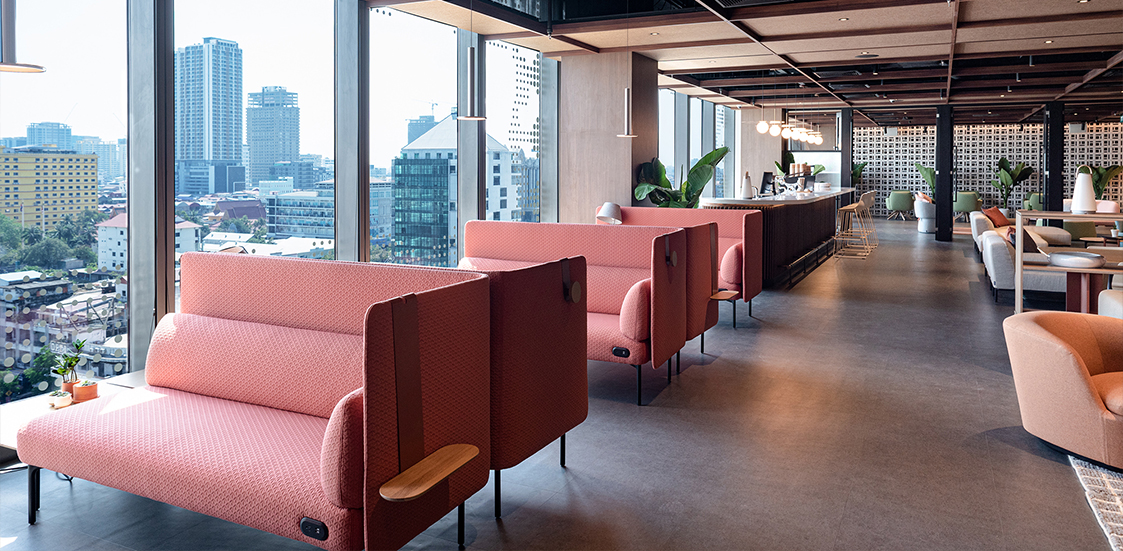

What makes an office inspiring for one person may make it challenging for another. 
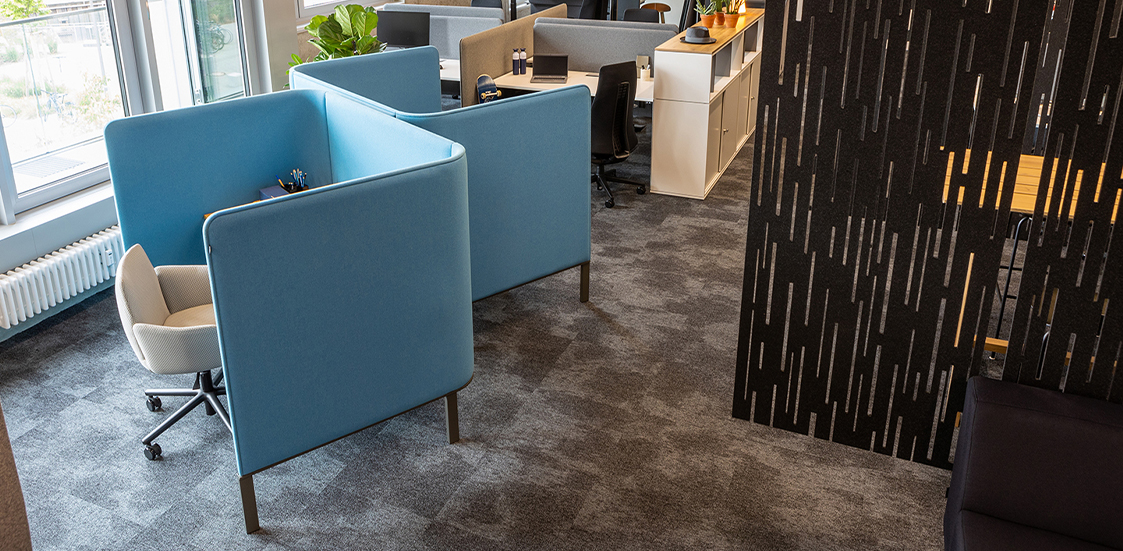
The office is a challenging environment for neurodivergent workers.

The office tends to be a difficult place for neurodivergent people. ‘Work… is at the heart of so many challenges for neurodivergent folks,’ writes Jenara Nerenberg in Divergent Mind: Thriving in a World That Wasn’t Designed for You.

Neurodivergent people are estimated to make up 20% of the population. They often respond to environments in ways that diverge from the norm, so one in five employees respond to offices in a different manner than their colleagues – and rather than help them work at their best, offices often hinder their best work. Those of us in the workplace industry must take special care to design spaces that include neurodivergent people.

How Haworth considers diversity in the workplace

Victor Bourdariat has been leading projects related to neurodiversity in the workplace for several years. Victor designs settings tailored to include specific neurological profiles, and he frequently presents to designers, clients, and students to help them with their inclusive design projects.

Haworth starts by considering four categories of diversity in the workplace, Victor says.

  • Primary             age; physical abilities; ethnicity; culture; religion
  • Secondary        education; language; location; nationality or nationalities
  • Workplace        management; team level; individual contributor
  • Work style        work habits or preferences; personality type; communication style


These categories inform how we think about inclusive design. Considering each diversity profile at the start of the design process helps us make each furniture setting more welcoming and useful. 

Inclusive design emphasises flexibility and agency, empowering people to choose and shape the settings where they can do their best work. 
Differences between accessibility, universal design, and inclusive design

The three approaches below are all about inclusivity, Victor explains, but there are key differences between them that inform our design thinking.

Accessibility focuses more on physical disabilities and invisible disabilities. Designing with accessibility in mind will ensure that everyone can access meeting rooms, for example.

Universal design aims to create one solution that works for everybody. We find that this one-size-fits-all approach tends to force people to adjust to the workplace and the furniture within, emphasising the space over the people within.

Inclusive design proposes that workplaces need to offer a wide variety of adaptable, human-centred settings in order for the people working within those space to thrive. Inclusive design puts people first and spaces second. Human needs come first, and the space and furniture respond to those needs, evolving and improving over time.

What is neurodiversity in the workplace?

When we talk about neurodiversity in the workplace, we are talking about the idea that people experience and interact with the office in many different ways.

It’s important to emphasise that differences are not deficits. There is no one ‘correct’ or ‘right’ way of thinking, feeling, or approaching the world. (One-size-fits-all workplace approaches essentially assume that to be the case, unfortunately.)

Distinct neurological profiles like autism, dyslexia, ADHD, dyscalculia, dyspraxia, and Tourette’s syndrome will colour someone’s experience of the office. There won’t be one single approach that works for everyone – even those who share a similar neurological profile – so we believe that the flexible, human-centred philosophy of inclusive design is the best approach to meet the various needs of a workplace community. 


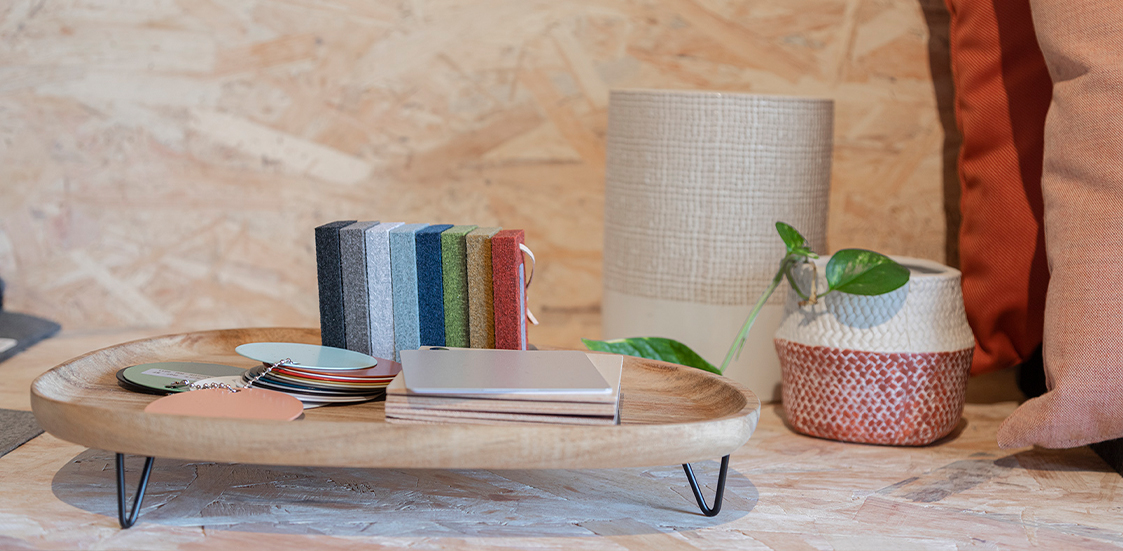
Some people prefer calming, neutral palettes, while others are drawn toward brighter, more stimulating colours.

Applying inclusive principles to specific furniture settings

Inclusive design starts with the belief that every person works differently. Keeping inclusive principles in mind while designing furniture settings helps those settings better include everyone.

Victor uses the example of a hybrid meeting. A typical meeting these days will include a few people physically together in one room while others call in remotely. ‘Someone joining your call virtually will always be in a position of inequality compared to the people who are actually in the room,’ Victor says. Inclusive design principles help us make the setting more welcoming – by adding better acoustics in the in-person room or tweaking the camera so remote workers feel that they are present at a more natural angle, for example.

Flexible settings that people can adjust as they see fit

Neurodivergent people often have two or more neurodivergent traits, and multiple traits combine in different ways. So the furniture settings that people prefer – even people with the ‘same’ neurological profile – will almost always differ.

Generally, the inclusivity principles Victor finds most useful are flexibility and agency. When we talk about inclusive design, we’re often talking about those two principles. Haworth designs flexible furniture settings that can adapt to different user needs, granting users the agency to adjust those settings as they see fit.

When people have autonomy, they can choose how to optimise their work environments – and people usually know how to shape their settings to work at their best. 


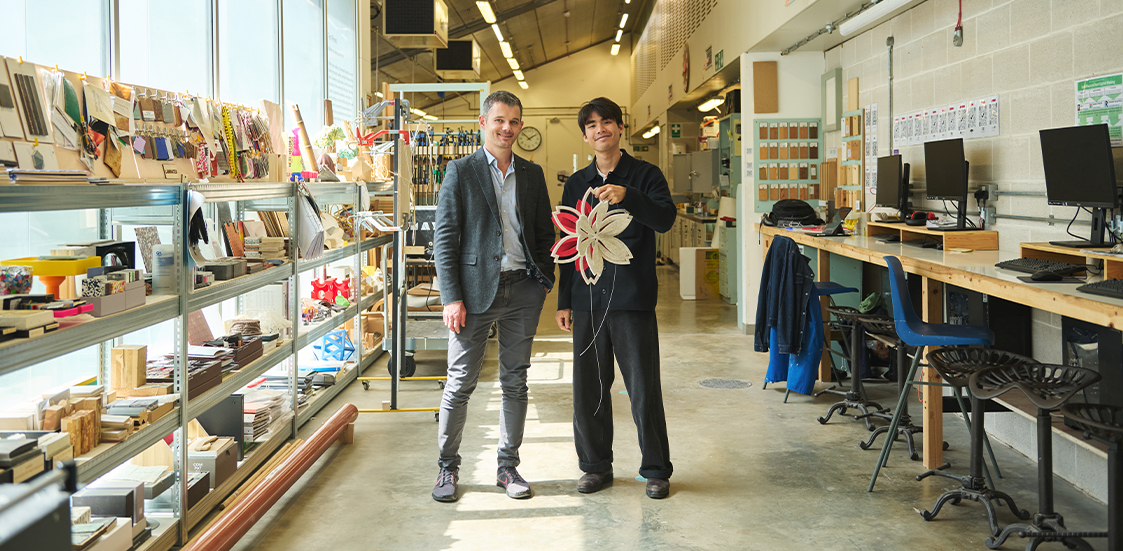
Victor Bourdariat and Punpun Phophientong preparing for Clerkenwell Design Week, 2025.

Haworth’s collaboration with Chelsea College of Arts

Victor’s inclusive design work extends to mentoring future interior designers. For two years in a row, Victor has worked with talented students from Chelsea College of Arts to investigate neurodiversity in the workplace and apply inclusive principles to product design.

The first year, Victor guided students through the full design product process, from concept to prototype. Victor advised the students as they designed and crafted products to improve the office experience for neurodivergent people.

Victor chose four finalists to present their designs during Clerkenwell Design Week, and he selected an acoustic space divider by Punpun Phophientong as the winning design. The following year, the collaboration evolved as Victor worked with Punpun to develop a floral-inspired acoustic space divider with a pattern feature that users can open or close. (Keep an eye out for more on that stunning project.)

We’ll continue to explore neurodiversity in the workplace in the coming months – subscribe to our newsletter for future updates!

Tags:

You May Also Like