19/11/2024 • 4 min read

Inclusive design: what the workplace can learn from urban planning in Vienna

Lessons from the gem of urban planning

by Nishtha Bali

Nishtha Bali is a Workplace Strategist for Haworth with a background in architecture and a passion for diversity, equity, and inclusion (DEI) in the workplace and in community. This article was originally published on LinkedIn. Find the article – and more insight from Nishtha – on her LinkedIn page.

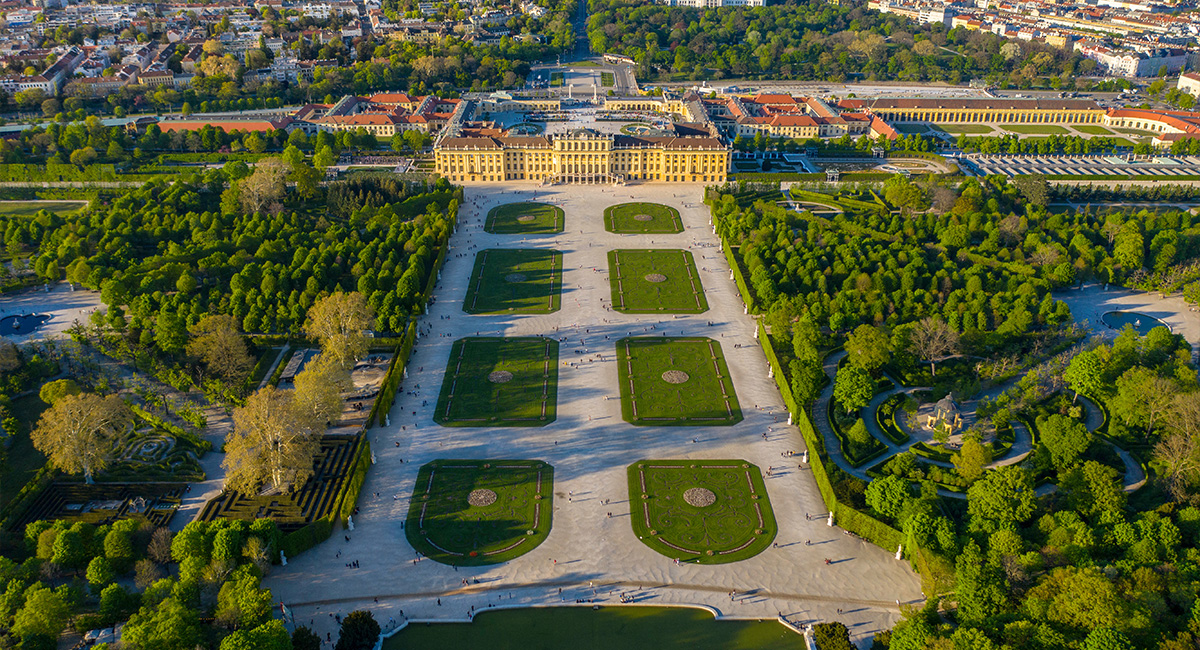
Vienna, the capital of Austria, is often hailed as a shining example of urban planning and design. With its year after year highest standard of living rating, the city offers a blueprint for how to create an inclusive and welcoming environment for all its inhabitants.

Interestingly, there are valuable lessons that companies can draw from Vienna's approach to urban planning when designing their offices. When you think about it, a workplace is not entirely dissimilar from a city; it's simply a smaller-scale community with its own gathering spaces, social hubs, collaboration areas, and individual zones.

Vienna has demonstrated an unwavering commitment to making the city more inclusive. There are various aspects of this approach that offices and companies can apply to foster a more inclusive and accommodating work environment.
1. Creating Smaller, Comfortable Spaces

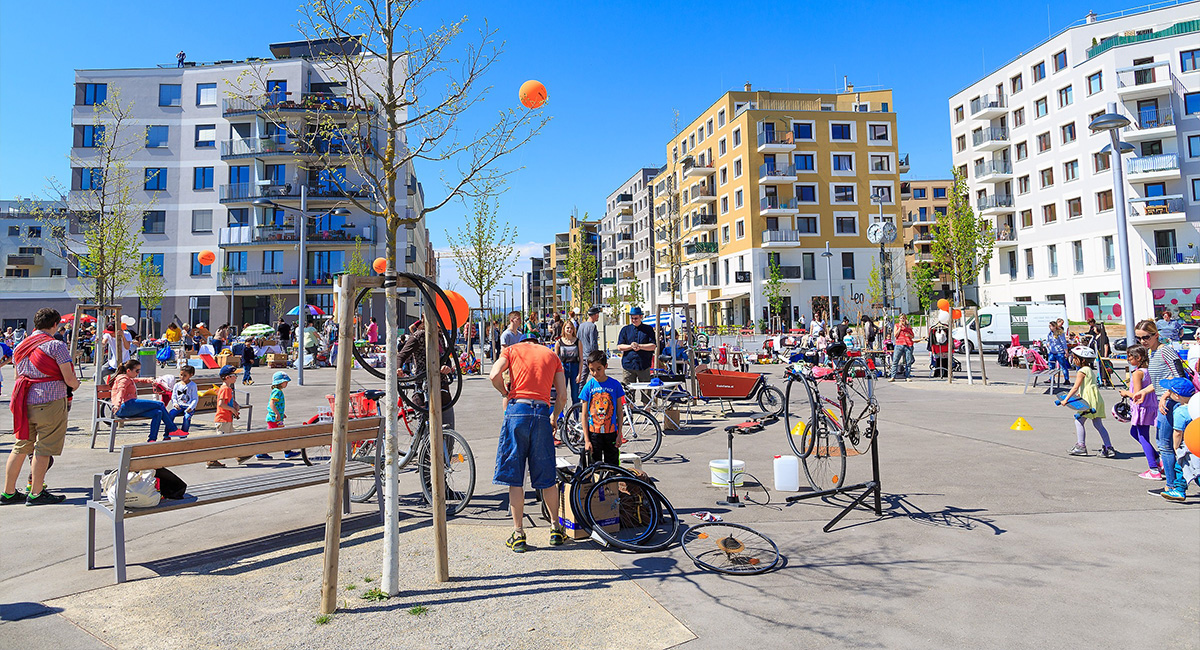
Vienna's inclusive design philosophy extends to its public spaces. Instead of vast, imposing football fields – which were only being used by boys in general, the city has broken up parks into smaller, more intimate areas which now accommodate boys and girls, especially teenage girls – a demographic that was largely missing from the city's parks previously. This approach caters to the diverse needs of its residents, making it a welcoming place for all.

Workplaces can draw a parallel by transforming large, open spaces into smaller, cozier zones – each with something that makes them unique, with features that might be right for one or the other user group. By doing so, they can cater to the needs and preferences of their employees, ensuring that everyone feels comfortable in the workspace.

2. Flexible Timings & Work-Life Balance

Vienna's public transport system is designed to accommodate people throughout the day, eliminating the concept of a rush hour. This flexibility in timing aligns with the changing nature of work, with more and more employees seeking adaptable schedules.

Companies can implement flexible working hours to ensure that employees have the freedom to work when it suits them best, thereby promoting a healthier work-life balance. This is particularly important in today's global digital workplace where most interact with people in different time zones on a daily basis.

3. Family-Friendly Neighborhoods

Vienna has invested in neighborhoods that are designed to cater to the needs of families. These areas often feature amenities like daycare facilities, making it more convenient for parents to balance work and family life.

In the world of business, companies can take a cue from this by providing childcare services within or near the workplace, making it easier for new parents to navigate their professional and personal responsibilities. In my opinion, companies that offer such solutions will definitely see an uptick in attraction and retention.


4. Accessibility & Inclusivity

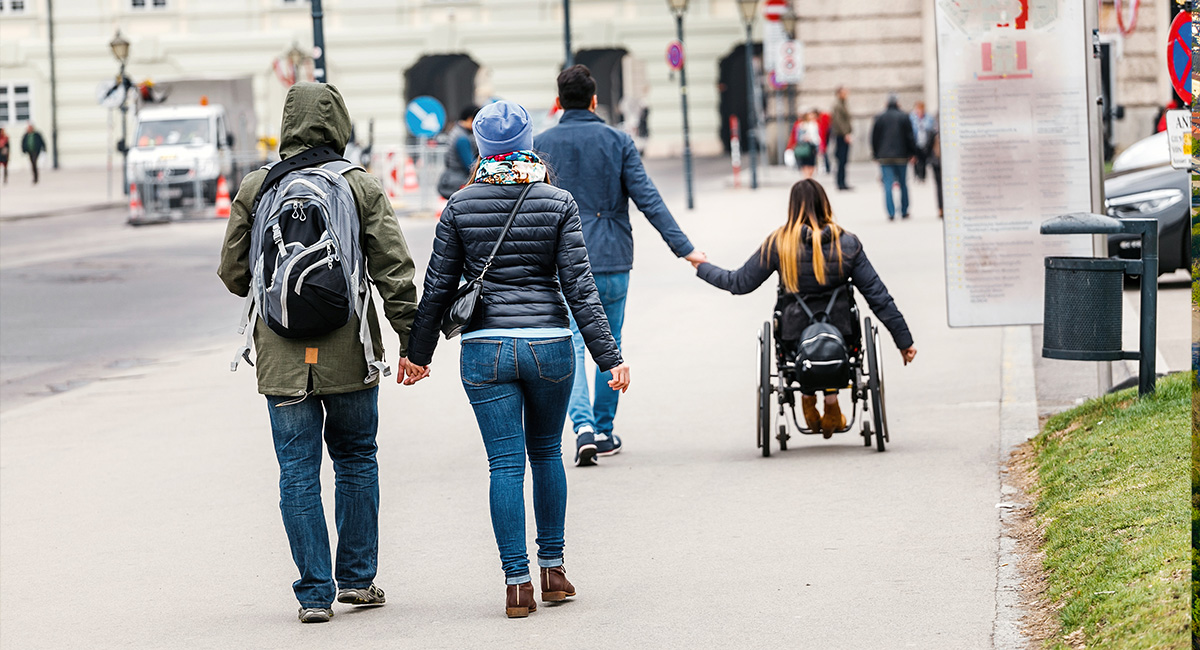
The city of Vienna has made its streets more accessible and secure for everyone. Wider pavements and strategic street lighting ensure that pedestrians, particularly women with strollers and those in wheelchairs, feel safe.

Workplaces can do their part by ensuring that their premises are accessible to individuals with disabilities. This includes accommodating those who use wheelchairs and providing appropriate facilities, such as ramps and elevators, to promote inclusivity. Providing everybody an equitable work environment not only makes everyone feel welcome and respected but also improves productivity by removing barriers.

5. Gender-Neutral Signage

Vienna's urban planning extends to the realm of social inclusivity as well. The city employs gender-neutral signage, imagery, and street names to create spaces that are welcoming for everyone, regardless of gender or background.

In the workplace, companies can adopt a similar approach, eliminating gender biases in design and communication to create a more inclusive and diverse environment.

In conclusion, Vienna's approach to urban planning and inclusive design has undoubtedly contributed to its high standard of living and overall quality of life for its residents. There are valuable lessons for workplaces and companies to draw from the example of Vienna. By creating smaller, comfortable spaces, embracing flexible working hours, supporting working parents, ensuring accessibility, and adopting inclusive design principles, offices can become more welcoming and accommodating spaces for all employees, fostering a sense of belonging and well-being within the workplace.

Just as Vienna has improved its cityscape for ALL residents, companies can work toward creating more inclusive, diverse, and accessible work environments. Even if your workplace has been designed in the most inclusive way possible from your perspective, remember that there is always room for improvement and involving different user groups in your design process can open your eyes to aspects you might have previously missed.


Find more of Nishtha’s articles here – including the Women@Work series, cowritten with Adithi Khandadai. 

Tags:

You May Also Like