Gender Inclusivity: Embracing Diversity
Gender inclusivity is a cornerstone of fostering environments that prioritize equality, respect, and dignity for individuals of all gender identities. To truly achieve this inclusivity, it must permeate every facet of our lives, ensuring that no one feels excluded or marginalized. Here are some effective ways to make the office more gender-inclusive:
- Inclusive Restrooms & Facilities: Implement gender-neutral restrooms if applicable to accommodate individuals of all gender identities. Ensure these restrooms are accessible and equipped with proper amenities.
- Lactation Rooms: Provide private lactation rooms for breastfeeding mothers, equipped with comfortable seating, electrical outlets, and refrigeration for milk storage. Ensure that these rooms are clean, accessible, and welcoming.
- Inclusive Signage: Use gender-neutral signage across the office to make everyone feel included.
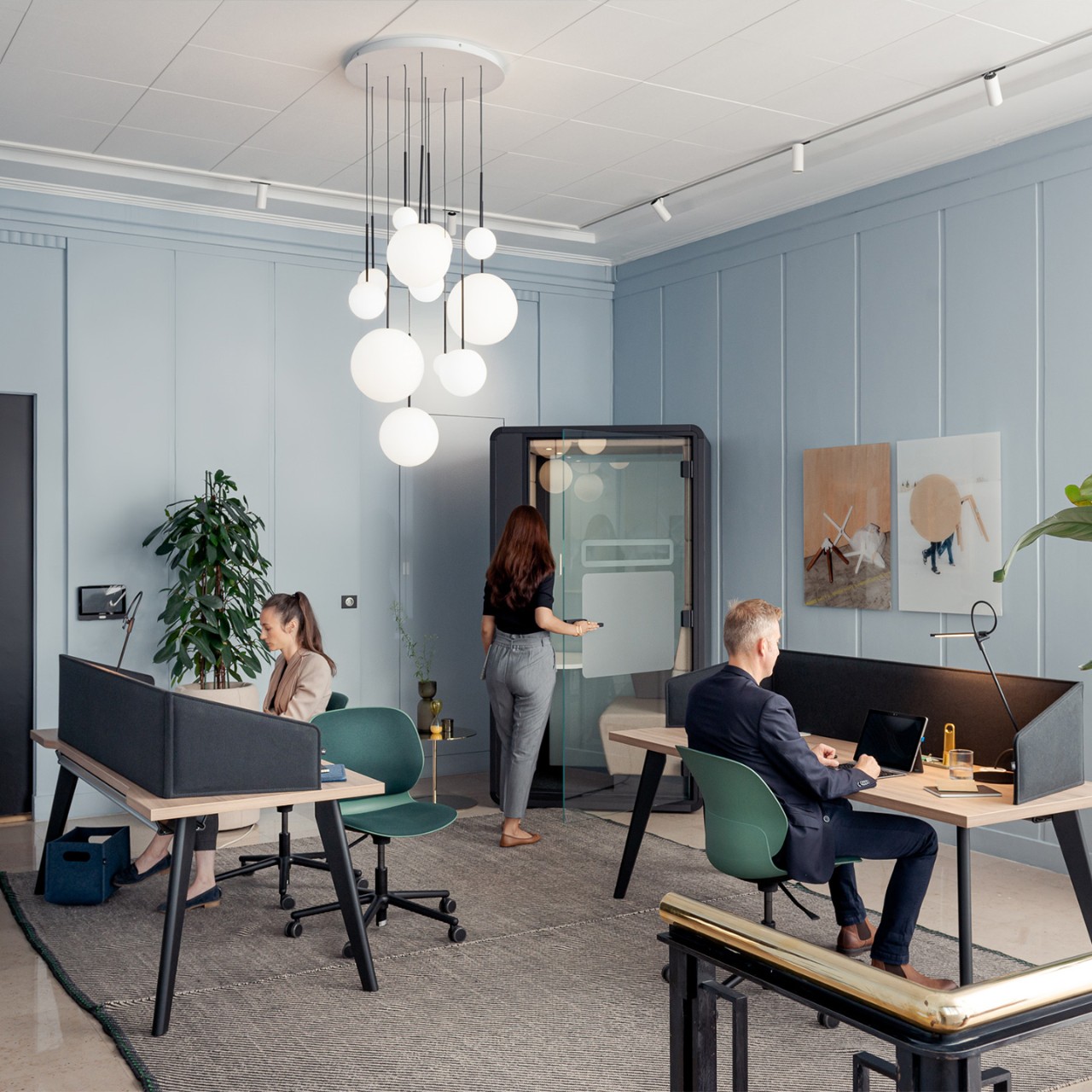
- Flexible Workspaces: Create flexible workspaces that can be easily adjusted to accommodate various work styles and preferences. Provide height-adjustable desks and ergonomic chairs to accommodate different body types and needs.
- Flexible Work Arrangements: Offer flexible work hours and remote work options to accommodate different life circumstances, such as caregiving responsibilities. Promote work-life balance to support employees in managing their personal and professional lives.
- Inclusive Decor: Choose decor that is inclusive and avoids reinforcing gender stereotypes. Display artwork and imagery that celebrates diversity and inclusivity.
- Regular Feedback Channels: Establish feedback channels where employees can express concerns or suggestions related to gender inclusivity. Act on feedback to continuously improve the workplace environment.
By implementing these strategies, organizations can foster a gender-inclusive office environment where every employee feels respected, valued, and empowered to contribute their best work.
Intersectionality: Beyond Single Identities
It's essential to remember intersectionality, which acknowledges that a person's identity can expose them to overlapping forms of discrimination and marginalization. These identities can include age and gender, among others. While designing a space remember that how each person experiences your space is different.
Accessibility vs. Universal Design vs. Inclusive Design
Understanding the distinctions among accessibility, universal design, and inclusive design is key:
Accessibility: Focuses on ensuring that environments are USABLE by people with disabilities, addressing auditory, cognitive, physical, and visual disabilities.
Universal Design: Aims to create ONE experience accessible to the greatest extent possible by all people without adaptations or specialized design.
Inclusive Design: Considers the diversity of experiences that may exclude individuals from effectively using an interface. It seeks to create a VARIETY of ways for everyone to participate and belong. (nngroup)
Having said that, the three can also be very similar. They work to lower barriers and make products usable by all people, recognize that disability happens at the point of interaction between people and their environment and learn from the way people adapt to their environment based on their abilities in a given context (Toptal).