07/05/2026 • 4 min read

Cappellini “Carnet de Voyage”: Global Design Signals from Milan Design Week

Global storytelling, tactility, and modular thinking shaping design

by Carole Crosnier

Cappellini ‘Carnet de Voyage’: A Trend Chapter for 2026

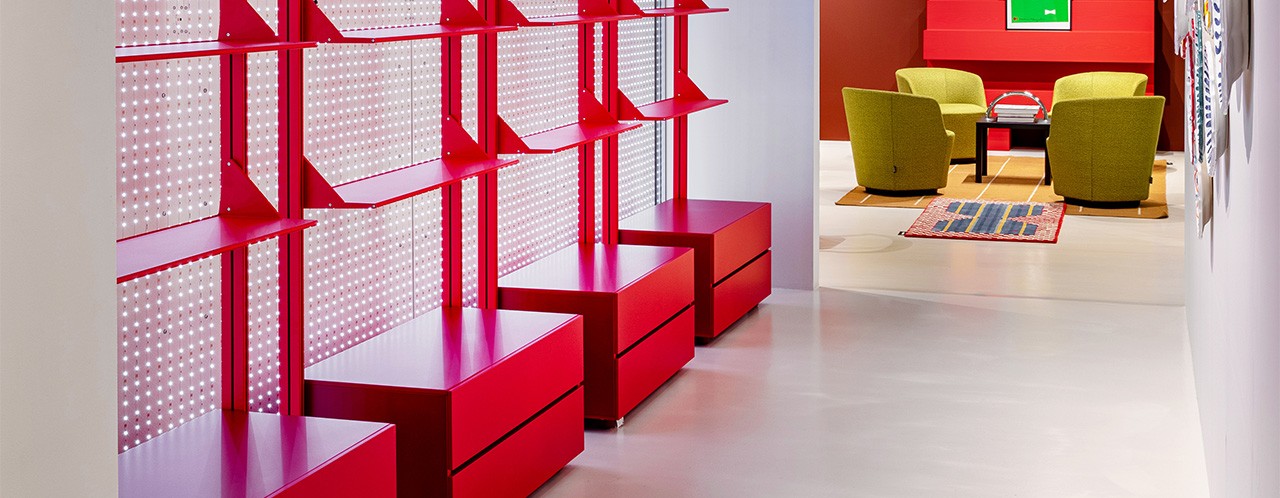
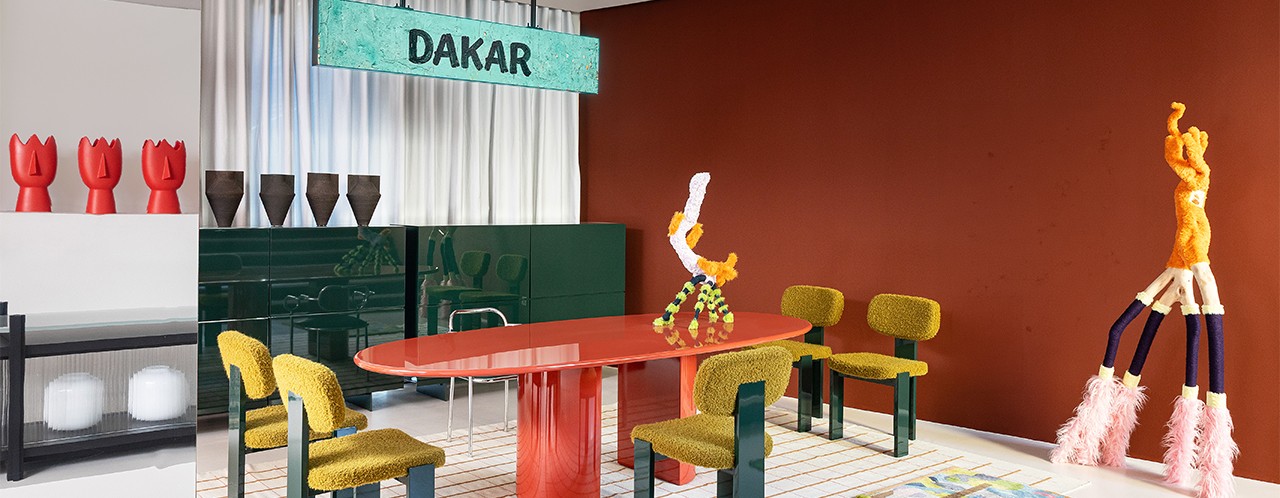
Cappellini’s Milan Design Week showroom, titled Carnet de Voyage, is organised as a geographic journey through Milan, New York, Dakar, and Tokyo. Each area expresses a distinct cultural mood through music, materials, color, and form, highlighting Cappellini’s eclectic identity. The layout reflects the brand’s role as a global talent scout, mixing iconic pieces with work by emerging designers to celebrate cross-cultural exchange, experimentation, and openness in contemporary design.

Carnet de Voyage captures an idea that is shaping contemporary design across sectors: the future belongs to spaces that feel culturally awake, layered with references, rich in sensation, and flexible in how they’re used. It’s not about maximalism versus minimalism; it’s about curation with intent.
The rise of mood-zoned design

The city-by-city layout reflects a broader move toward mood-zoning: designing with emotional chapters rather than uniformity. Sound, color, and texture become tools for storytelling. For trend reporting, this matters because it reframes style as experience – something audiences can feel immediately, even before they can name it.

Global talent scouting as a brand posture

The concept explicitly positions Cappellini as a global talent scout, mixing iconic pieces with emerging designers. In trend terms, this is a blueprint for relevance: heritage provides authority, while new voices deliver surprise and forward momentum. For brands and specifiers, curated eclecticism becomes a competitive advantage because it mirrors how culture actually moves.

The sensory turn: tactility, gloss, and the return of touch

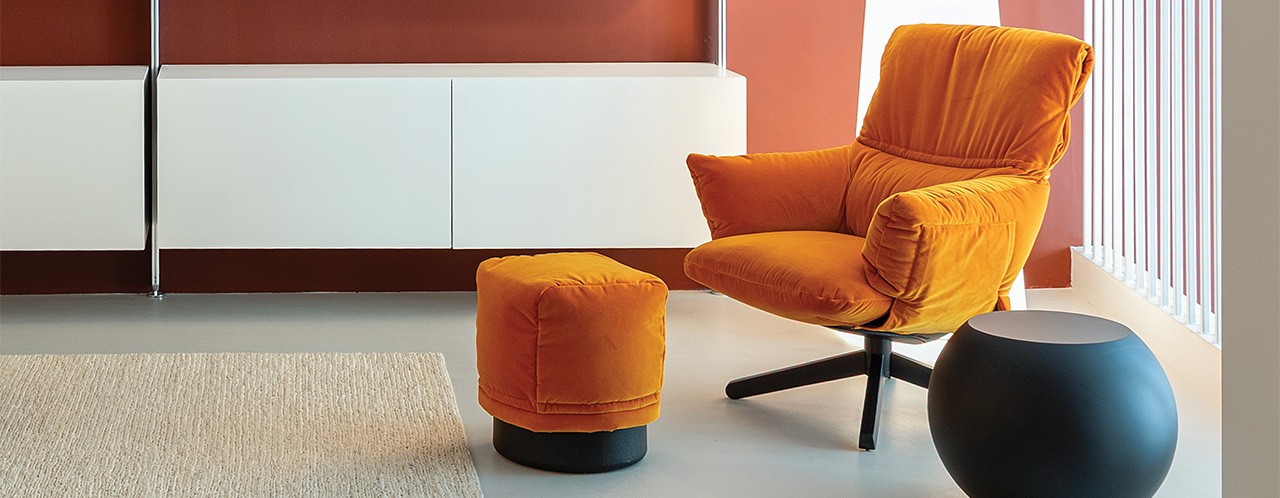
Across categories, the signal is clear: surfaces are designed to be experienced as much as seen. Cement-like haptics, glossy lacquer moments, and material upgrades (like marble tops) all point to a renewed appetite for tactility. In 2026, ‘premium’ is increasingly defined by how an object feels at first contact.

Boundaryless typologies: indoor–outdoor as everyday logic

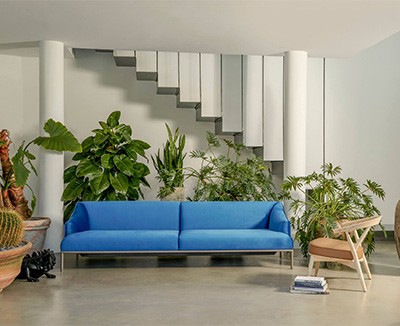
Design that travels between inside and outside is no longer niche. It reflects the normalisation of threshold living – terraces treated like rooms, lobbies like living spaces, offices like hospitality. For project teams, this multiplies use-cases and simplifies procurement: fewer objects, more contexts.

Storage and shelving as architectural gestures

Storage returns as sculpture. Cabinets become narrative anchors, while shelving becomes a system for zoning, display, and identity. The key trend is functional architecture: objects that define space, not just furnish it.

Contract comfort, clarified

The convergence of contract and residential continues, but the emphasis shifts toward clarity: scalable formats, specification-friendly thinking, and comfort that remains project-ready. In trend reporting terms, this is the maturation of the hospitality-influenced workplace – and the workplace-influenced home.

Layering as a method: rugs as modular composition

Layered rugs extend modular thinking into soft finishes. Base + patterned overlay creates an editable interior – one that can evolve with seasons, events, or brand campaigns. Add to this the social narrative of cooperative production, and you see a complete 2026 value story: aesthetics, flexibility, and meaning.

The new modern eclectic

Carnet de Voyage ultimately champions a new modern eclectic: pieces that can coexist across eras and origins, unified by curatorial confidence. It offers an optimistic thesis: openness – cultural, visual, and material – can be a design discipline, not a lack of direction.

Explore Cappellini

The brand is known for instantly recognisable designs where quality and craftsmanship lead the way – from each distinctive design profile to how every piece is made.

Tags:

You May Also Like