13/01/2026 • 6 min read

6 Global Shifts Shaping Our Moods in Texture and Color

Trendworthy material themes to watch

by Haworth, Inc.

In today’s dynamic design landscape, surface materials are more than aesthetic choices. They tell stories. They reflect our experiences and emotions, shaped by technological disruptions, global events, climate instability, and our mental and physical needs. These influences inspire and inform the design decisions we make every day.

The following 6 collections showcase surface materials whose colors, textures, and tones reflect these cultural and emotional shifts.

1. Resilience

This color theme presents a culturally emotive yet quietly powerful narrative that embraces introspection, emotional strength, and personal authenticity. It translates into spaces that feel protective and empowering, featuring contemporary glamour, luxurious influences, and oversized, ultra-comfortable forms that invite rest and reflection.

A palette of fresh purple hues such as lilac, lavender, blush, and Pantone’s Damson is anchored by neutral purples and pinks and evokes serenity and hope. Tactile materials and layered textures encourage slower, more intentional engagement with space. This is resilience reimagined: not loud, but deeply felt. It’s an aesthetic rooted in meaning, comfort, and enduring elegance.


2. Ash and Embers

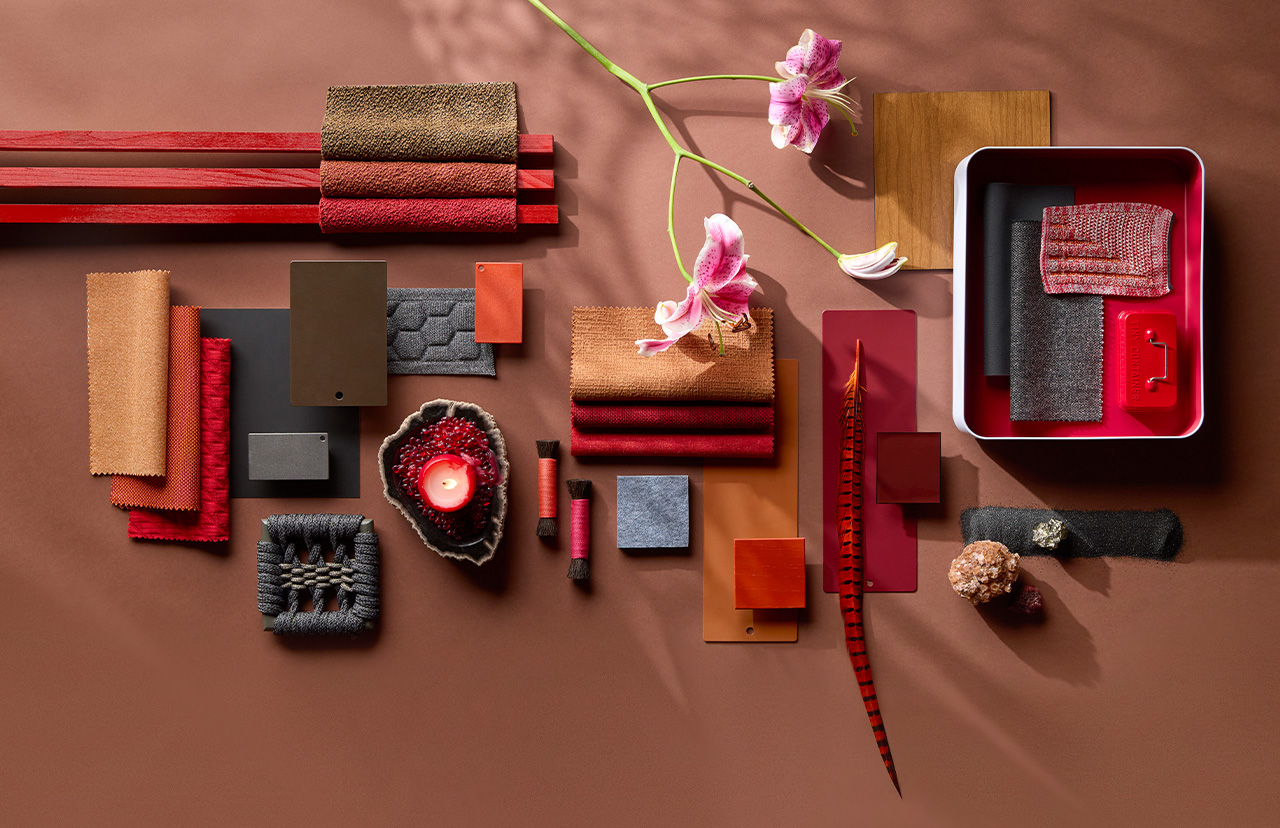
This bold macro trend captures the emotional intensity of a world shaped by crisis, conflict, and transformation. Destruction sparks creativity and activism. Surface materials reflect this urgency through vivid contrasts, neon accents, and raw, tactile finishes that provoke and engage the senses.

Inspired by wildfires, volcanic eruptions, and social unrest, the aesthetic blends glassy, bulbous forms with blistered, velvety textures to create a sensory experience that’s both alluring and unsettling. A palette of charcoal, burnt orange, fiery yellow, smoke, and Pantone’s Poppy Red evokes heat and resilience. Vista-inspired surfaces, sound, light, and movement elevate the theme into immersive, emotionally charged spaces. Ash and Embers evokes a visceral response that is intense, expressive, and unapologetically bold.


3. Golden

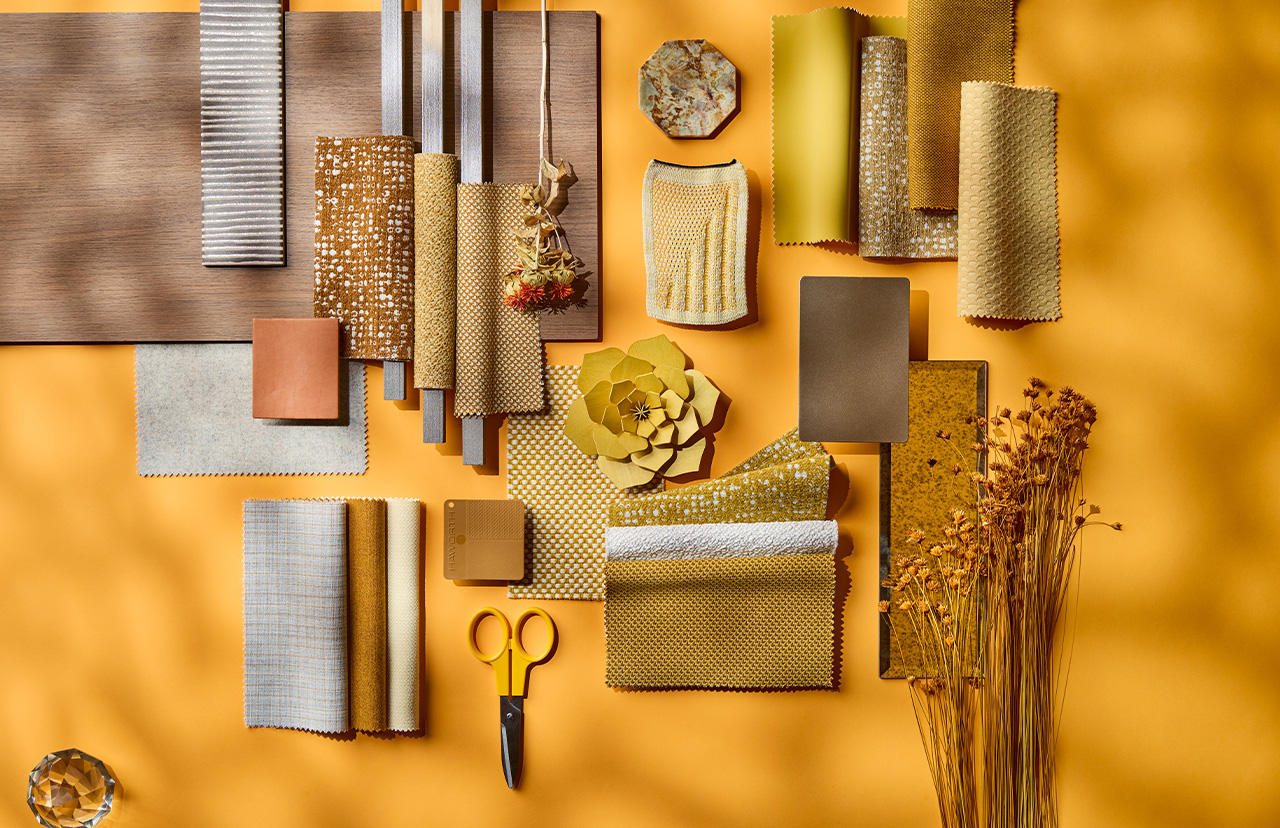
The Golden trend radiates warmth, optimism, and emotional grounding. It offers a design response to collective stress and uncertainty. By inviting recovery through thoughtful spaces, it promotes emotional well-being. The concept draws inspiration from nature’s luminous moments, such as sunlight on the skin, golden autumn leaves, and the glow of sunrise. It also reflects principles of neuroaesthetics and aligns with our circadian rhythm to support uplifting and restorative environments.

Interiors embrace warm lighting, natural sunlight, and reflective materials like bronze and metallic finishes. These might be paired with tactile elements which feature organic patterns inspired by lunar phases. The color palette includes gold, buttery yellow, ochre, mustard, soft caramel, and amber, offering visual depth and emotional resonance. Golden is more than a hue, it represents a design philosophy rooted in joy, nature, and the healing power of light.

Color temperature and light spectrum are critical in designing spaces that support mental health.

Dr. Mariana Figueiro

Professor and Director of Light and Health Research, Mount Sinai Icahn School of Medicine


4. Phygital Future

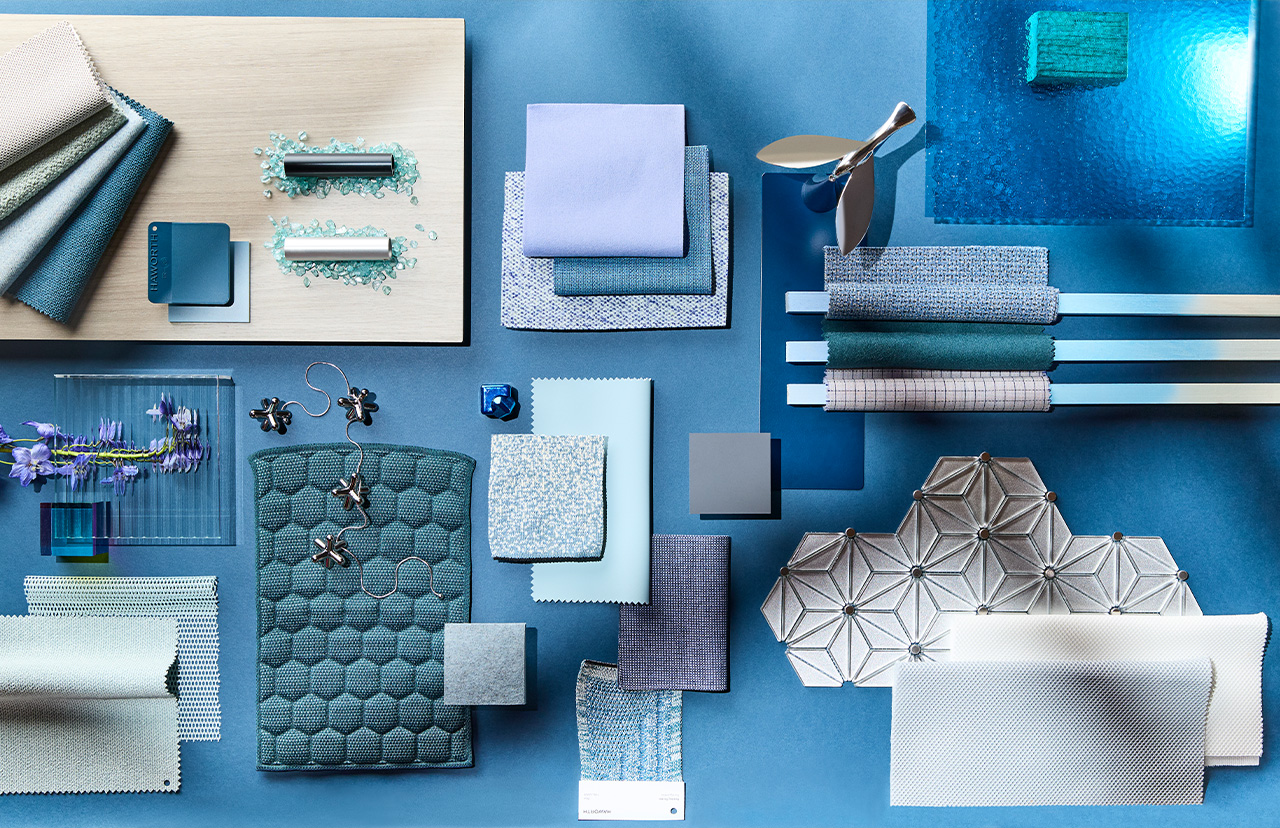
In contrast to the rebellion against AI, this trend embraces its optimism and opportunity. As comfort with emerging technologies grows, designers reflect this shift through futuristic expressions, sensory-rich aesthetics, and innovative textures.

By blending biophilic inspiration with phygital features, designers create adaptive environments that engage the 5 main senses. Velvet and powdery sheer fabrics, anodized, metallic, and mirror finishes, chrome, and glass evoke a clean, high-tech feel. Vibrational patterns, fluid forms, and airbrush gradients add movement and depth. The color palette includes ice blue, transformative teal, ocean blue, silver, and chrome. These hues enhance the ethereal, immersive quality of the space. This trend celebrates AI’s creative potential while maintaining emotional resonance through tactile, reflective, and customizable design.


5. Upcycled Pop

This theme fuses sustainable textiles with expressive, eclectic design. Recycled, handmade, and plant-based materials transform into vibrant, tactile surfaces. Techniques such as 3D printing with biomaterials, crushing, melting, and weaving result in unexpected textural combinations that celebrate craftsmanship and zero-waste innovation.

The color palette is intentionally bold and rousing, featuring flashy citric hues, provocative reds and pinks, and saturated pastels, layered to create maximalist effects. These pops of color, often mixed and reused, counterbalance the eco-conscious foundation with a jarring energy that delights and disrupts. Upcycled Pop is sustainability activated, where surface materials become a canvas for cultural expression, creativity, and joyful rebellion.


6. Humble Nature

This trend reflects a growing desire to retreat from digital overwhelm and reconnect with the grounding beauty of nature. As overconsumption faces scrutiny and AI anxieties rise, designers turn to nature for wellness and inspiration.

Surface materials embrace this shift with a balance of minimalism and maximalism, favoring organic, raw, and soft textures like rattan, woven wool, linen, and comforting textiles. Warm wood elements and a calming palette of neutral hues, including cream, linen, beige, as well as muddy and olive greens create restorative, emotionally connected spaces. This movement celebrates imperfection, simplicity, and the joy found in real-life moments.

Start Your 2026 Reading Journey With Us

Subscribe to receive our latest articles, insights, and updates as they’re published this year—carefully written to inform, inspire, and spark new ideas.

New articles. Fresh perspectives. Delivered to your inbox.

Tags:

You May Also Like