03/02/2026 • 6 min read

Education spaces: the cross-pollination of community

5 insights into design for learning spaces with Charlotte Pearce

by Alex Przybyla

Education is simply the soul of a society as it passes from one generation to another.

Gilbert K. Chesterton

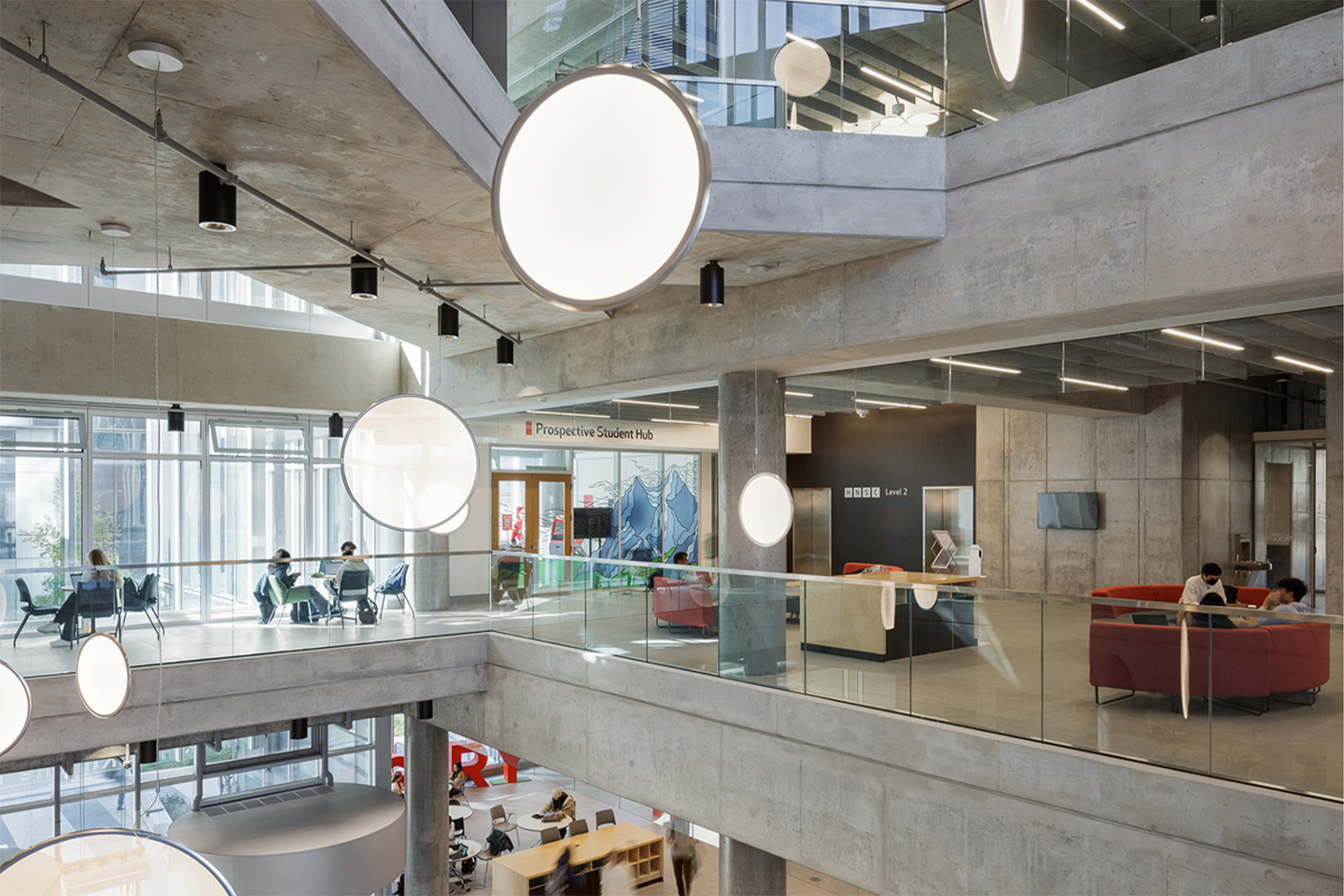
English author G.K. Chesterton contemplates how a society’s soul is driven by the power of learning, from one generation to the next. Is there any space where this is more palpable than on a campus?

At school or university, something in us always seems to swell — new ideas, new people, new hopes. Those seasons of learning reshape us, and whether we remember our campuses with nostalgia or not, one thing stays true: the spaces where we learn shape how we learn.

When designed with intention, learning environments can ignite a desire to share knowledge and connect with the community around us. And while today’s global shifts bring real design challenges, they also open the door to creating healthier, more inspiring, and more beautiful spaces that support the way we grow.

To learn more, I chatted with Charlotte Pearce who heads up the Haworth Learning Portfolio across Australia and New Zealand.

Here are five insights from our conversation about Haworth and its advisory in learning spaces.


1. Hybrid learning is forcing campuses to rethink their physical spaces

Charlotte sees a grand rethinking taking place across the educational world, as COVID’s global disruption accelerated the shift from analogue to digital and prompted universities everywhere—not just in Australia—to reimagine lecture theatres, libraries, and other core spaces.

This shift is also giving rise to new hybrids, like digital studios where staff can record content. Ideally, teaching still happens in person, she says, but course delivery now needs a healthier balance of online and face‑to‑face.

Hybrid learning also reminds us that people learn differently. Some students prefer flexible online recordings; others thrive in collaborative, in‑person environments—especially in design fields.

To support this range of learning styles and evolving class models, campuses are turning to flexible, multipurpose spaces that adapt to changing needs. Budget pressures reinforce this approach: with fewer resources, every space must work harder.

2. Learning spaces are looking to expand inclusive design

Universities are increasingly focused on creating spaces that feel safe and welcoming. “This comes down to safe spaces,” Charlotte says. Designing for a sense of belonging is becoming essential, and engaging different subcommunities helps make campus life more enriching for everyone.

Attention is also shifting to neurodiverse learners. “Looking at inclusive spaces and how neurodiversity comes into play, Haworth’s research is deeply rooted in sensory regulation and management,” Charlotte explains. The Haworth Learning team works across global groups— “whether it’s the Ideation team’s research into trends and inclusive design or the Operations team’s ability to set up iterative pilot spaces… with multiple stakeholder groups.”

These collaborative approaches shaped one of Charlotte’s favourite projects: a Disability Inclusion Centre for Excellence at a national Australian institution. “Haworth’s research into inclusive design sparked a concept, an overlay for the project; it all fell in perfect timing,” she says. With support from the wider Haworth team, research translated into a space that meaningfully improves the student experience.

3. Universities are pushing for pragmatic, sustainable solutions

Sustainability remains a priority in Australian learning spaces. “We’ve seen an uptake in sustainability and ESG targets,” Charlotte says. “So, looking at net zero carbon emissions but also a strong focus in circular design. And Haworth – slight plug! – has a beautiful circular design initiative with our Zody chairs. We're working with two or three universities now to refurbish and reinstate those chairs.”

Haworth’s Second Life program extends the lifespan of thousands of Zody chairs worldwide. “As Second Life chairs – in perfect condition, loved again and revived – you're not getting rid of waste into landfill,” Charlotte says. “And those chairs are also reinstated with a 12-year warranty. So why wouldn't you, really?”

Read more about a Second Life project in Australia, Yarra Valley Waters.

4. Adaptable learning spaces increase student agency

There are no universal rules in space design, but giving people more control over their environment generally helps them thrive. Charlotte hopes to see more “learning spaces that enable students to take control.” With adaptable furniture, students can shape and reshape their surroundings to support studying, collaboration, and completing assignments.

She also wants campuses “really pushing for students to take agency of their own learning, whether that is stepping out to collaborate with their peers or reaching out to work with industry,” she says. “And then ideally we want industry to take hold of the talent coming up through the generations… to be involved with universities on a real level of collaboration, through workshops and projects.”

5. The future of education: the cross-pollination of community

Learning spaces – like workplaces – are shifting. In times of change, we have a chance to imagine and craft a better world: a world where more people are included, a world that is healthier, a world that helps us all flourish.

Charlotte sees strong potential in campuses: “a major aspect of my envisioning and advice encapsulates future campuses as the cross-pollination of community,” she says. Rather than serving only as places to study or gain skills, she imagines campuses that also include community services and daycares, “spaces that span the power of generations,” as she notes.

She envisions “a destination: a space where students are encouraged to come and want to come – to be able to share wisdom with aged care communities or pass on skills to upcoming school students.”

One current project already reflects this direction. “A good example of this is Western Sydney University in Parramatta, New South Wales,” Charlotte says. “The local high school students come to learn and study in the collaborative spaces along with the university students… they’re getting a taste of what is to come and understanding the expectations of spaces of both learning and professional work.”
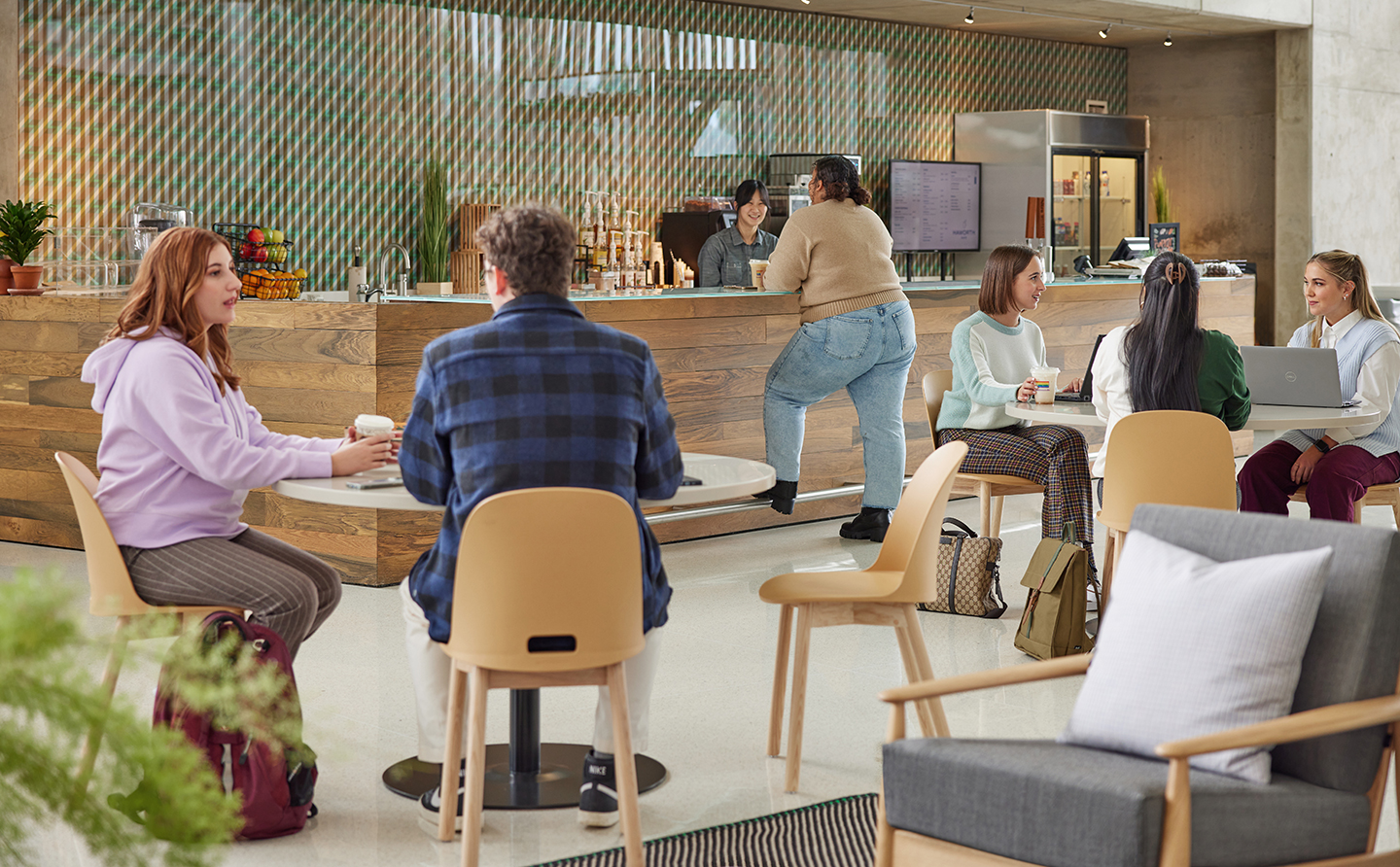
We craft spaces that bring out people’s best work – whether that work is for classes or careers. Charlotte sees Haworth’s global collaboration, research focus, and iterative pilot approach as major assets for our partners in the education world.

If you’d like to learn more about Haworth Learning, feel free to reach out to Charlotte.Pearce@Haworth.com

Tags:

You May Also Like