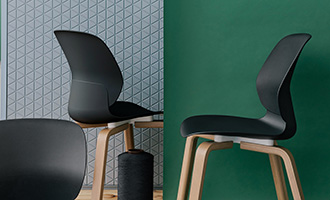
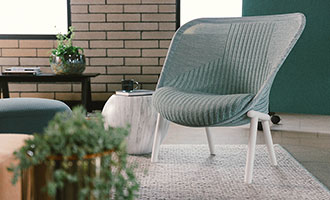
Example of Upcycled Marine Plastic
Over the past 60 years, an estimated 12.7 million tons of plastic waste have been dumped into our oceans, negatively impacting marine ecosystems and more than 800 species of life. Through the SEAQUAL Initiative, marine debris is collected and transformed into Upcycled Marine Plastic pellets, which are extruded into SEAQUAL Yarn. The fibers are then woven by textile partners to produce Oceanic, a beautiful upcycled-plastic polyester upholstery fabric.
Circular Design in Practice
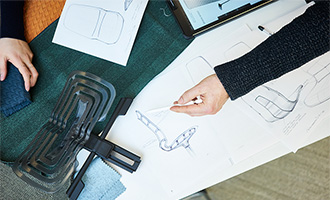
Implementing circular design principles requires a holistic approach that encompasses the entire lifecycle of a product. This includes:
- Design for Disassembly: Products should be designed so that they can be easily taken apart at the end of their life. This allows for the recovery and reuse of materials, reducing waste and conserving resources.
- Modular Design: Creating products with interchangeable parts can extend their lifespan. When a component wears out or becomes outdated, it can be replaced without discarding the entire product.
- Material Innovation: Exploring new materials that are sustainable and recyclable is essential. For example, plant-based biodegradable materials and recycled plastics can reduce the environmental impact of products.
- Consumer Engagement: Educating consumers about the benefits of circular design and encouraging them to participate in recycling and reuse programs can drive demand for sustainable products.
Circular design represents a transformative approach to product development—emphasizing sustainability and the responsible use of resources. By adopting circular design principles, the interiors industry can significantly reduce its environmental impact and contribute to a more sustainable future. This shift requires a collective effort from designers, manufacturers, and consumers to rethink the lifecycle of products and embrace a circular economy.