09/22/2026 • 3 min read
5 Ways Design Helps Solve Today's Workplace Challenges
How ancillary spaces support people and performance
As organizations continue to rethink the purpose of the office, they are looking for ways to better accommodate changing work patterns, reinforce culture, and create experiences that make time spent together more valuable.
From lounges and cafés to meeting areas, retreats, and outdoor patios, ancillary spaces play an important role in addressing today's workplace needs. They provide support for various workstyles, places for restoration and connection, and enhance the experience for people at work.
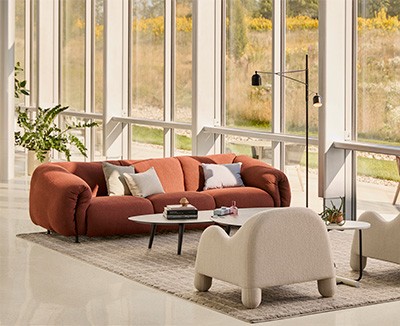
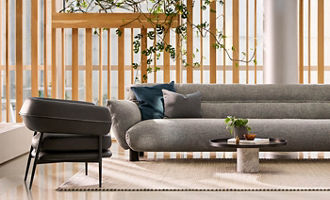
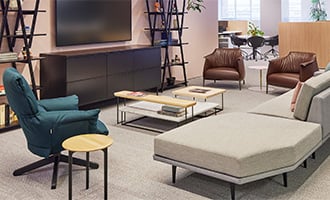
Ancillary spaces, from lounges and cafés to meeting areas, retreats, and outdoor spaces, help support the ways people work.
Here are ways ancillary spaces help create more effective and engaging workplace environments:
1. Promote Meaningful Connections
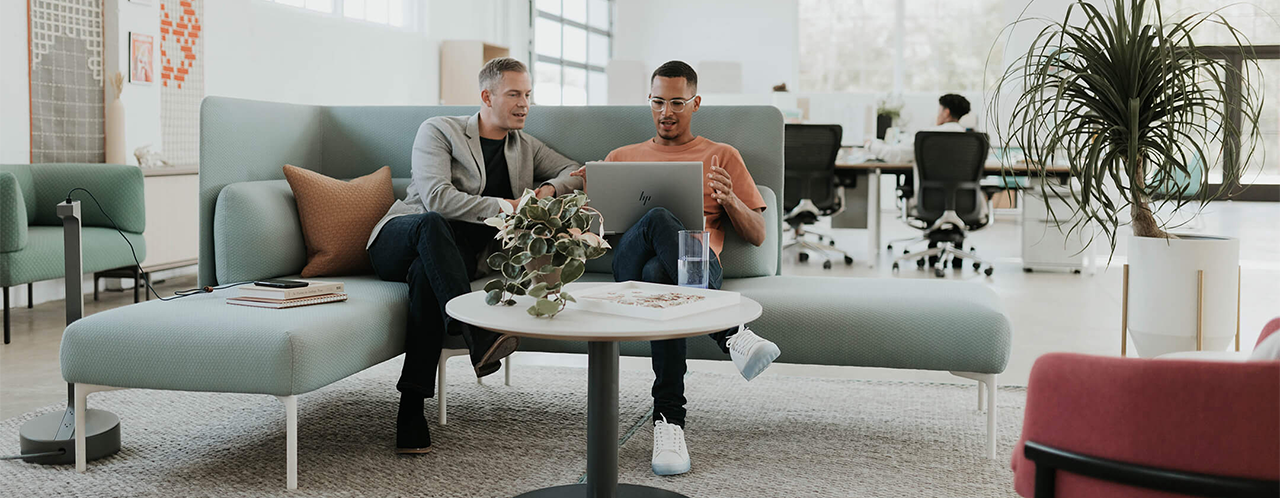
For many people, one of the greatest benefits of being in the office is interaction with colleagues. Yet many environments remain focused on individual tasks rather than relationship-building. Without places to gather, people can miss the informal conversations that build trust, encourage mentorship, and create a sense of belonging.
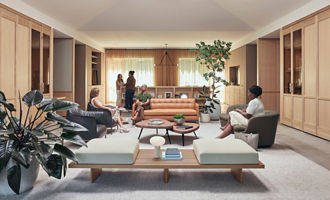
Ancillary spaces create opportunities for both planned and spontaneous interaction. Settings where people can gather comfortably help relationships develop naturally, support the exchange of ideas, and strengthen connections across teams.
2. Support Various Ways of Working
Work rarely happens in one mode all day. People move through a variety of activities, including focused work, collaboration, learning, and restoration. A uniform environment can make it difficult to find the right setting as activities and needs change.
A variety of ancillary spaces gives people greater choice. A lounge supports informal conversation, while a café can accommodate individual work between meals. Training areas, meeting spaces, and quiet retreats offer additional options, helping people match the setting to the task at hand.
3. Strengthen Workplace Culture
Culture is reflected in the shared behaviors, beliefs, expectations, and norms that guide how people work together. It is shaped through everyday experiences and interactions. Organizations that invest only in workstations may miss opportunities to create spaces that support those experiences.
Ancillary spaces between assigned work areas often become places where people gather, share experiences, and participate in the everyday moments that help reinforce organizational culture.
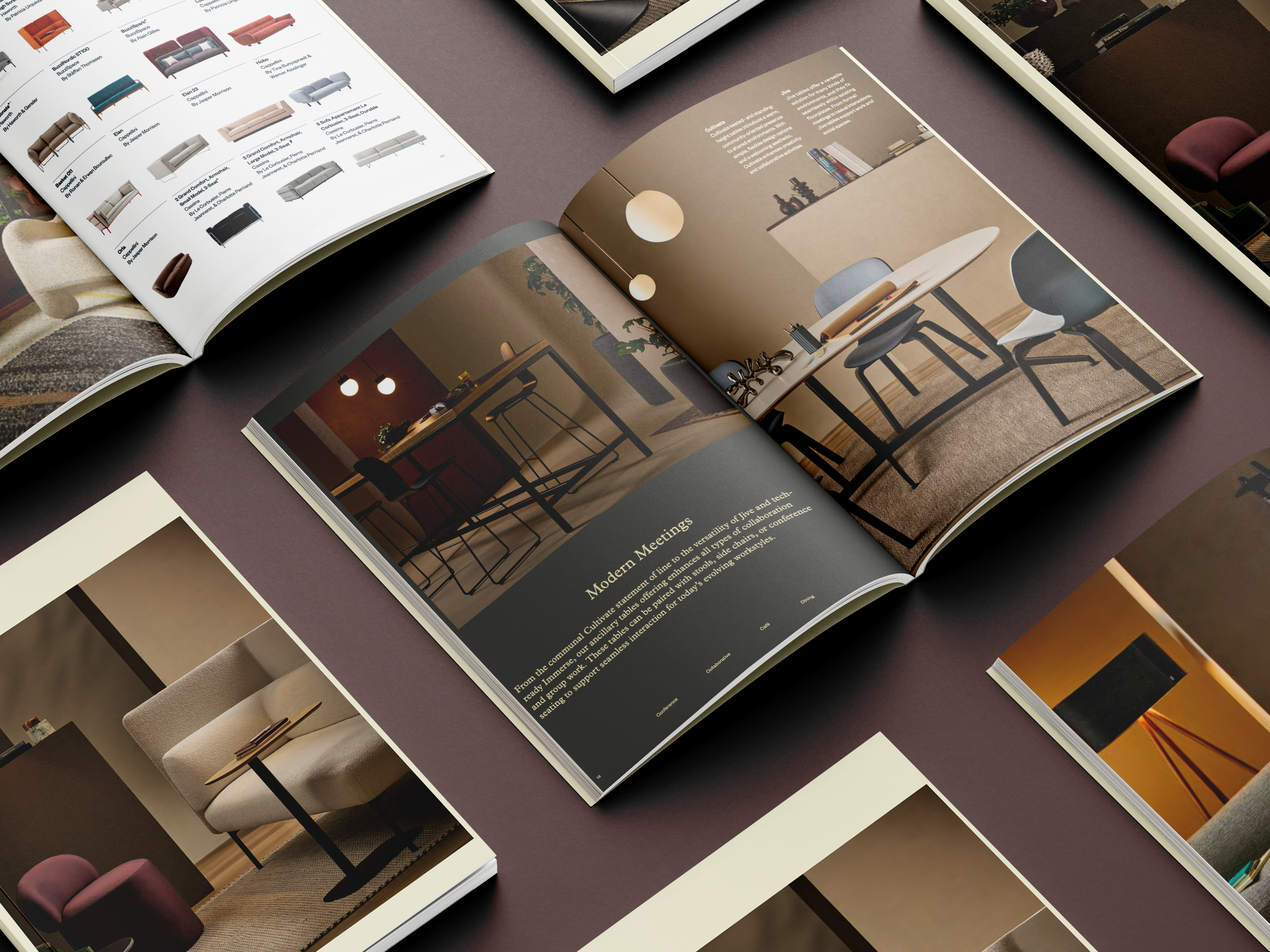
Download Our Ancillary Catalog Today
Discover Haworth's latest inspirational stories, brand additions, and products by world renowned designers. Explore our curated portfolio of ancillary products—everything you need for adaptable, inspiring spaces that support the ways people work.
4. Enhance Employee Well-Being
Employee well-being has become a strategic priority. Organizations increasingly recognize that people need environments that support comfort, restoration, and balance throughout the workday.
In Haworth's 2026 Global Employee Experience Survey, participants reported spending 22% of their workday on restorative activities, including meals, socializing, and breaks. The finding highlights the importance of providing spaces that support the full range of activities people engage in throughout the day and suggests that restorative activities are not interruptions to work but a meaningful part of how people navigate the workday.
Retreat spaces, outdoor environments, lounge areas, and other restorative settings can help support well-being by providing places to recharge and reset.
5. Create Places People Want to Be
As hybrid work continues to evolve, the office must offer something people cannot get from working elsewhere. A purposeful office experience gives people reasons to come together, while also supporting the flexibility and choice they expect.
Well-designed ancillary spaces can help transform the office from a place people have to be into a destination where they want to be. Together, these settings support connection, collaboration, creativity, restoration, and a stronger overall workplace experience.
A Holistic Approach to the Workplace
Ancillary spaces are most effective when they are considered as part of a broader design approach. When planned together, these spaces can help create settings where culture and connection are part of the workplace experience.
Elevate the Workplace Experience
Explore ideas, inspiration, and ancillary furniture solutions that support connection, collaboration, and restoration.