08/04/2026 • 4 min read
Creating Spaces Where People Want to Be
The role of ancillary environments in shaping experience
People seek spaces for a variety of work activities throughout the day. This could mean finding a quiet spot for focus, a comfortable place to connect with a colleague over coffee, a collaborative area for sharing ideas, or a space to pause and recharge. When the workplace provides a variety of settings for these types of activities, people can accomplish what they came to do.
As organizations across industries rethink how people experience the workplace, they’re leaning into the value of shared spaces to foster well-being and belonging, while offering choice. Once areas people simply passed through, ancillary spaces are now becoming thoughtfully designed destinations that support people in a variety of work activities, including focus, collaboration, and restoration.
Why Destination Spaces Matter
Expectations for the built environment continue to evolve. Research reinforces the importance of creating opportunities for connection. According to Haworth's 2026 Global Employee Experience Report, 92% of employees say informal social interactions are important, highlighting the need for spaces that encourage gathering, conversation, and relationship-building.
Organizations increasingly invest in destination spaces that support engagement, culture, and well-being. Cafés, lounges, libraries, outdoor settings, and social hubs often become some of the most valued areas because they offer choice. People can easily shift between activities, making these spaces adaptable to changing needs throughout the day.
The value extends beyond function alone. The most successful destination spaces often share several characteristics: clear purpose, intuitive navigation, varied seating options, environmental comfort, and flexibility to support multiple activities. Together, these elements help people understand how a space can be used while accommodating a wider range of individual preferences and workstyles.

People-First Spaces Create Meaningful Experiences
The most successful ancillary environments begin with people. People-first design considers how individuals think, feel, move, and interact within a space. Rather than focusing solely on function, it prioritizes the human experience and recognizes that environments play a role in how people engage with their surroundings.
Designing for people starts with understanding what they need to accomplish. Some activities require quiet spaces that support concentration, while others benefit from settings designed for discussion, collaboration, or idea sharing. When environments align with those needs, they are more likely to feel welcoming, intuitive, and purposeful.
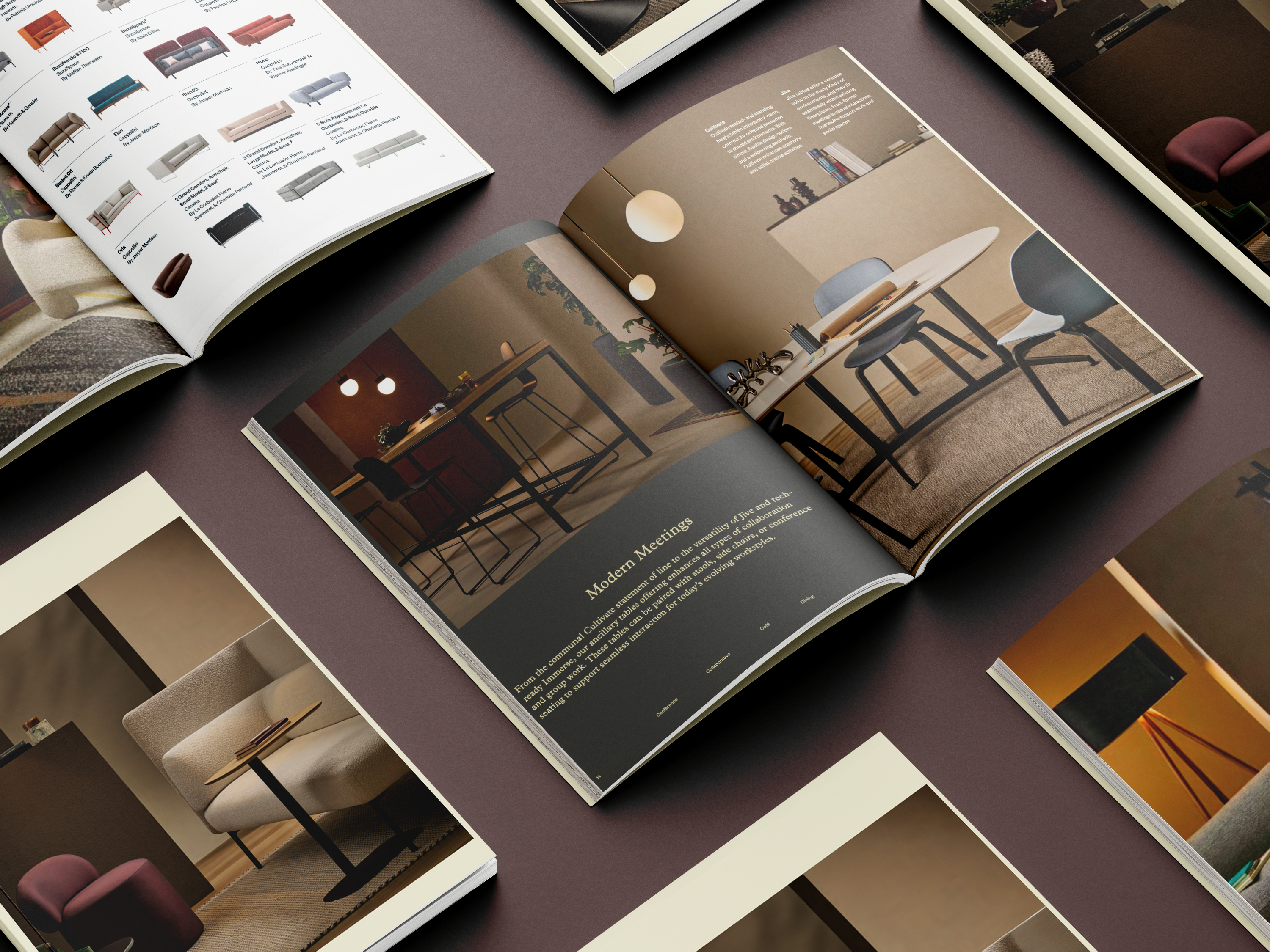
Download Our Ancillary Catalog Today
Discover Haworth's latest inspirational stories, brand additions, and products by world renowned designers. Explore our curated portfolio of ancillary products—everything you need for adaptable, inspiring spaces that support the ways people work.
Variety and Choice Support Diverse Needs
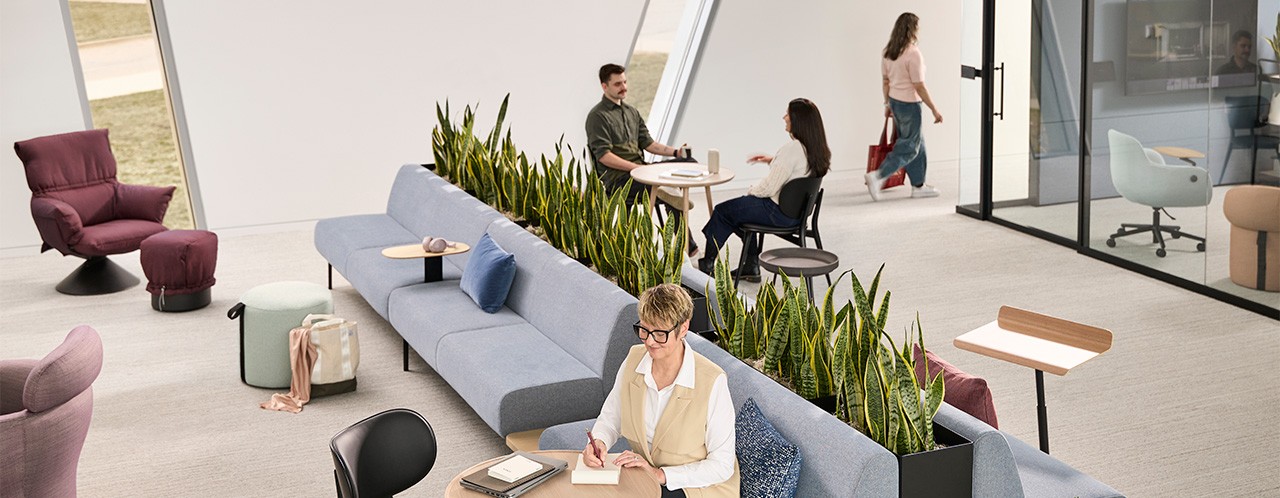
Choice is an important component of inclusion. When individuals can select the setting that best aligns with their needs, they gain a greater sense of autonomy, comfort, and control over their experience. Adaptable spaces further enhance this flexibility, helping organizations respond to evolving expectations over time.
Social hubs, cafés, and lounges encourage interaction, while retreat spaces and libraries offer opportunities for focus and restoration. Together, these settings create a balanced environment that supports a range of needs and experiences throughout the day.
Design Shapes How Spaces Are Experienced
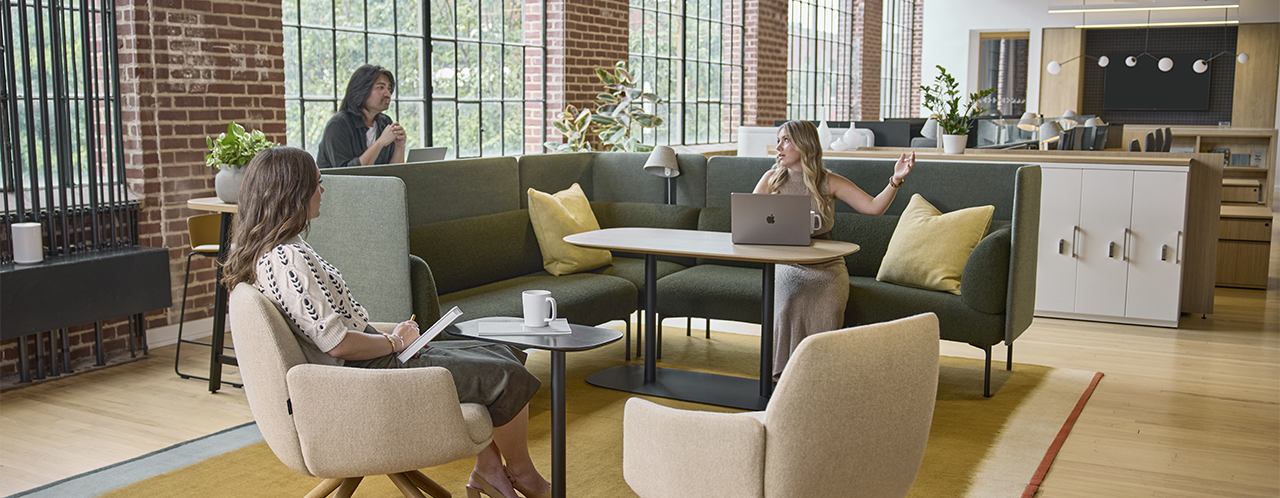
Design influences how people perceive and use a space. Layout, furnishings, materials, lighting, and acoustics all contribute to the overall experience. These elements help communicate how spaces are intended to be used, making them easier for people to navigate and choose the setting that best supports their needs.
Thoughtfully selected ancillary products help define spaces by supporting different activities, while offering comfort and flexibility. A high-back lounge provides visual and acoustic privacy for focused work or private conversations, while communal tables in a café setting encourage interaction and informal gathering.
Design also gives organizations an opportunity to express identity and reinforce culture. When design, performance, and craftsmanship work together, spaces become both functional and memorable.
The Spaces People Remember
The environments that leave a lasting impression often bring together people, purpose, and design in meaningful ways.
The most memorable destination spaces result from thoughtful planning and a clear understanding of human needs. Creating these spaces requires more than individual products. It requires a holistic approach that combines people, purpose, choice, and design to define an environment as a whole.
Creating Spaces People Choose
As expectations continue to evolve, ancillary spaces will play an increasingly important role in shaping how people feel in a setting. When thoughtfully designed, these destinations support meaningful experiences while helping organizations create environments that reflect their purpose and values.
Ultimately, the best spaces are defined not by what they contain, but by how people experience them.
Discover More About Ancillary Environments
Discover how Haworth Ancillary solutions help shape destination environments people choose to use.