09/01/2026 • 3 min read
6 Trends Redefining Ancillary Spaces
Designing environments for focus, connection, and restoration
As organizations rethink the spaces they create, they are placing greater emphasis on environments that support a broader range of needs and experiences. Ancillary environments offer variety and choice. Helping people move between tasks, find the right level of stimulation, and connect with others throughout the day.
These 6 trends are influencing how ancillary spaces are designed:
1. Experience-Driven Environments
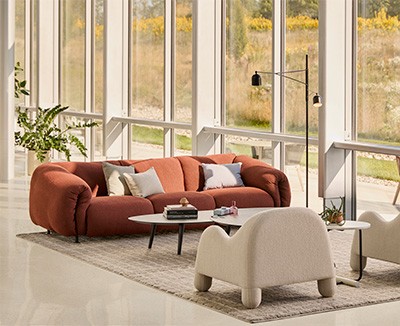
Hospitality continues to influence expectations for the spaces people use every day. Organizations are creating environments that prioritize experience, comfort, and community alongside productivity. Lounge-style settings, café-inspired gathering spaces, welcoming lobbies, and thoughtfully designed amenities support both social interaction and individual work. By applying hospitality principles to ancillary environments, organizations can create inviting experiences that encourage connection, engagement, and a sense of belonging.
2. Connection Hubs & Community Spaces
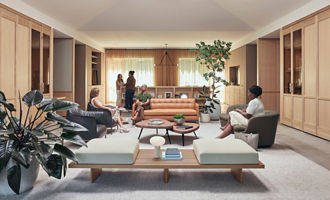
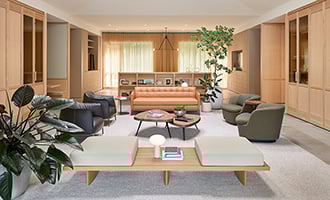
Creating opportunities for meaningful interaction has become an increasingly important part of space design. Offering a variety of settings that support different activities and ways of working, connection hubs bring people together for collaboration, informal conversations, knowledge sharing, and relationship building. Often taking the form of cafés, social lounges, community spaces, and other shared destinations located where people naturally intersect, connection hubs create opportunities for both planned and spontaneous interaction throughout the day.
Research from Haworth's 2026 Global Employee Experience Report found that 92% of respondents say informal social interactions are important, and 78% say face-to-face meetings are more effective for productivity. These findings highlight the value of creating settings that encourage people to connect, exchange ideas, and build stronger relationships. Connection hubs help foster those interactions and strengthen community.
3. Activity-Based Work
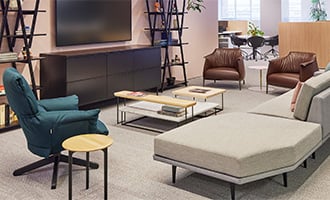
Activity-based work is redefining the office as a network of flexible destinations rather than a collection of assigned workstations. Ancillary spaces support this approach with adaptable environments designed for focus, collaboration, and restoration. From quiet areas for concentrated work to collaborative spaces for teamwork and places to pause and recharge, these settings give people more choice in how and where they work. Increasingly, organizations are embracing choice-based, human-centered environments that prioritize flexibility, support a variety of workstyles, and move beyond one-size-fits-all solutions.
4. Neuroinclusive Design
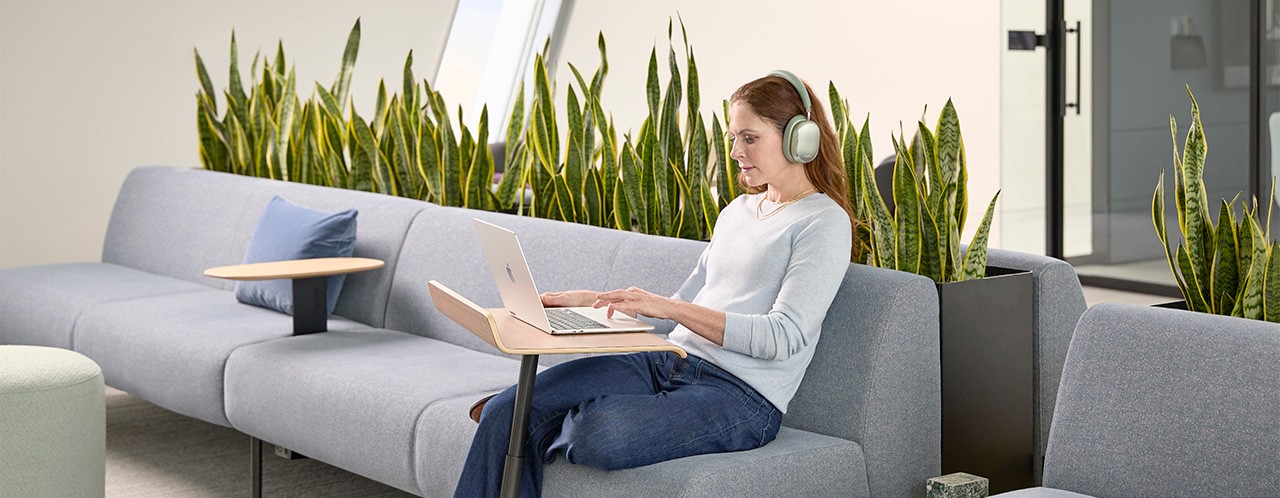
Growing awareness of neurodiversity is shifting the conversation from individual accommodations to more inclusive design. Rather than relying only on isolated quiet rooms, organizations can offer a range of sensory conditions throughout a space. Ancillary areas can provide a variety of settings, from quiet retreats and semi-enclosed spaces to more open destinations for social interaction and collaboration. Different levels of acoustic privacy, light, enclosure, movement, and social interaction give people more control over where and how they work. Clear wayfinding and intuitive layouts can further reduce cognitive demand.
5. Well-Being & Restoration
Well-being is becoming part of everyday space planning rather than a separate consideration. Restorative lounges, outdoor settings, areas for movement, and access to daylight can help people reset throughout the day. Biophilic elements such as plants, natural materials, organic forms, and views of nature can further support physical, mental, and emotional health while creating a greater connection to nature. The goal is not simply to add greenery, but to create balanced environments that support focus, restoration, and resilience.
6. Sustainability and Circularity
Sustainability continues to shape decisions about ancillary environments. Organizations are looking beyond material selection to consider how spaces and products can reduce environmental impact and support long-term resource efficiency. Sustainable materials, flexible furnishings, and environments designed for reuse and adaptability can help extend product life and reduce waste over time. Longevity has also become an important consideration, driving investment in high-quality materials, adaptable solutions, and timeless designs that remain relevant as needs evolve. By prioritizing sustainability, circularity, and longevity, organizations can support environmental goals while creating spaces that deliver lasting value.
Designing for Variety & Choice
People need a range of settings designed for different activities, preferences, and moments throughout the day. A variety of ancillary spaces help create meaningful experiences by supporting focus, collaboration, and restoration. When thoughtfully integrated into an environment, these spaces do more than accommodate daily activities. They help create places where people can connect, recharge, and do their best work.
Elevate the Workplace Experience
Explore ideas and resources for creating people-first spaces that support connection, culture, and choice.